




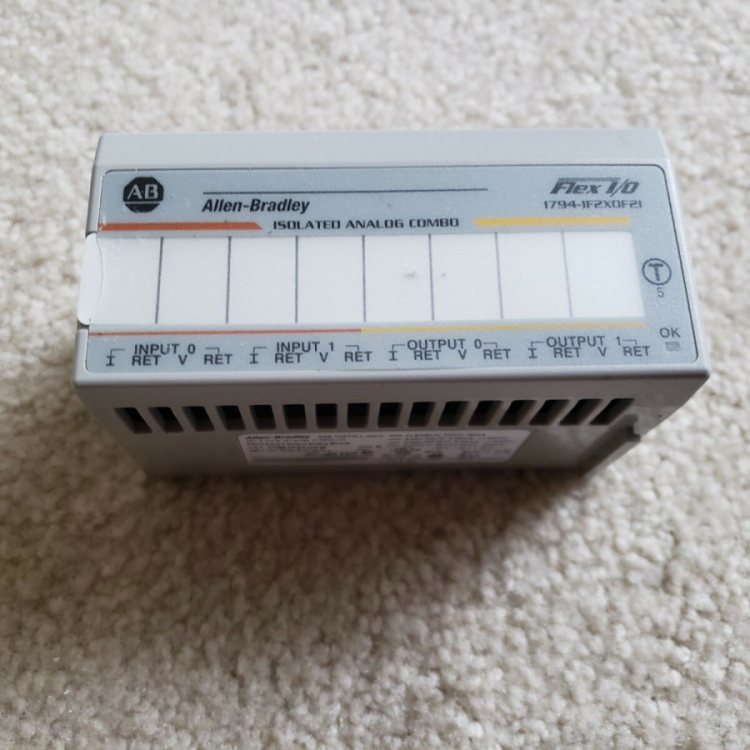

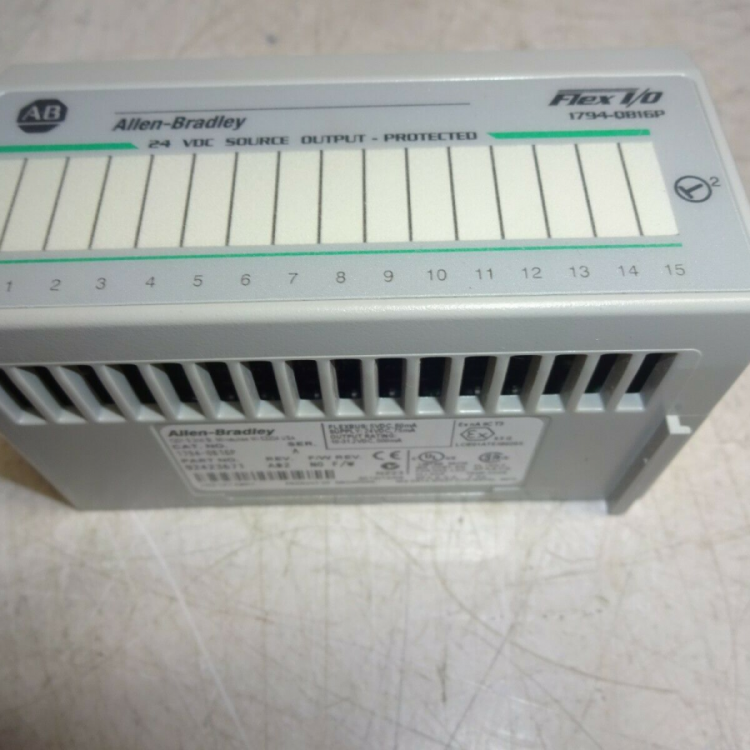
Rockwell AB1794-IE12 Input Module New Original Packaging
1794-IE12 is a typical application of industrial automation. Initially, PLCs were developed primarily to replace relay circuits and perform sequential control. Over time, PLC manufacturers gradually added functionalities such as analog calculations, PID functions, and more reliable industrial anti-interference technologies. With the increasing demand for networking, various communication interfaces were also added. Alongside the development of fieldbus technology and Ethernet, the application scope of PLCs has expanded significantly. What is a PLC? Programmable Logic Controllers (PLCs) are members of the computer family, designed and manufactured for industrial control applications. Early PLCs were known as Programmable Logic Controllers, abbreviated as PLC, and were primarily used to replace relays for logical control. In 1987, the International Electrotechnical Commission (IEC) issued the third draft of the PLC standard. The draft defines a PLC as follows: “A programmable controller is a digital operation system, specially designed for industrial environment applications. It employs programmable memory to internally store instructions for executing logical operations, sequential control, timing, counting, and arithmetic operations, and controls various types of machinery or production processes through digital and analog inputs and outputs. Programmable controllers and their related peripheral equipment should be designed to be easily integrated into an industrial system and easily expandable in functionality.”
Rockwell AB1794-IE12 Input Module New Original Package
1794-ACN15
1794-ACNR
1794-ACNR15
1794-ADN
1794-ADNK
1794-AENT
1794-AENTR
1794-IA16
1794-IA8
1794-IA8I
1794-IB10x0B6
1794-IB16
1794-IB16D
1794-IB16XT
1794-IB32
1794-IB8
1794-IC16
1794-IE12
1794-IE4X0E2
1794-IE8
1794-IE8H
1794-IF4I
1794-IF4IXT
1794-IF8IH
1794-IG16
1794-IH16
1794-IJ2
1794-IM16
1794-IM8
1794-IR8
1794-IRT8
1794-IT8
1794-IV16
1794-IV32
1794-0A16
1794-0A8
1794-0A8I
1794-OB16
1794-OB16D
1794-0B16P
1794-0B32P
1794-0B8
1794-0B8EP
1794-0C16
1794-0E12
1794-0E4
1794-0E4XT
1794-OE8H
1794-0F4I
1794-0F8IH
1794-OG16
1794-0M16
1794-0M8
1794-0V16
1794-OV16P1794-0V32
1794-OW8
1794-OW8XT
1794-PS13
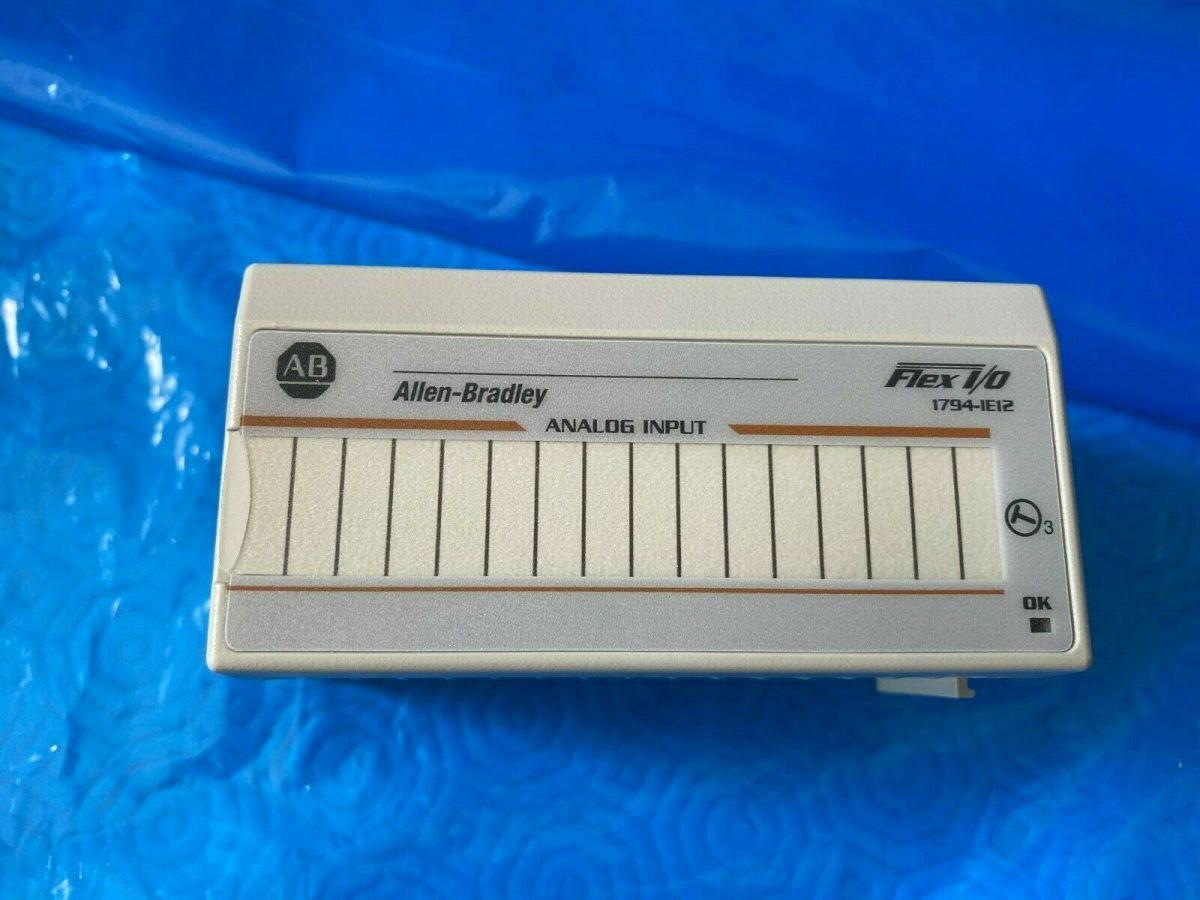 Rockwell AB1794-IE12 Input Module New Original Package
With technological advancements, the functionality of this device has far exceeded the scope of logical control, hence today it is referred to as a Programmable Logic Controller, abbreviated as PLC. To avoid confusion with the abbreviation for Personal Computer, the term PLC is used. In 1968, General Motors (GM) in the United States, to accommodate the continuous updates of car models and the changing production processes, and to achieve small batch, diverse product production, hoped for a new type of industrial controller. This controller would minimize the need for redesigning and replacing electrical control systems and wiring, thereby reducing costs and shortening cycles. The design requirements at the time were to combine the advantages of both relays and computers: relay control systems were large, had low reliability, complex wiring, were not easily changed, and were difficult to troubleshoot and fault-find, with poor adaptability to changes in production processes, but were simple to understand and inexpensive; computers were powerful, flexible (programmable), and versatile, but programming was challenging; programming using a "natural language" that was process-oriented and problem-oriented made it easy for those unfamiliar with computers to quickly learn and use it. In 1969, Digital Equipment Corporation (DEC) developed the first PLC, which was successfully tested on the automated assembly line of General Motors in the United States.
