


If water is to react with the hardener, it must be on the surface of the stone, as this allows it to penetrate the pores of the hardener. However, be aware that the reaction of the hardener with wet stone is slower compared to dry stone, as the formed solid layer is not easily stable. If there are small pores on the surface of the stone, it will increase the stone's moisture content. Neither the solvent nor the hardener can penetrate into the pores, thus not achieving the desired effect. Therefore, when taking anti-corrosion measures, attention should also be paid to temperature. Within the appropriate temperature range, allow water and the hardener to react fully to achieve the effect of protecting the stone.
Basalt mining involves a stepped progression of work levels in the open air, with each step, also known as a stage, representing a level. Steps are one of the fundamental elements of open-pit mining, forming the units for stripping and excavation operations.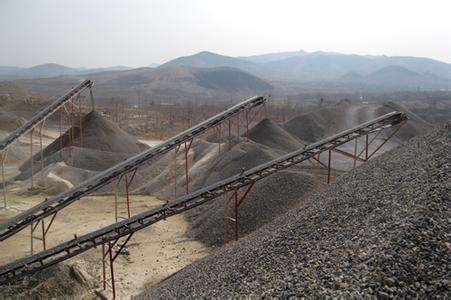
The primary safety issues during the open-pit mining of basalt include the safety of blasting operations, machinery operation, transportation, electrical use, slope stability and drainage prevention, as well as the safety of stage formation. Therefore, we must follow standardized procedures during mining to prevent accidents.
The production process of open-pit mining mainly includes drilling at the working face, followed by charging and blasting, and then transportation. Stones are transported to crushing or beneficiation sites, while rocks or soil are taken to the waste rock dump. During the open-pit mining of basalt, we typically divide the rock layers into stratified sections of a certain thickness or horizontally, and then mine layer by layer following the principle of working from the top down, maintaining a certain distance ahead during extraction.
Zhenjiang Basalt Powder - Available for retail and wholesale
