

Plastic shopping bags are a consumable item in everyday life, and we use a significant number of them daily. Due to excessive use and inadequate recycling, they contribute to severe energy and resource waste, as well as environmental pollution, making them a primary source of "white pollution." Many citizens believe that paper bags are a substitute for plastic bags. They can be made in various sizes, similar to plastic bags, and are particularly beneficial for the environment as they are recyclable and reusable.
Is using paper bags really eco-friendly? Environmentalists argue against it, stating, "The mass production of paper bags leads to deforestation, which is actually damaging the environment and not conducive to environmental protection; this is a misconception." A person from the Gansu Provincial Environmental Protection Bureau explained that the paper fibers in recyclable paper bags are short and cannot bear heavy loads. To increase the carrying capacity, the bags must be plastic-coated or plasticized, which still requires the use of plastic. Moreover, considering the scarcity of tree resources at present, if paper bags are to replace plastic bags, it would inevitably lead to large-scale deforestation, resulting in ecological damage.
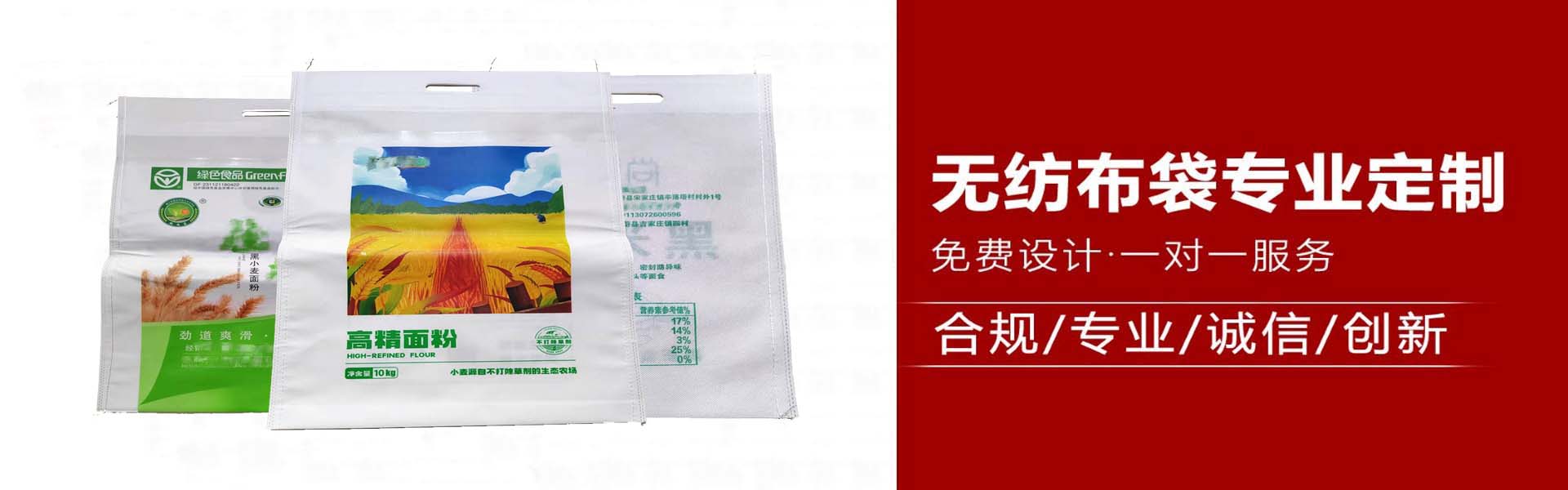
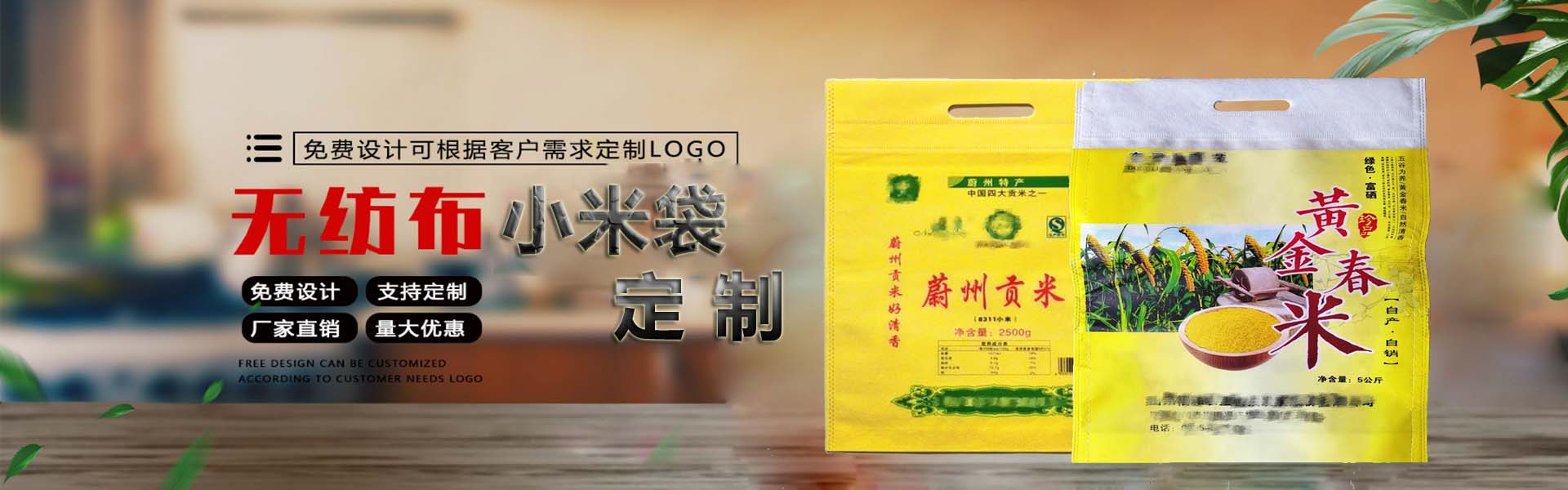
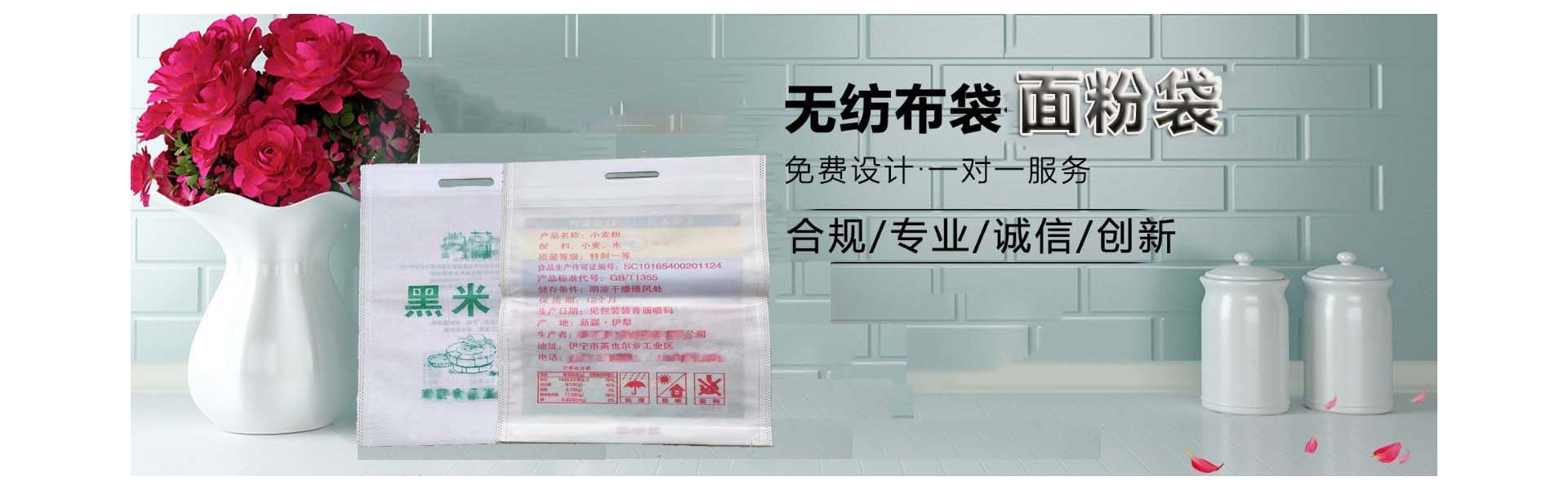
Non-woven fabric bags are sturdy and reusable, and a notable advantage is that they appeal to all ages. During interviews, most citizens preferred this type. Younger consumers are more inclined to carry stylish fabric bags while shopping. Even in non-shopping situations like handling official matters or visiting friends, these bags are appropriate. Ms. Tian, who works in an office, hopes for collapsible fabric bags that can be folded away when not in use, which would certainly be popular among working professionals. In the interviews, some older consumers had fewer requirements for the bags and were more concerned about the price of the eco-friendly shopping bags, how sturdy they were, and how many times they could be reused.


