

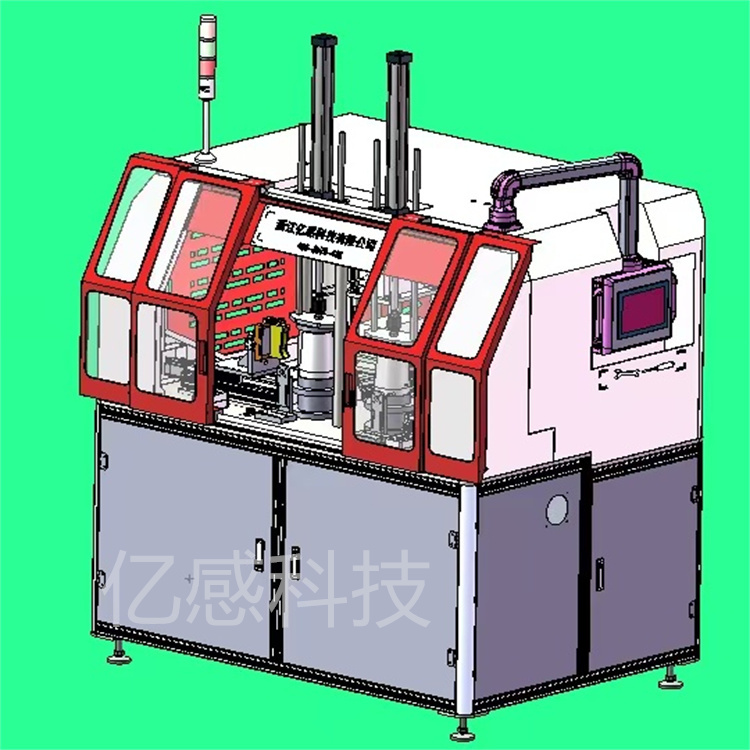
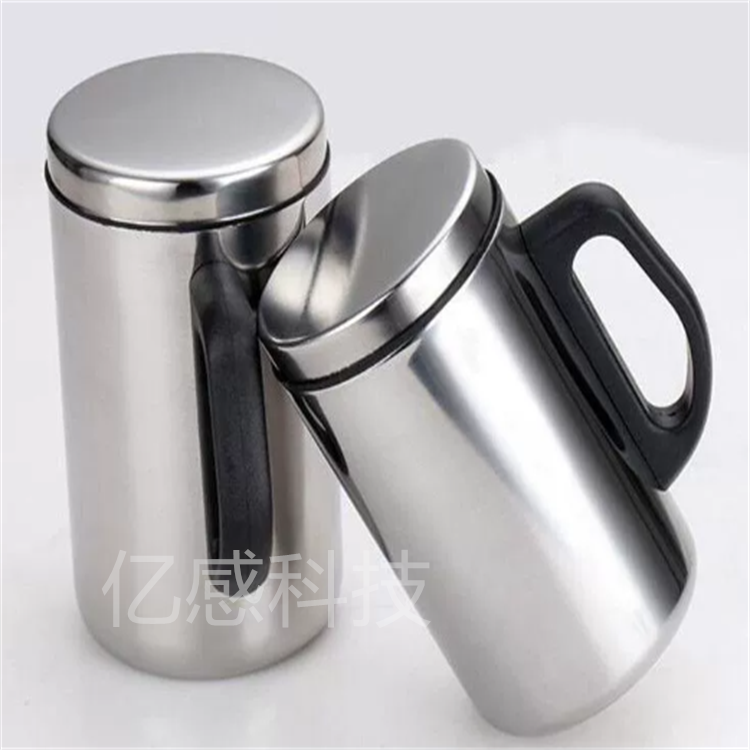
Cup Handle Hot Fusion Machining Center: An Efficient Solution for Revolutionizing Cup Production
In the cup production field, the traditional method of securing cup handles has long relied on manual operations, presenting issues such as low efficiency and inconsistency. Additionally, the use of stainless steel screws for fixation has led to multiple pain points. The advent of the cup handle hot-fusion machine has completely broken through this industry bottleneck, bringing a comprehensive revolution to cup production.
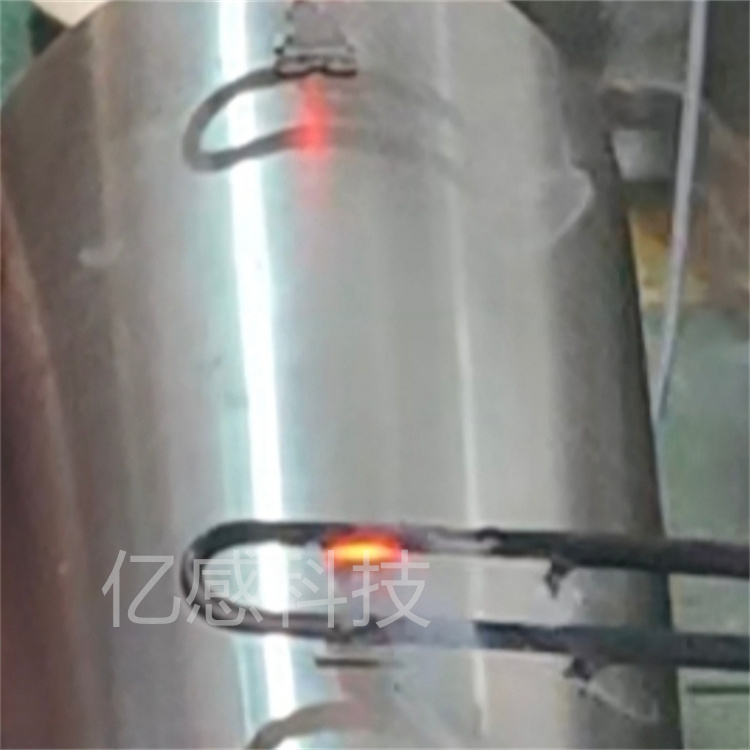
The equipment, centered around thermal fusion technology, completely replaces the cumbersome manual process of securing cup handles. During production, there's no need for manual handling of screws for individual alignment and tightening. The machine tool can automatically achieve precise positioning and high-temperature thermal fusion bonding between the cup body and handle. The entire process requires no fasteners, eliminating the issues of alignment deviation and loose bonding caused by manual operations, thereby enhancing the production efficiency of individual cups.Over 30% reduction, while significantly cutting labor and training costs, to facilitate large-scale and standardized production for businesses.
In terms of product quality and appearance, hot fusion technology demonstrates significant advantages. Traditional stainless steel screw fastening methods not only leave visible screw marks on the surface of the cups, destroying the overall aesthetic design, but also, due to the non-magnetic nature of stainless steel, the screwdriver cannot be magnetically operated. This often leads to screws slipping or not being properly installed during tightening or removal, affecting the pass rate of the products. In contrast, hot fusion machines use high-temperature molecular-level fusion technology to seamlessly connect the cup handle with the cup body. The surface is free of any screw holes or metal protrusions, presenting a smooth and flat integrated appearance that perfectly meets current consumer demands for cups.The demand for "simple aesthetics" significantly enhances product market competitiveness.
Additionally, the equipment boasts strong adaptability, capable of accommodating various cup shapes (such as thermal cups, coffee cups, sports water bottles, etc.) and different handle materials (such as food-grade materials).PP, silicone, ceramics, etc., can flexibly adjust melting temperature, pressure, and time parameters to meet various production needs. Equipped with an intelligent control system, the equipment monitors all data in real-time during the melting process, ensuring that the fusion strength of each product meets industry safety standards. This not only resolves the potential loosening risks of traditional screw fastening but also provides a solid guarantee for the safety and stability of cup production.
