Product Name
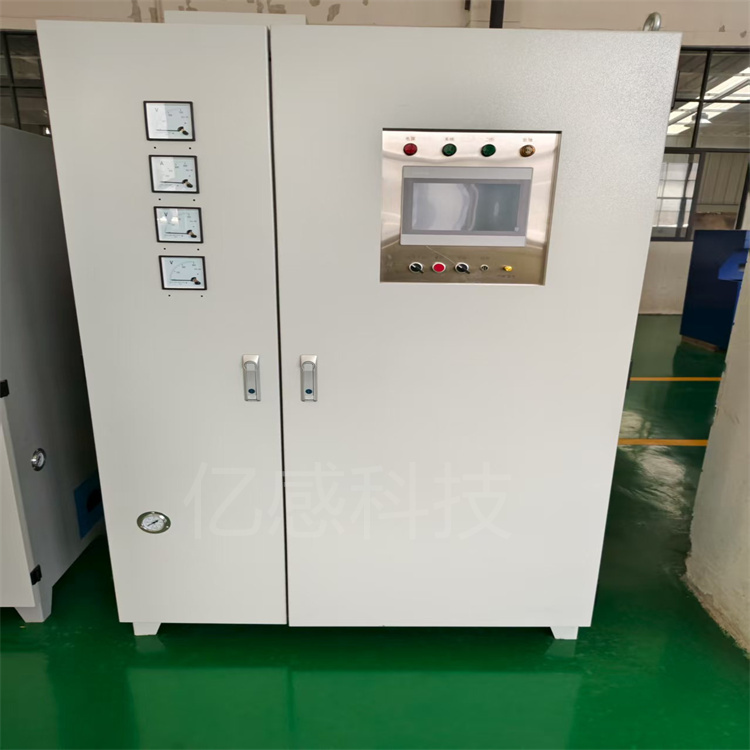
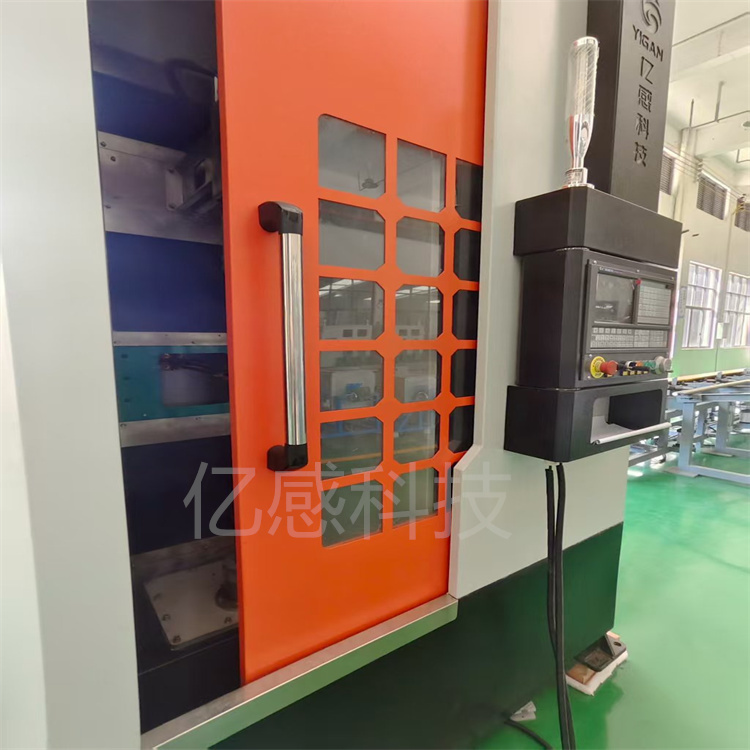
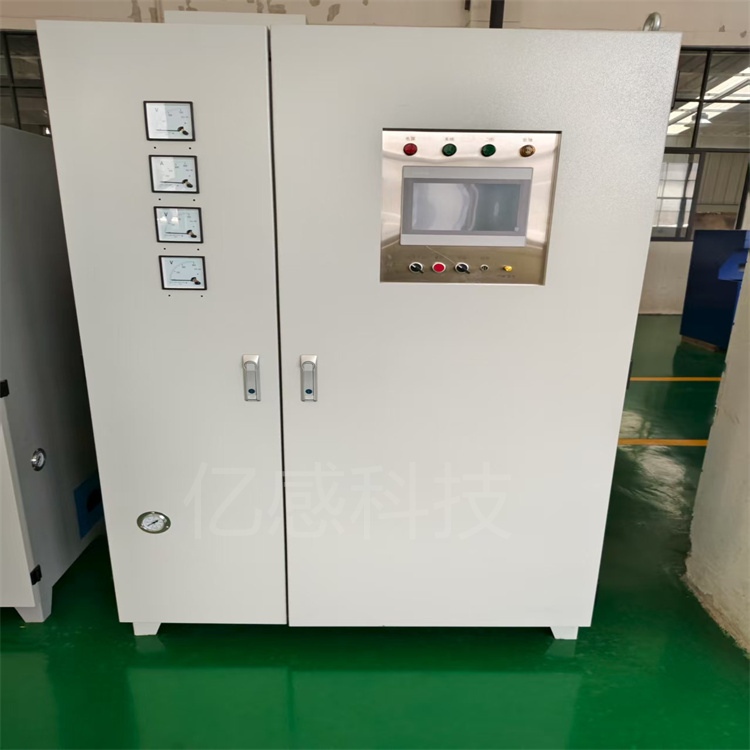
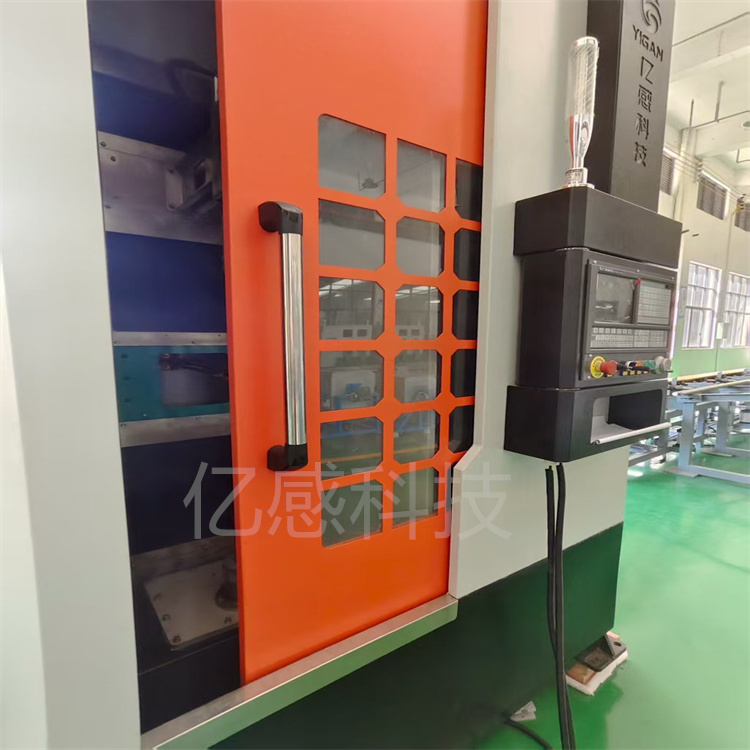
Heat Treatment Automated Machining Center
Section II: Core Positioning
An automated heat treatment machine tool is an intelligent heat treatment equipment integrating multiple processes and stations. By combining automated control systems with precise temperature control technology, it achieves full-process automation from metal heating, shaping to performance optimization. It is widely used in industries such as mechanical manufacturing, automotive parts, and hardware tools, aiming to address the pain points of traditional heat treatment processes, such as low efficiency, poor accuracy, and reliance on manual labor, and to provide enterprises with an efficient, stable, and environmentally friendly mass production solution.
III. Core Features and Application Scenarios
(One) Multi-station collaborative operation, breaking through production capacity bottleneck
The equipment features a modular multi-station design, allowing for flexible configuration of station numbers and layouts according to production needs. It supports simultaneous entry of multiple workpieces into different heat treatment processes.Supplies-Manufacturing-A continuous operation process for "material discharge." Eliminates the need for frequent manual transitions between workstations or waiting for single-process completion, significantly reducing equipment downtime. Particularly suited for the heat treatment production of mass-produced components such as automotive bearings, gears, and hardware parts, it notably enhances the amount of workpiece processing per unit time, meeting the enterprise's requirements for scaled production.
(II) Full process coverage, compatible with diverse heat treatment requirements
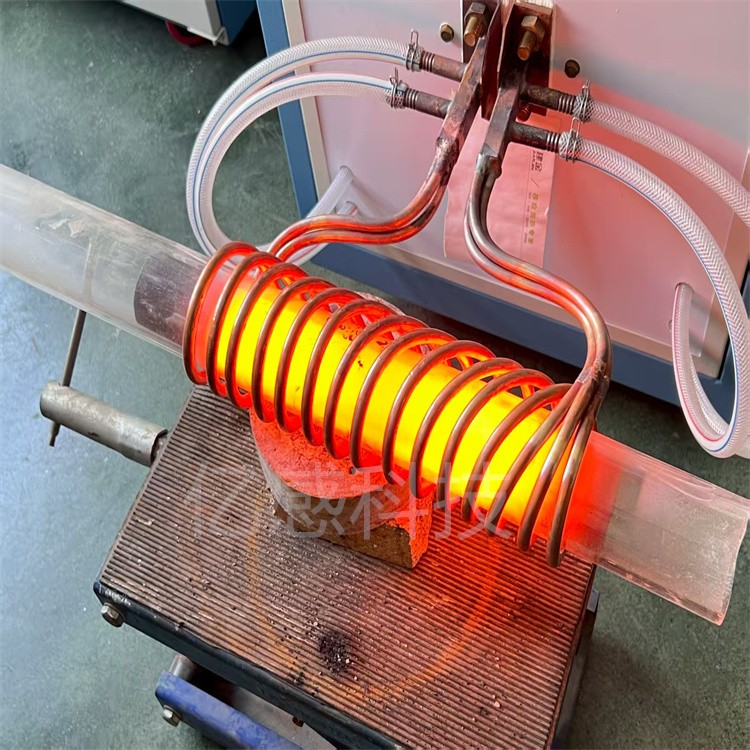
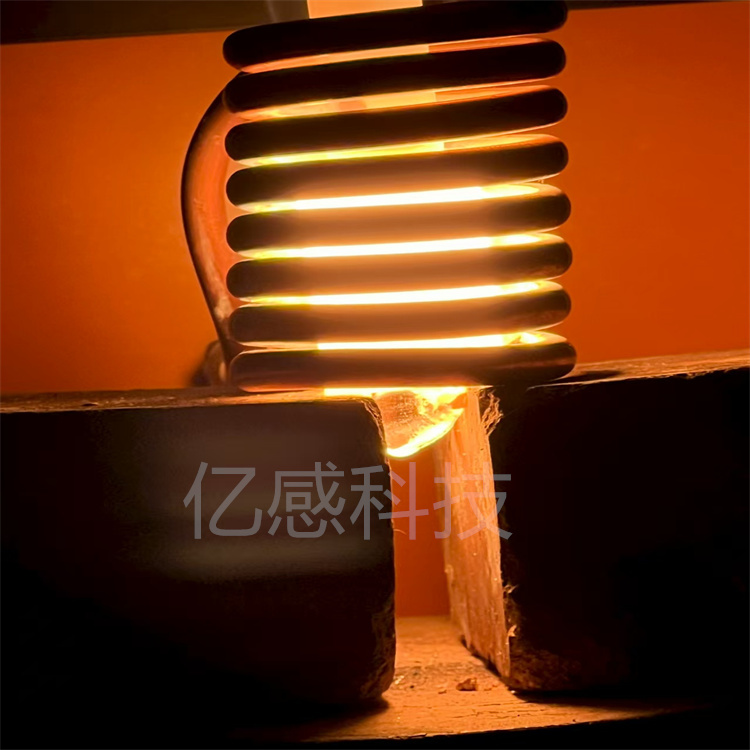
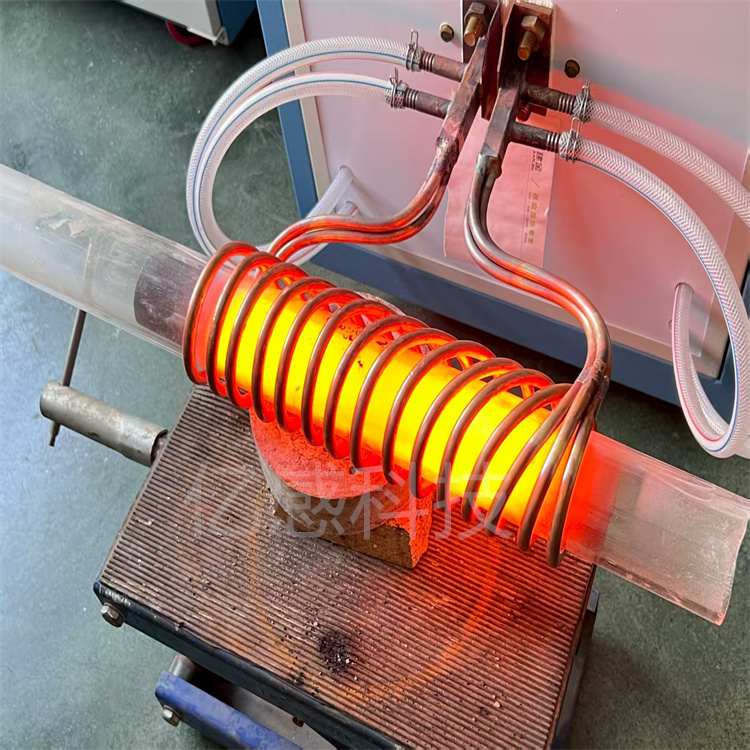
Six core heat treatment processes including quenching, annealing, forging, hot fitting, hot fusion, and welding, all controlled by a programmable control system (PLCPrecisely adjust critical parameters such as temperature, pressure, and insulation time, compatible with various materials (like carbon steel, alloy steel, stainless steel, etc.) and the performance requirements of different workpieces.