


- AllProduct Category
-
Underwater Engineering
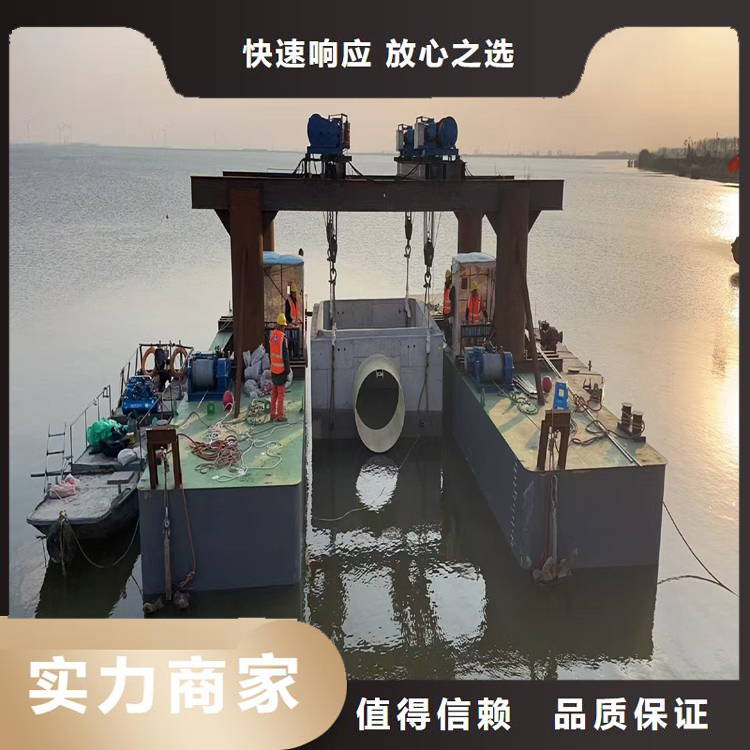
Pipe Installation Projects
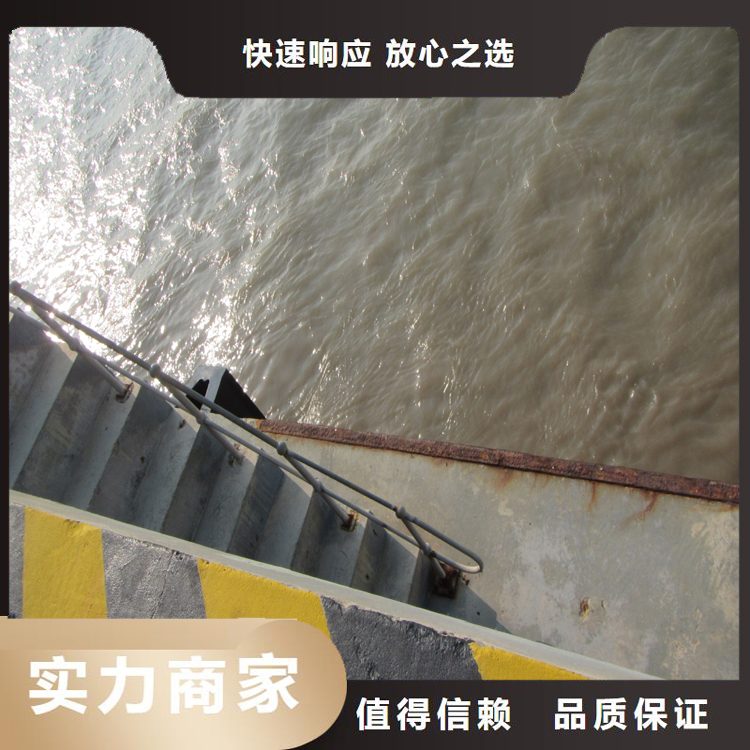
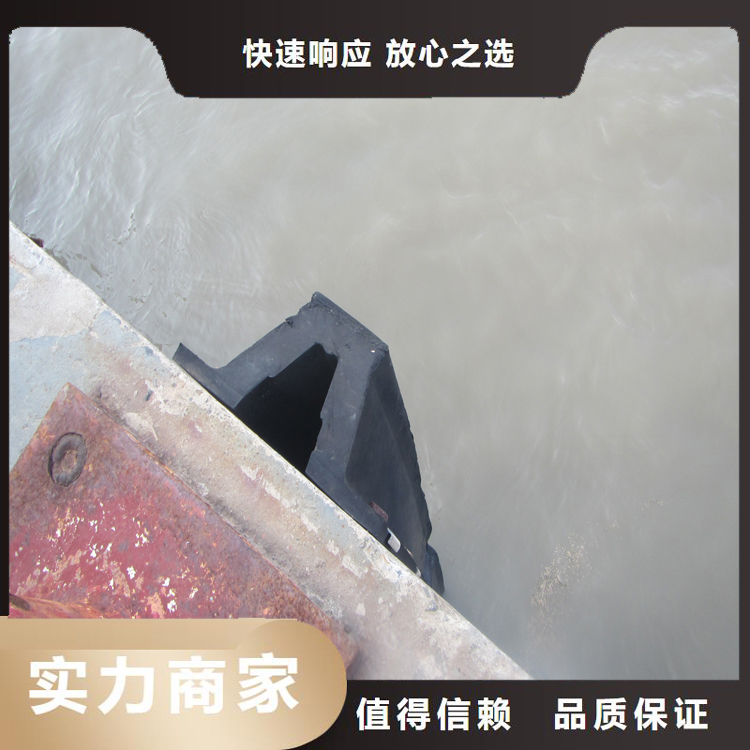
Fender Installation Services
Shipyard Skateboard Ramping Installation


详情描述
I. Project Overview and Construction Goals
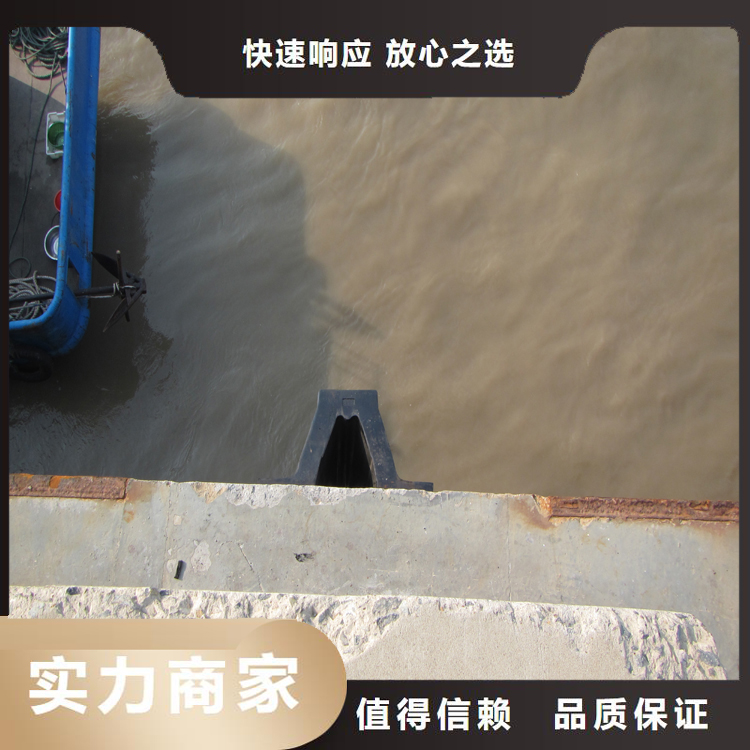
Bridges' fender systems, as critical installations to protect the structural integrity of bridges from ship collisions, require precise placement and sturdy construction during the drilling process, while ensuring no damage is inflicted on the main bridge structure. Key construction elements include:
Hole positioning: Drilling holes at designated locations on the pier or abutment, leaving reserved points for the installation and fixation of fender.
2. Embedded Part Installation: Accurately install pre-buried parts such as fender positioning plates, bolts, or anchor bolts in the pre-drilled holes.
3. Sealing and Reinforcement: Structural reinforcement and waterproof sealing treatment for the perforated area.
II. Construction Preparation and Conditions Confirmation
Technical Preparation
○ Verify design drawings: Confirm fender type, installation location, hole size, and embedded part specifications.
On-site Recheck: Use a total station or laser distance meter to verify the bridge pier elevation and axis position, and mark the center point of the hole.
Material Inspection: Verify the quality documentation for the fender body, positioning plate, bolts, embedded nuts, and sealing materials.
2. Equipment and Tools
Hole-making equipment: Water-jet drills (diamond-tipped drills), hammer drills, angle grinders, cutters, etc.
Installation Tools: Wrenches, Torque Wrenches, Welding Machines, Gas Cutting Equipment (for adjusting pre-buried components, if needed).
Safety Equipment: Seatbelts, guardrails, warning signs, lifesaving equipment (for aquatic operations).
3. Working Conditions
Avoid bridge operation peak hours by establishing traffic control or navigation warnings.
Ensure the work area is free of standing water and debris, meeting the equipment operating space requirements.
Section 3: Drilling and Installation Process
1. Locate and lay out the cable
○ Mark the hole range and center point on the pier surface according to the design drawings, with the error controlled within ±5mm.
2. Drilling Operations
Hollowing in concrete structures:
■ Perform concentric hole enlargement using a water drill or impact drill, slightly larger than the outer diameter of the embedded nut (as described in the patent technology).
The hole depth must meet the design requirements to ensure there is sufficient protective layer thickness after the embedded parts are installed.
Steel structure drilling holes
■ Plasma cutting or mechanical drilling ensures smooth, burr-free holes that comply with hull drilling specifications (e.g., R≥20mm radius).
○ Cautionary Notes:
Avoid damaging rebar or existing embedded pipelines during the drilling process.
Control the drilling speed to prevent concrete from spalling or steel structures from deforming.
3. Pre-embedded Item Installation and Fixation
Thread the locating plate and pre-buried nut into the reserved holes, securing them through welding or mechanical fastening (such as welding fixation as described in the patented technology).
Adjust the positioning plate to allow the pre-buried nut to protrude above the concrete protective layer, facilitating subsequent connection of the fender bolts.
4. Sealing and Reinforcement Treatment
Sand the edges of the holes and remove any debris.
Fill holes with epoxy mortar or high-strength grout to restore structural integrity.
Holes in steel structures can be reinforced with additional plates, enhancing local load-bearing capacity through welding.
4. Key Technical Points
Hole drilling accuracy control
Utilize a guidance device (such as a positioning template) to ensure drilling perpendicularity and avoid tilt-induced deviation in fender installation.
Holes in critical load-bearing areas (such as high-stress zones in bridge piers) must be reviewed by a structural engineer, and reinforcing designs should be provided if necessary.
2. Corrosion and Sealing
Surface treatment for embedded components is required to prevent corrosion (such as hot-dip galvanizing + coating) from sea or rainwater侵蚀.
Holes and pre-buried parts are sealed with waterproof sealant or rubber waterstops to prevent leakage.
3. Pre-embedded piece connection strength
Bolts and nuts torque must meet design requirements; inspect point by point using a torque wrench.
Welding connections must undergo non-destructive testing (such as magnetic particle inspection) to ensure weld quality.
V. Safety and Quality Control
Safety Measures
High-altitude operations require protective railings, water operations must wear life jackets, and life rafts should be provided.
Conduct a safety check on the equipment before use to avoid potential hazards such as electric leakage and mechanical failures.
Dust and debris generated during the drilling process must be promptly cleaned up to prevent tripping hazards or inhalation.
2. Quality Control
Hole sizes, positions, and depths must be 100% self-inspected and submitted for supervisor acceptance.
After the embedded components are installed, a tension test is conducted to verify the connection strength.
After installation of the sealing materials, conduct a water immersion test to inspect the waterproofing effect.
6. Common Questions and Solutions
Hole deviation: Adjusted mechanically or reinforced locally to prevent structural damage due to forced installation.
2. Loose embedment: Inspect welding quality or bolt torque, and re-tighten if necessary.
3. Water leakage issue: Re-inject sealant into poorly sealed areas or add a waterproof coating.
Section 7: Summary
Bridge fender installation requires strict adherence to principles of precise positioning, structural reinforcement, and corrosion prevention and sealing. Through standardized construction and quality control, ensure the stability and reliability of the fender installation while also safeguarding the main structure of the bridge. It is recommended to be carried out by a professional team with bridge construction qualifications and to follow standards such as "Port Engineering Technical Specification" and "Bridge Construction Specification."


