



- AllProduct Category
-
Underwater Engineering
Pipe Installation Projects
Fender Installation Services
Shipyard Skateboard Ramping Installation


详情描述
I. Pre-Disassembly Preparation and Risk Assessment
Site Inspection
Confirm pipe type (material, diameter, pressure rating), balloon plug location and status.
Assess the water pressure, flow rate, and water quality within the pipeline (presence of corrosive medium).
Check if the sealing airbag is intact, and if there are any signs of leakage or damage.
2. Equipment Inspection
Confirm that the tow rope, air release valve, pressure monitoring device, spare pump, and other tools are complete and in good working order.
Check if all the auxiliary components of the airbag (pressure gauge, inflation tube, repair materials) are available.
3. Safety Measures
Ensure on-site supervision by a designated person, equipped with emergency oxygen supply and communication devices.
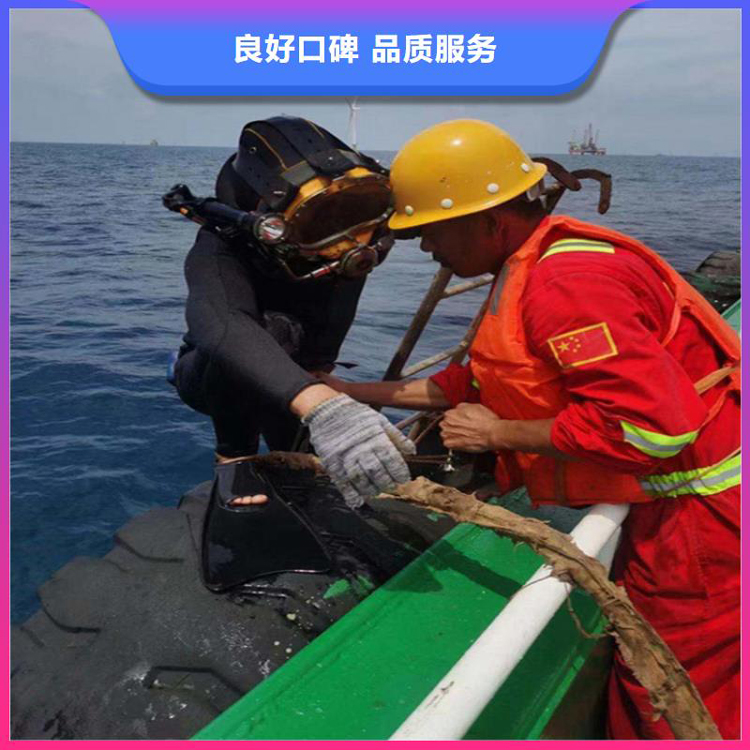
Divers wear protective gear, establish a safety exclusion zone, and prevent unauthorized personnel from approaching.
Section II: Procedures for Water-Removal Demolition
1. Pressure Reduction and Venting
Close upstream water valves: Gradually reduce water pressure within the pipeline to prevent sudden pressure drop causing the airbag to slip.
○ Air release device connection: Slowly release air through the airbag intake valve while monitoring pressure changes in real-time with a pressure gauge.
○ Auxiliary Water Pumping and Pressure Reduction: If the water pressure within the pipeline is high, a pump can be temporarily installed through a T-joint to remove water, reducing the pressure at the rear of the airbag.
2. Traction Airbag Removal
Fixed牵引绳: Connect high-tensile tow ropes at both ends of the airbag for secure attachment.
Slowly pull the airbag: Use a winch or manual force to slowly pull the airbag through a pre-assembled three-way connector or a reserved hole, to prevent scratching the surface of the airbag.
○ Synchronous Monitoring: Observe changes in pipeline water levels and the movement path of air bags to prevent jamming or sudden slippage.
3. Post-processing and Inspection
○ Pipe Cleaning: After removing the air bags, use high-pressure cleaning equipment to clear debris and blockage marks inside the pipeline.
○ Test Sealing: Conduct water leakage test on the original sealing position, and repair pipeline defects if necessary.
III. Key Technical Points and Precautions
Prevent airbag detachment
If there is a continuous water flow in the pipeline, prefer a bladder with guide holes (the diameter of the guide holes must match the pipeline pressure).
Follow the "upstream first, downstream next" principle when deflating, gradually reducing the airbag pressure to prevent movement caused by unidirectional pressure differences.
2. Leak Emergency Response
If a gas bag is found to be leaking during disassembly, immediately stop the operation, replenish the air pressure to stabilize it, and simultaneously initiate the backup sealing plan.
Small leaks can be temporarily sealed with the included repair materials, while severe damage requires replacing the airbag.
3. Navigating Complex Environments
Bendable Pipe: Remove in sections, handle each airbag individually to prevent twisting and damage during towing.
○ Deepwater Operations: Equipped with diver assistance underwater and ROV (Remote Operated Vehicle) monitoring for airbag status.
Four: Enhanced Security Measures
Staff Safety
Divers must inspect oxygen equipment and communication systems prior to dive operations, ensuring constant supervision throughout.
On-site emergency medical personnel and equipment are provided to address risks of sudden drowning or decompression sickness.
2. Equipment Protection
The牵引绳 is made of corrosion-resistant, high-strength materials and is regularly inspected for wear.
The exhaust valve is set with dual safety measures to prevent rapid depressurization due to accidental operation.
3. Environmental Control
Set up temporary intercepting devices downstream of the removal area to prevent sewage or debris from contaminating the surrounding water during the removal process.
After completion of the work, carry out anti-corrosion treatment on the pipelines and equipment to extend their service life.
V. Summary
Pipe air bag water-blocking walls must strictly follow the "depressurize - release air - tow" procedure, adjusting flexibly according to on-site conditions. The key is to control the pressure inside the pipeline, ensure the stable removal of the air bag, and monitor safety risks throughout the process. It is recommended that a professional underwater engineering team handle the operation to avoid secondary accidents caused by improper handling.


