
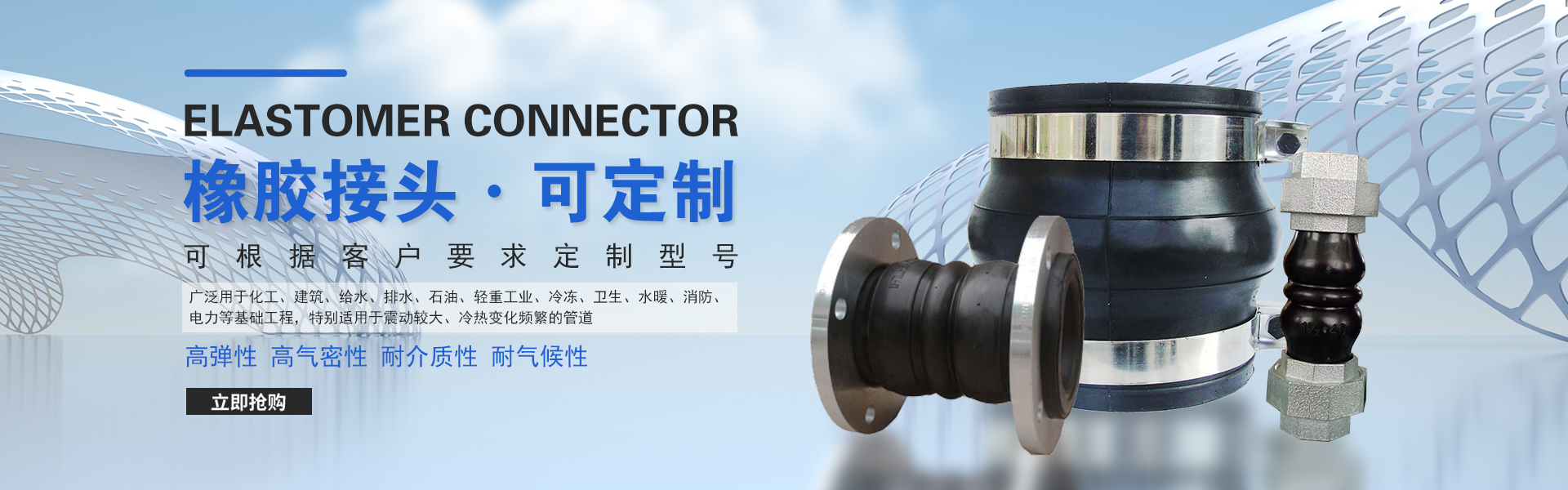
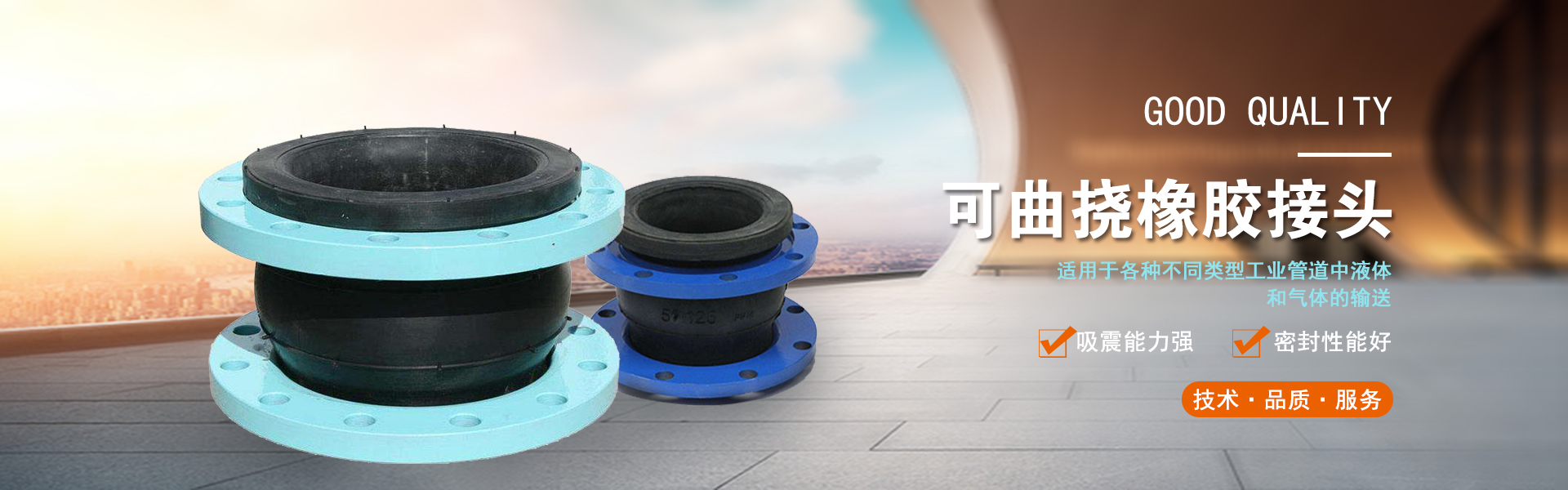

Rubber JointRubber and its products undergo gradual deterioration in their physical, chemical properties, and mechanical performance due to the combined effects of internal and external factors during processing, storage, and use, leading to the loss of usability. This change is referred to as...Rubber agingAging is a common phenomenon in high polymer materials such as rubber, which can degrade the performance of rubber and affect the usability and service life of rubber products. Specifically, it manifests as:Rubber JointSurface cracking, sticking, hardening, softening, powdering, discoloration, and mold growth.
CausedRubberKey factors contributing to aging include:
Oxygen reacts with rubber molecules through free radical chain reactions, causing molecular chains to break or over-crosslink, thereby altering the properties of rubber. Oxidation is one of the primary reasons for rubber aging.
Ozone — It is much more chemically reactive and destructive than oxygen, and it also causes molecular chains to break. However, the effect of ozone on rubber varies depending on whether it deforms. When it acts on deformed rubber (mainly unsaturated rubber), cracks appear perpendicular to the direction of stress, known as "ozone cracking." When it acts on deformed rubber, only an oxidized film forms on the surface without cracking.
C - Heat. Increasing temperature can cause thermal cracking or cross-linking in rubber. However, the fundamental effect of heat is to activate. It enhances the rate of oxygen diffusion and activates oxidative reactions, thereby accelerating the rate of rubber oxidation, which is a common aging phenomenon known as thermal oxidation aging.
D—Light. The shorter the light wave, the greater the energy. The energy of ultraviolet light is what causes destruction to rubber. Besides directly causing the breakage and cross-linking of rubber molecular chains, rubber absorbs light energy to produce free radicals, triggering and accelerating the oxidation chain reaction process. External light acts as a heating agent. Another characteristic of light's effect (different from heat) is that it primarily occurs on the rubber surface. High rubber content samples will exhibit network cracks on both sides, known as "light surface cracking."
Mechanical stress can cause rubber molecular chains to break, generating free radicals and initiating an oxidation chain reaction, forming a force-chemical process. The dominance of mechanical fracture of molecular chains and mechanical activation of oxidation processes depends on the conditions they are subjected to. Additionally, under stress, it is prone to ozone cracking.
Moisture - Water content has two effects: Rubber is prone to damage when exposed to wet air, rain, or immersion in water, due to the extraction and dissolution of water-soluble substances in rubber and the formation of water clusters, among other factors, caused by hydrolysis or absorption. Particularly, alternating actions of water immersion and atmospheric exposure can accelerate the degradation of rubber. However, under certain conditions, moisture does not cause damage to rubber and may even slow down aging.
G - Other.RubberFactors include chemical media, variable valence metal ions, high-energy radiation, electricity, and biology, among others.
News Center Co., Ltd.
