
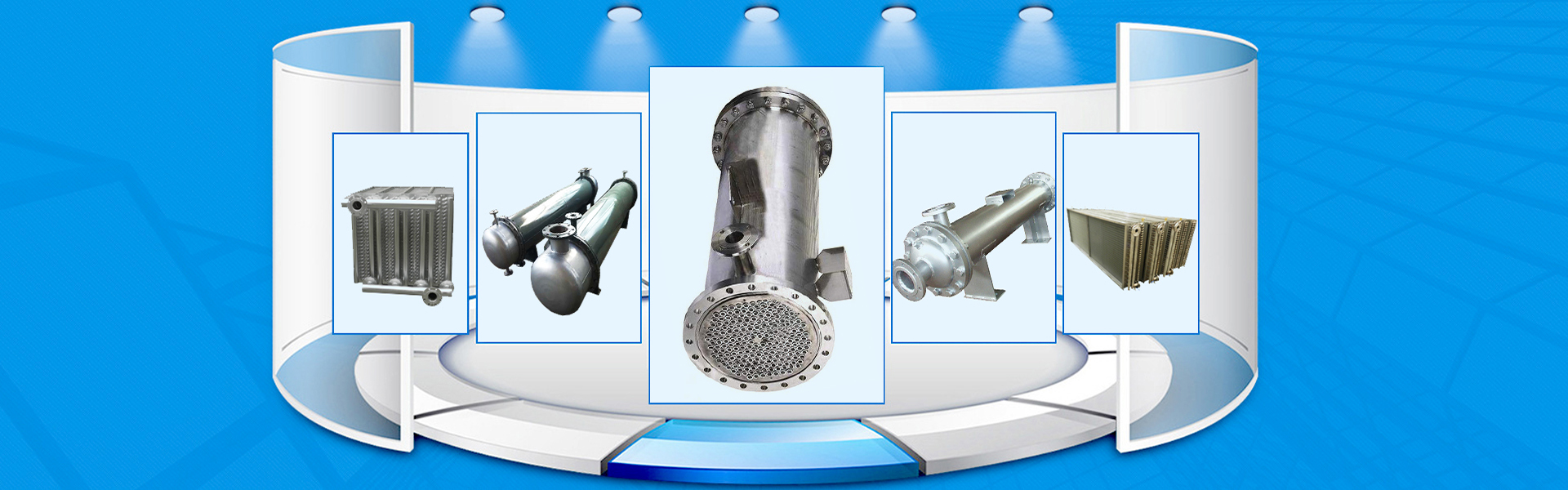

Tube-in-tube condensers prevent the cooler from sinking, leaving some space at the end of the fixed flange cover for the tube bundle to be withdrawn from the shell. The cooler must be positioned according to lifting specifications, and after leveling, the base bolts should be tightened, and the pipes for the cold and hot media connections made. Once the water temperature rises by 5~10°C, open the inlet valve for the cooler's media, then open the valves for the hot media's in and out, allowing it to flow. Subsequently, adjust the flow rate of the cooler's media to maintain the hot media at the appropriate operating temperature.
Tube-in-tube CondenserThe structure is typically made of shaped steel and thin steel plates, due to the better stability offered by metallic materials. Of course, the framework must also be compatible with...Tube-in-tube CondenserThe constraints and size of the fans should match. When selecting the frame type, note the following points:
1. The restraint lengths are the same on the same structure.
2. Even when placed on the same frame with different widths, or when there is considerable space, these should be sealed and covered with gaskets.
3. The unintermittent length air-cooled tube bundles should be separated and arranged into different groups or racks.
Most ventilation racks rely on the side beams of the tubular frame; do not support them alone.
