
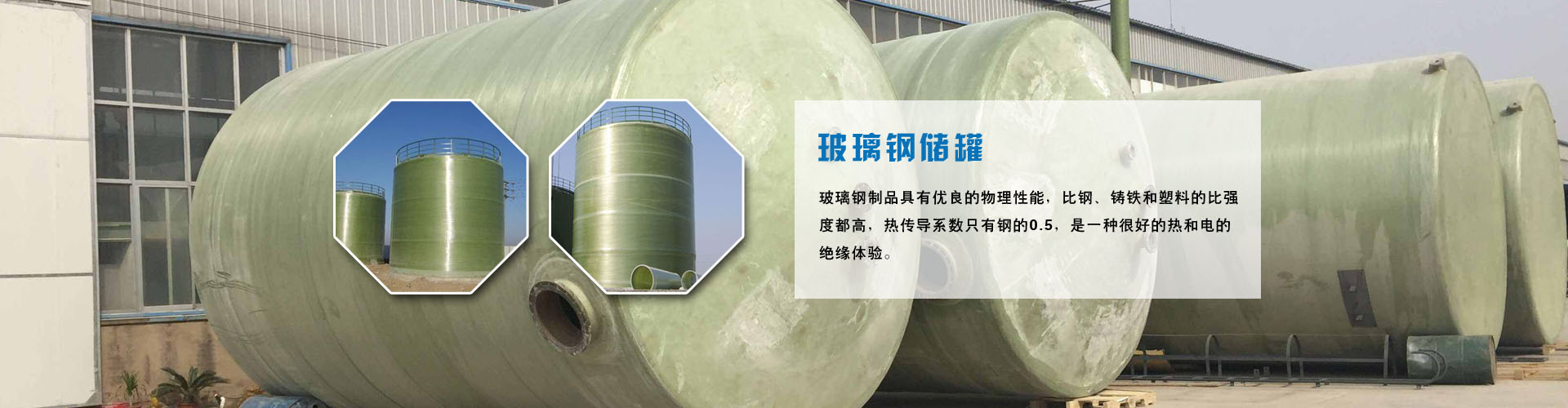
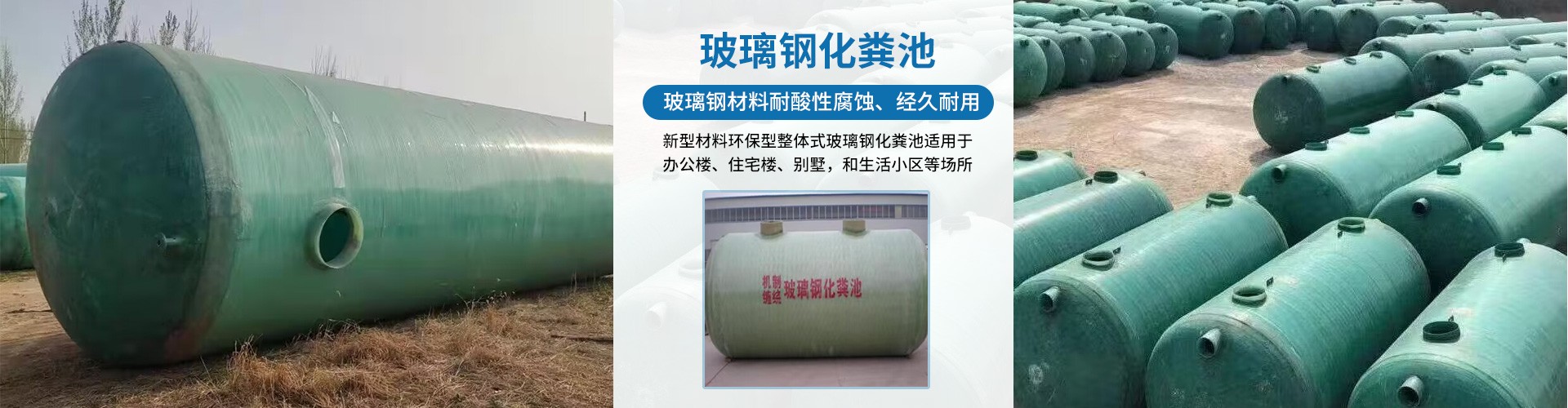


Glass-fiber Reinforced Plastic (GRP) septic tanks are equipment used for storing and treating feces, made from GRP materials. GRP is a composite material consisting of glass fibers and resins, which boasts excellent properties such as corrosion resistance, high-temperature resistance, and vibration resistance.
Glass-fiber reinforced concrete septic tanks are primarily used in rural areas or places without sewage treatment plants. They are designed to collect and treat household, farm, or livestock waste. These tanks effectively decompose waste, degrade organic matter, and reduce the emission of pollutants.
Fiberglass septic tanks offer advantages such as compact structure, corrosion resistance, long service life, and easy installation. They can be selected in various sizes and capacities to accommodate different scales and requirements for fecal treatment.
Glass-fiber reinforced plastic septic tanks can effectively address the issue of feces treatment in rural areas, reduce the risks of water and soil pollution, protect the environment and human health. Additionally, they can serve as a source of organic fertilizer for agricultural fields, enhancing crop yield and quality.
A fiberglass grease interceptor is a device used to treat industrial wastewater containing oil pollutants. Its main functions include the following aspects:
1. Separate Oil and Water: The fiberglass oil separator tank utilizes gravity to separate oil from wastewater, separating water and oil. The oil floats to the surface, forming a layer, while the water is discharged from the bottom of the separator tank. This effectively reduces the pollution caused by oil to the environment.
2. Removal of Suspended Solids: The design of the grease trap also takes into account suspended matter in the wastewater, such as solid particles and silt. During the treatment process of the wastewater through the grease trap, suspended solids settle at the bottom for subsequent treatment.
3. Storage of Oil Sludge: The separated oil can be stored in an oil separator pond. These ponds are typically equipped with oil traps and buckets, facilitating easy collection and processing of oil sludge.
4. Protect Downstream Treatment Equipment: In industrial wastewater treatment systems, an oil separator can act as a pretreatment unit, separating oil from wastewater to prevent oil contamination from damaging subsequent treatment equipment.
In summary, the function of the glass fiber grease interceptor is to separate oil from wastewater and remove suspended solids, protecting the environment and facilitating subsequent treatment.
Glass-fiber reinforced concrete septic tanks are a device used for treating and storing domestic and industrial wastewater, featuring the following functions:
1. Separate Solid Waste: Solid waste in feces settles and separates in the septic tank for later disposal or release. This prevents the waste from entering drainage pipes or wastewater treatment systems, easing the burden on subsequent treatment processes.
2. Decomposing Organic Matter: Organic matter in septic tanks is decomposed into water and gas through the decomposition process, reducing the concentration and volume of organic matter. This helps alleviate the load during the wastewater treatment process and minimize environmental impact.
3. Waste Water Storage: Septic tanks are equipped with waste water storage capabilities, allowing for temporary holding of waste water until treatment equipment is ready or necessary for discharge or processing. This feature is particularly suitable for areas lacking in wastewater treatment facilities or drainage systems, effectively controlling the discharge of waste water.
4. Prevent Sewage Backflow: fiberglass septic tanks can prevent sewage from flowing back into residential or industrial facilities, maintaining environmental sanitation and health. This is crucial in preventing the spread of diseases caused by backflow and environmental pollution.
5. Reducing Odors and Pollutants: The fiberglass septic tank is designed and manufactured with considerations for preventing the leakage of odors and pollutants, thereby minimizing the impact on the surrounding environment. This aids in maintaining fresh air around the area and reducing the impact of odors on human health.
In summary, the primary function of the glass fiber reinforced septic tank is to treat, decompose, and store wastewater, reducing the concentration and volume of organic matter, preventing backflow of sewage, and minimizing the impact on the environment and human health.
Glass-fiber reinforced concrete septic tanks are equipment used for storing and treating feces, serving the following functions:
1. Storing Feces: Efficiently collects and stores human and animal waste to prevent environmental and water pollution.
2. Decomposing Organic Matter: The glass-fiber reinforced septic tank provides an environment conducive to microbial growth, facilitating the decomposition of organic matter in feces into smaller molecular organic compounds.
3. Reduce Harmful Gas Emissions: Glass-fiber Reinforced Concrete Septic Tanks can effectively reduce the emission of harmful gases, such as those produced during the decomposition of feces.
4. Reduce Odor: Through proper design and operation, fiberglass septic tanks can minimize the odor produced during the decomposition of feces, improving the smell of the surrounding environment.
5. Reduce Disease Transmission: Concentrating and treating feces in a fiberglass septic tank can reduce disease transmission and improve public health levels.
In summary, the purpose of glass-fiber reinforced septic tanks is to effectively treat feces, reducing the risk of environmental pollution and the spread of diseases.
A Glass-Fiber Reinforced Plastic (GFRP) grease interceptor is an oil-separating device made from glass fiber reinforced plastic. It features the following characteristics:
Corrosion Resistance: The glass fiber material possesses excellent corrosion resistance, capable of withstanding the erosion of acids, alkalis, and other chemicals, thus enabling long-term use in corrosive environments.
2. Lightweight and High-Strength: Glass fiber reinforced plastic has a low density, about 1/4 that of steel, thus it is lightweight yet boasts high strength, with excellent tensile and flexural strength.
3. High-Temperature Resistance: The glass fiber reinforced plastic material can operate at higher temperatures, generally withstanding temperatures around 80°C. With special processing techniques, it can even withstand higher temperatures.
4. Easy Construction: The fiberglass grease interceptor boasts the advantages of mold manufacturing, allowing for customization to meet specific site and requirement needs. Additionally, due to the lightweight nature of the fiberglass material, construction is relatively easy, making installation and maintenance more convenient.
5. Longevity: Glass fiber reinforced plastic materials have a long service life, capable of withstanding years of normal use conditions without aging or rotting. Additionally, due to the characteristics of glass fiber reinforced plastic, issues such as corrosion and sedimentation are minimized, making maintenance straightforward.
In summary, the fiberglass grease interceptor is suitable for both industrial and residential environments, featuring corrosion resistance, lightweight yet high strength, heat resistance, ease of installation, and long service life, making it a high-performance grease separation device.
Glass-fiber separators are devices used for storing and separating oil and water, suitable for the following locations and fields:
1. Industrial Sites: Waste oil and wastewater generated during the industrial production process require separation and treatment. Fiberglass oil-water separators can effectively achieve oil-water separation.
2. Gasoline Station: A crucial site for oil-water separation, fiberglass oil separators can accommodate the specific environmental demands of gasoline stations, effectively separating oil and water from underground storage tanks.
3. Food Service Industry: In restaurants, hotels, and similar establishments, wastewater from kitchens contains a high amount of grease. Fiberglass grease traps can be used to separate and collect this grease and water, meeting environmental protection standards.
4. Car Wash: The wastewater from car washes contains detergents and oil, which can be separated using a fiberglass oil interceptor to reduce environmental pollution.
5. Landscape, Agriculture, Fishery: Fiberglass oil separators can also be used in the fields of landscape, agriculture, and fishery to separate oil from wastewater, thereby protecting the environment.
In summary, fiberglass grease interceptors are suitable for locations and industries that require oil-water separation processing.
Glass Fiber Reinforced Plastic (GFRP) Oil Separator, Phone
