

To enhance the thermal insulation capability of building facades and reduce heat loss, measures can be taken from the following aspects:
1. Material Selection
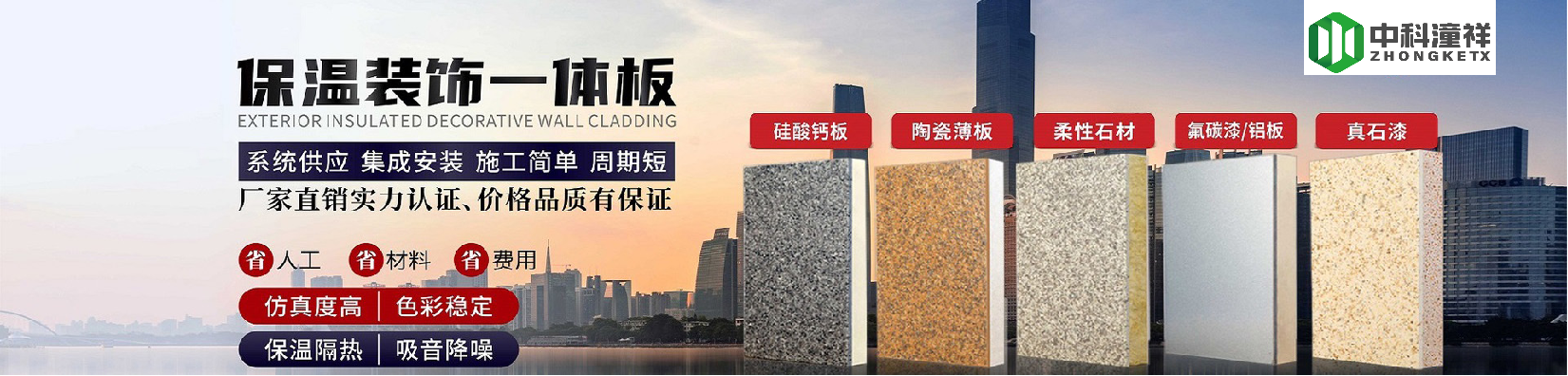
By selecting appropriate materials, enhance the thermal insulation of the exterior walls to reduce heat loss: increase the thickness of the walls to slow down the heat transfer process, achieving the goal of insulation; choose lightweight materials with high porosity for the exterior walls; utilize a variety of materialsExterior Insulation and Finishing System (EIFS) panelsThe system creates an insulation construction that addresses both thermal insulation and load-bearing issues.
2. Prevent condensation on the exterior walls
Due to temperature differences on both sides of the building's outer structure, when the moisture content of indoor and outdoor air is unequal, water vapor molecules will渗透 from the side with higher pressure through the building's outer structure to the side with lower pressure. During this process, if the temperature reaches the dew point, condensation may occur in the outer walls, causing materials to become damp. If condensation occurs within the insulation layer, it can reduce the insulating effect of the material. If moisture cannot be expelled, it may lead to mold growth, affecting the material's lifespan. Therefore, when designing the thermal performance of exterior walls, the influence of moisture cannot be overlooked. The usual practice is to first install a vapor barrier on the side with higher temperature to prevent moisture from entering the walls, while also directing the trapped moisture to the exterior of the supporting structure. Vapor barriers are commonly made of materials such as roll goods, waterproof coatings, or permeable membranes.
3. Prevent air infiltration through the exterior walls
Wall materials are generally not dense, containing numerous microscopic holes. Components such as doors and windows installed on walls may create penetrative gaps due to improper installation or material shrinkage. Due to the presence of these holes and gaps, air infiltration in the exterior wall may occur. To prevent air infiltration in the exterior wall, the following measures are generally taken: select materials with high density.Insulating PanelThe addition of a plaster layer on both sides of the walls, and reinforced tight joint treatment between structural components.
Window and door opening components achieve tight joint treatment for the effect of external wall heat insulation.
In hot regions during summer, intense solar radiation can cause outdoor heat to transfer through exterior walls into indoor spaces, leading to overheating and increased indoor temperatures. This not only affects work and daily life but can also harm people's health. Insulation sandwich panels for exterior walls offer sufficient heat insulation capabilities, including measures such as: applying a light-colored, smooth finish to the surface of the panels, such as light-colored paint, coating, or tiles to reflect solar heat radiation; installing a ventilated cavity to create a ventilated wall, which allows air circulation to dissipate heat; using multi-hole concrete or lightweight aggregate concrete hollow blocks for walls, or employing composite walls; and setting up an enclosed air cavity lined with aluminum foil to utilize the insulating properties of the air cavity.
For exterior building walls, in most cases, there is a temperature difference between the indoor and outdoor environments. Therefore, in the design of insulated sandwich panels for exterior walls, it is an important aspect of architectural construction design to rationally address the insulation and heat insulation issues of building exterior walls, based on local climate conditions and the usage requirements of the buildings.
