
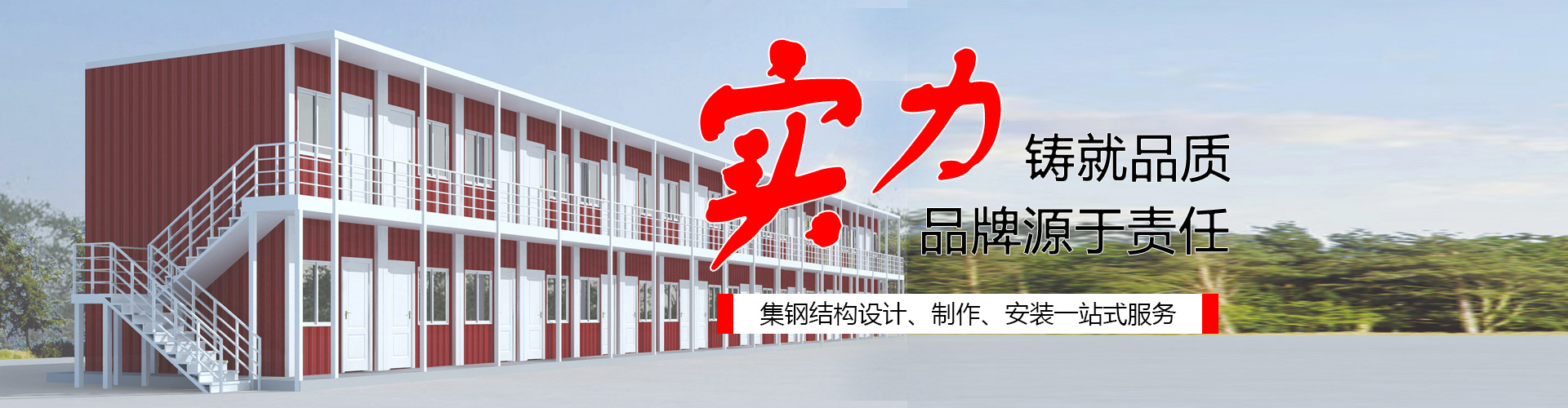

The Advantages of Container Houses
1. Portable. Container homes allow for relocation without changing the house. When moving to a new location, simply hire a moving company (or a large truck or trailer) to transport the container directly to the chosen site, where you can then reside, eliminating the hassle of finding, buying, and renovating a house.
2. Assembleable Container Houses can be customized to suit individual needs, with options including one bedroom and one living room, two bedrooms and one living room, three bedrooms and one living room, and three bedrooms with two living rooms, etc. Simply purchase the required number of containers for assembly. Many construction sites provide temporary housing for workers using container houses, which can be tailored to the number of workers at each site.
3. Affordable Pricing: After general renovation, the interior area of a container is approximately 13 square meters, and each container is priced at 12,000 yuan, with a cost of nearly 900 yuan per square meter. Compared to the housing prices in many places currently, this is quite affordable.
Disadvantages: 1. Low Comfort - There are currently two types of container homes. One uses foam sandwich panels for the side walls, which are not very sturdy, have a shorter lifespan, and are not theft-proof. While modifying with traditional container conversions improves theft protection significantly, it lacks adequate insulation and soundproofing, requiring interior renovations.
2. Land Rental Issue: As container houses require rented land for placement, the high rental prices in the city center make it unaffordable, thus many container houses are only placed in the suburbs.
3. Low Security Level: Container homes are usually only available in remote locations, making them sparsely populated with a lower security coefficient. Compared to apartment buildings, where a single complex may house hundreds or even thousands of residents, with regular property management patrols, the safety level is higher.
