
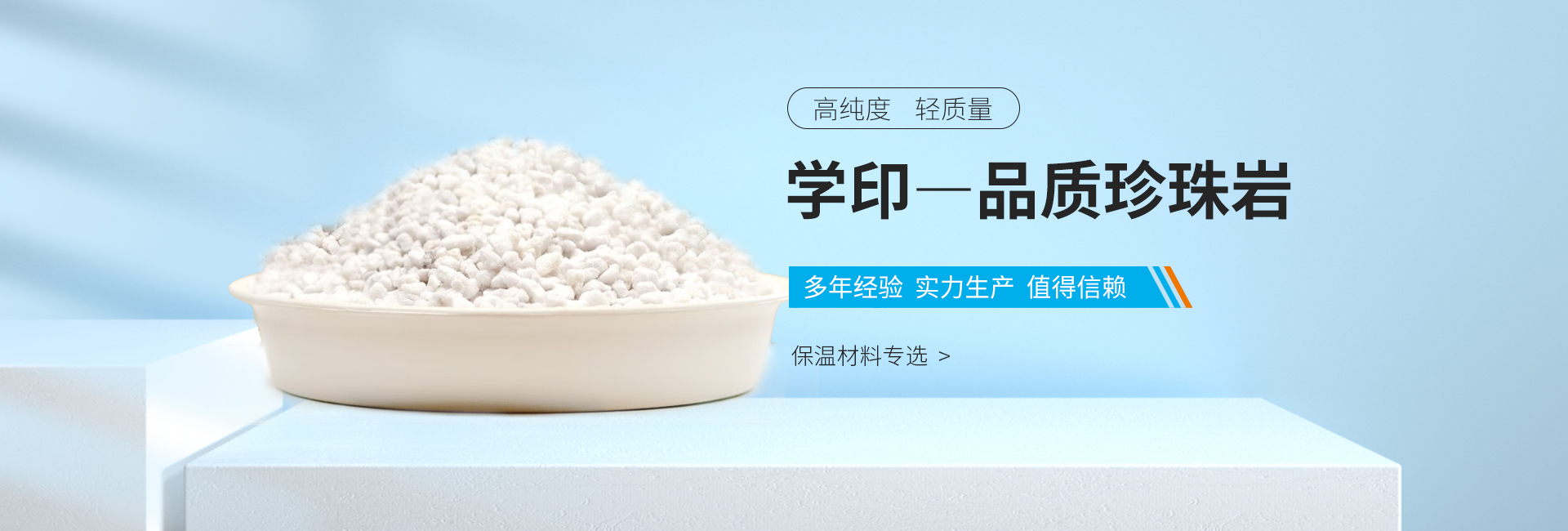





Qiqihar Perlite is a common decorative material, known for its high aesthetic value and usability. Choosing the right perlite decorative material requires considering multiple factors, including material quality, color, size, brand reputation, and price. Below, I will provide a detailed guide on how to select perlite decorative materials.
Material Quality
The quality of perlite directly affects the lifespan and effectiveness of its use in decorative building materials. When selecting, the following aspects can be used to judge quality:
Appearance: Check for a smooth surface, even color, and the absence of cracks or blemishes.
2. Weight: The heavier the perlite of the same size, the denser the stone material and the higher the quality.
3. Hardness: Gently scratch with a hard object to see if it's easy to scratch. If it's too easy to scratch, it indicates insufficient hardness and poor quality.
4. Absorbency: Place clean water droplets on the surface of the perlite and observe the rate of penetration. The better the absorbency, the higher the density and quality of the perlite.
Section II: Color Selection
Pearlite comes in a variety of colors, including white, light gray, yellow-brown, pink, and more. The color choice should be based on personal preference and the overall color scheme of the room. Generally, pearlite in lighter shades can enhance the brightness of a space, while darker shades can convey a sense of stability and elegance.
Size Selection
XPS board specifications are also a factor to consider when making a purchase. Depending on different renovation needs, different sizes of XPS board can be chosen. Generally, the common sizes of XPS board include: 300mm x 300mm, 300mm x 600mm, 600mm x 600mm, etc. When selecting, it is necessary to choose the appropriate size based on actual requirements.
