
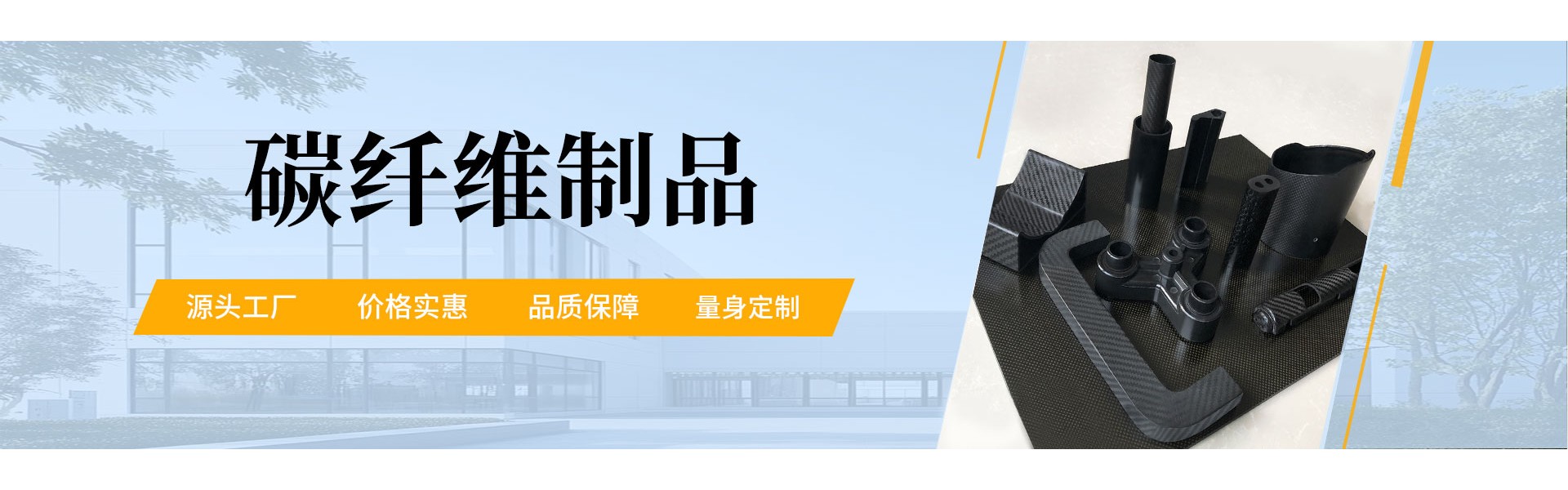
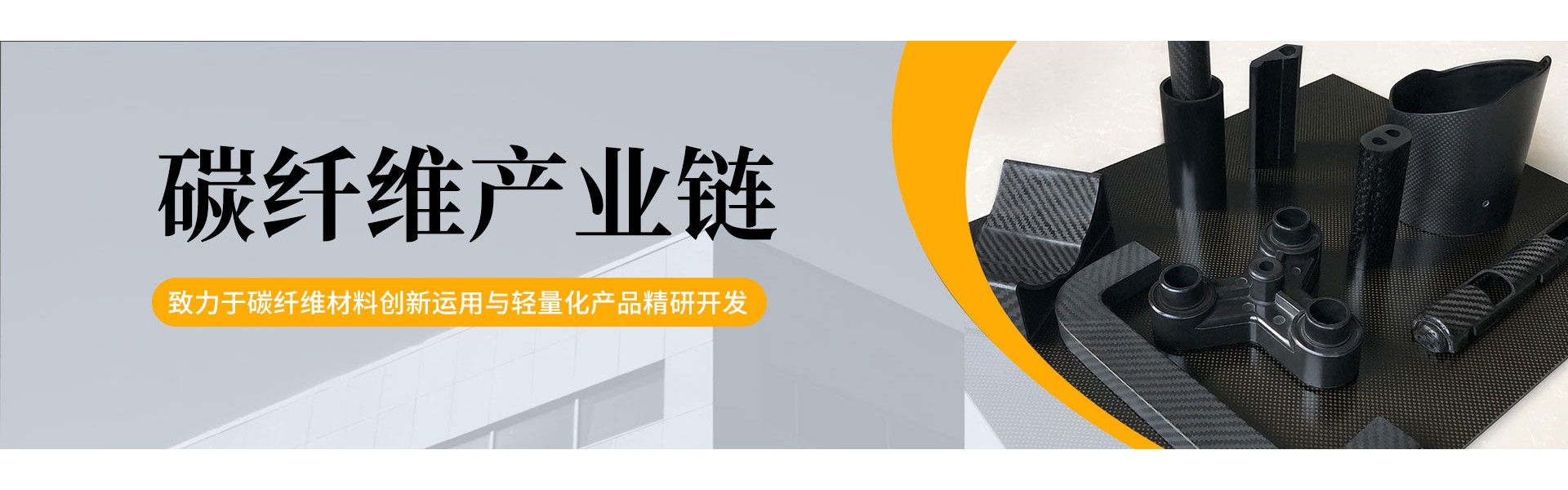

Carbon fiber composites have also begun to be applied in robotic arms in recent years. What are the application values of this new material, which is several times more expensive than metal, that make designers so enthusiastic?“Favorite”?
Carbon fiber is a high-performance fiber known for its high strength and low weight; it is lighter than aluminum and less than steel in density.On the 1st of April, the tensile strength is 20 times that of iron. The tensile strength exceeds 7-9 times that of steel, it resists acid and alkali corrosion, and is not prone to deformation, making it capable of long-term adaptation to harsh environments.Miniaturized, fatigue-resistant,Low thermal expansion coefficientEnhanced performance advantages.Self-lubricating and shock-absorbing, dimensionally stable, high modulus, fatigue-absorbing and wear-resistant.Excellent stretch properties、Long-lasting lifespanPlease wait.Features.Carbon fiber composite mechanical arms effectively compensate for the shortcomings of metallic arms. 
The robotic arm must withstand not only its own weight but also the weight of the objects it grasps. This necessitates that the arm can bear the load without experiencing deformation or fracture. In terms of tensile strength, the carbon fiber composite material boasts a tensile strength of...At 2000MPa, the tensile strength of aluminum alloys is approximately 800MPa; in terms of toughness, aluminum alloys have lower toughness and less elasticity. Carbon fibers, due to their softness and processability as textile fibers, possess significantly higher toughness than aluminum alloys and are also less prone to fracture.
Carbon Fiber Mechanical ArmCurrentlyPlease provide the Chinese content to be translated.AerospaceIndustrial manufacturingSurgical Medical EquipmentEntertainment ServicesAutomobile ManufacturingWidely applied in fields such as semiconductor manufacturing and space exploration.
As society progresses and technology advances, the continuous development of carbon fiber production and manufacturing techniques has led to the increasing application of carbon fiber in the domestic industrial robot manufacturing sector. Beyond the large-scale carbon fiber robotic arms in the aviation field, carbon fiber materials are also beginning to appear on some small and medium-sized robotic arms in everyday life.
