
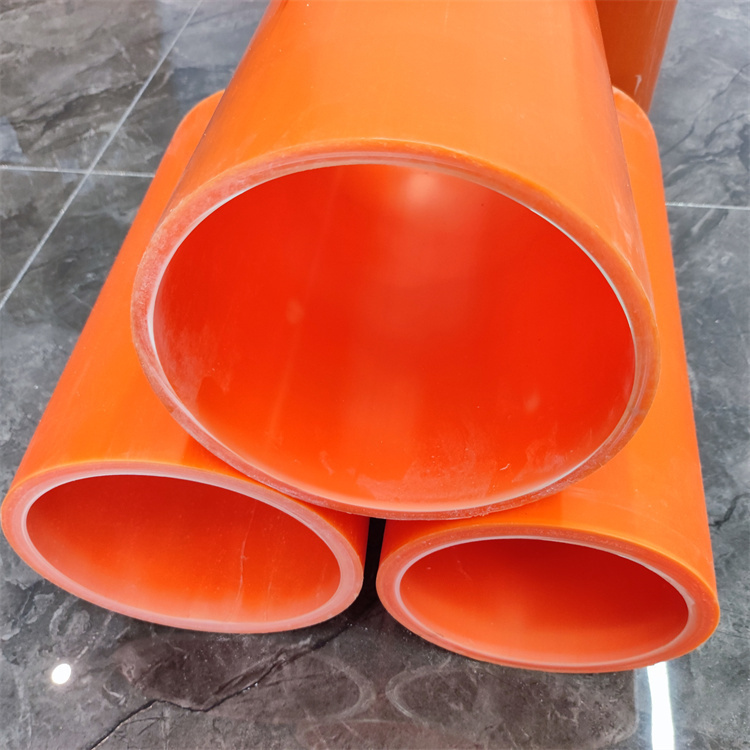
 MPP Power Pipe
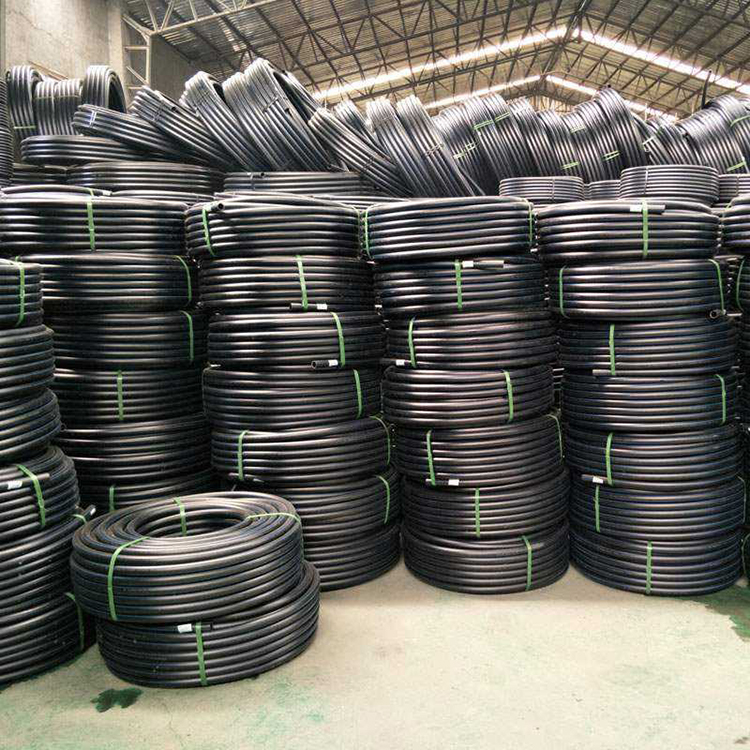 Polyethylene (PE) Conduit
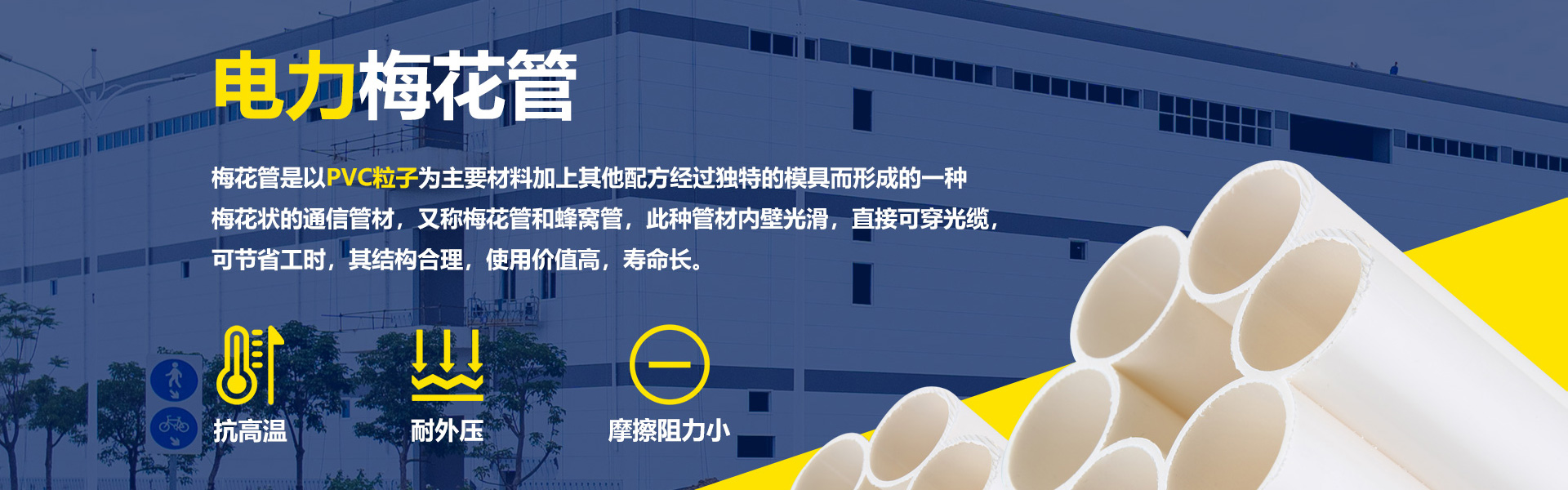
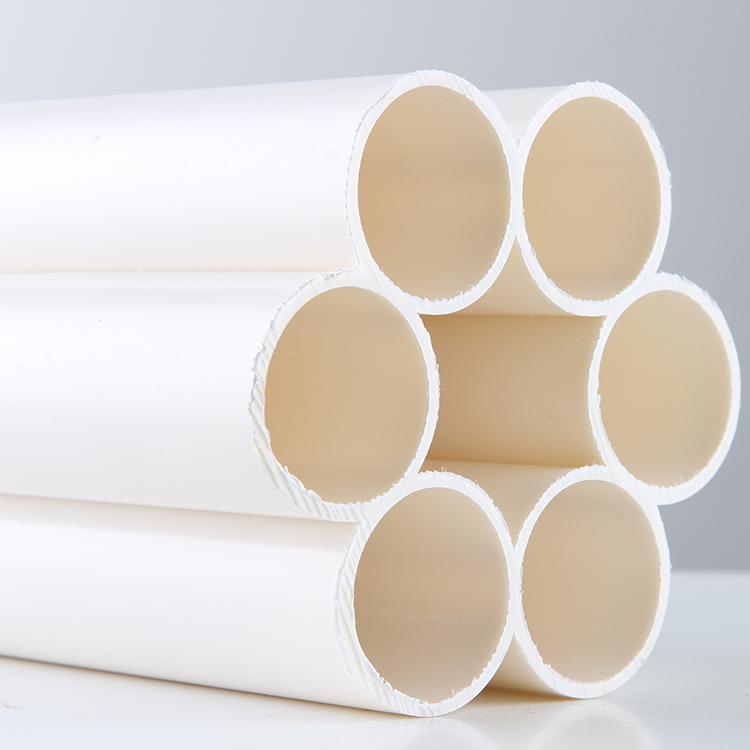 Plum Blossom Tube
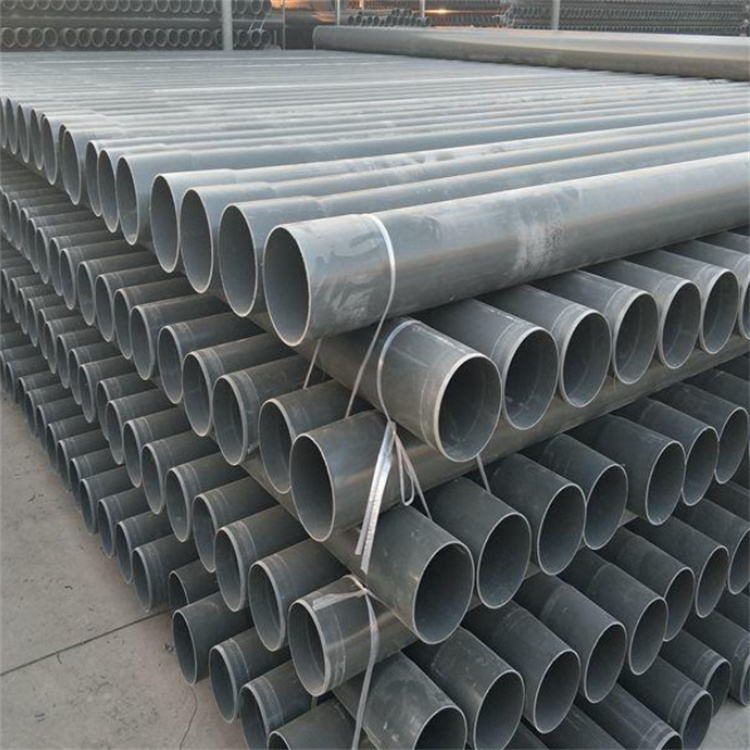 PVC-U Irrigation Pipe
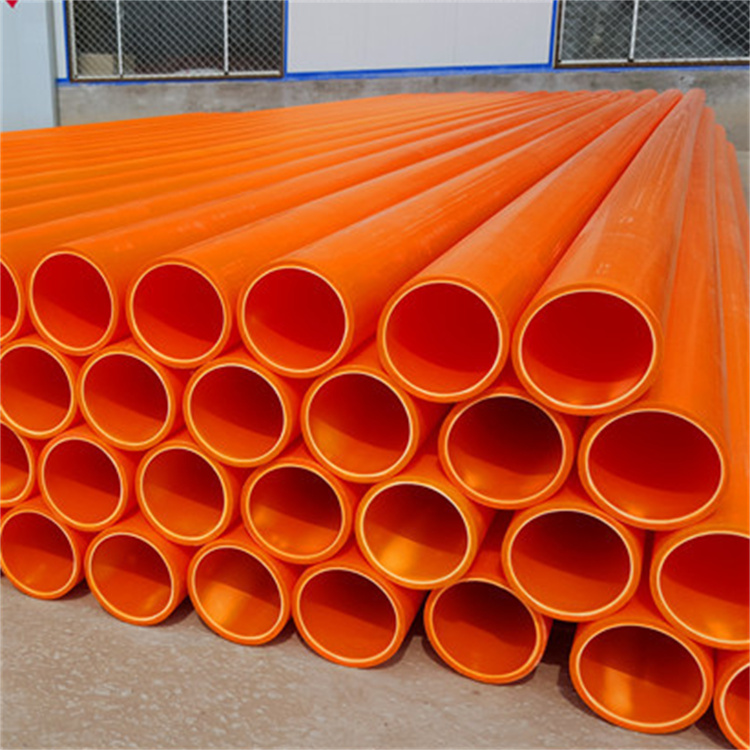 MPP Electrical Pipe
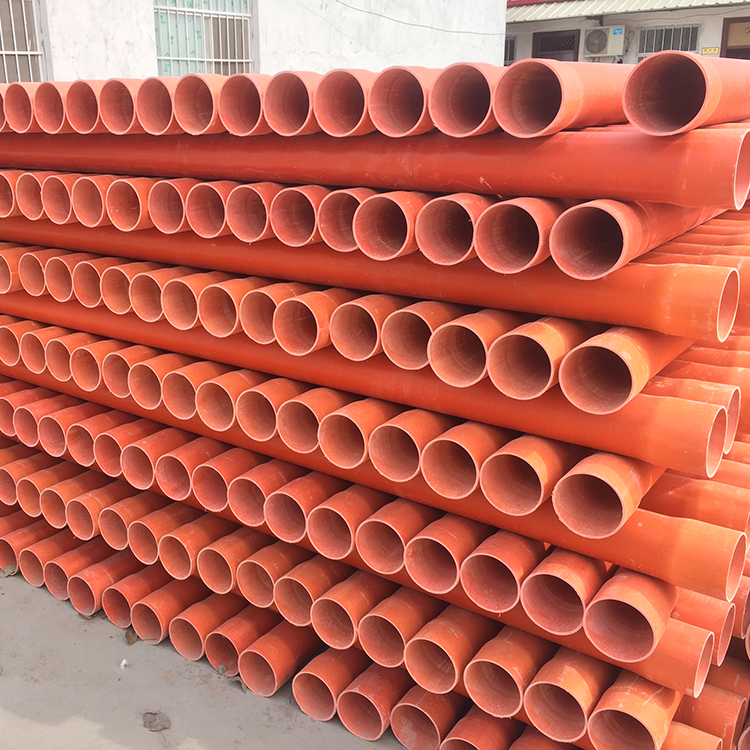 CPVC Electrical Pipe
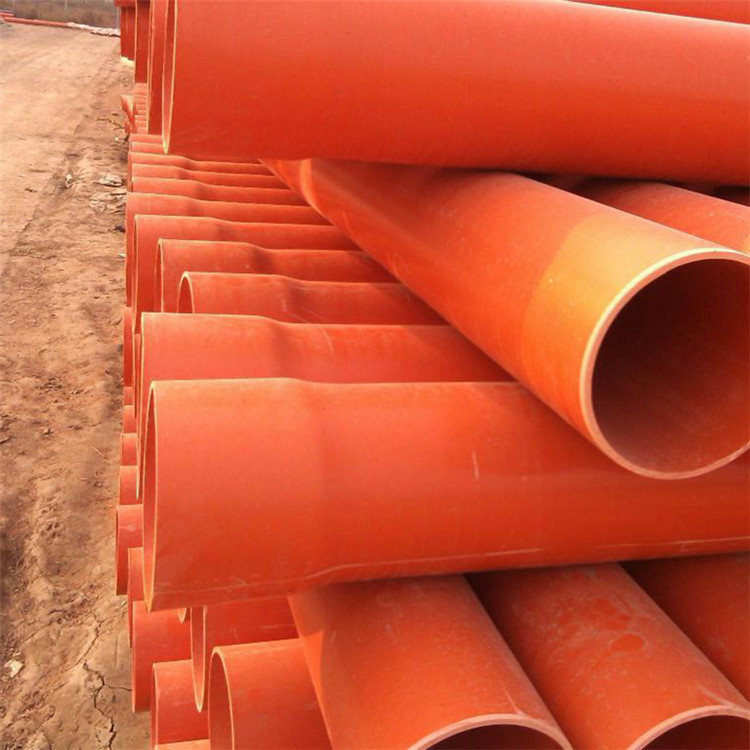 CPVC Power Pipe
Product Details



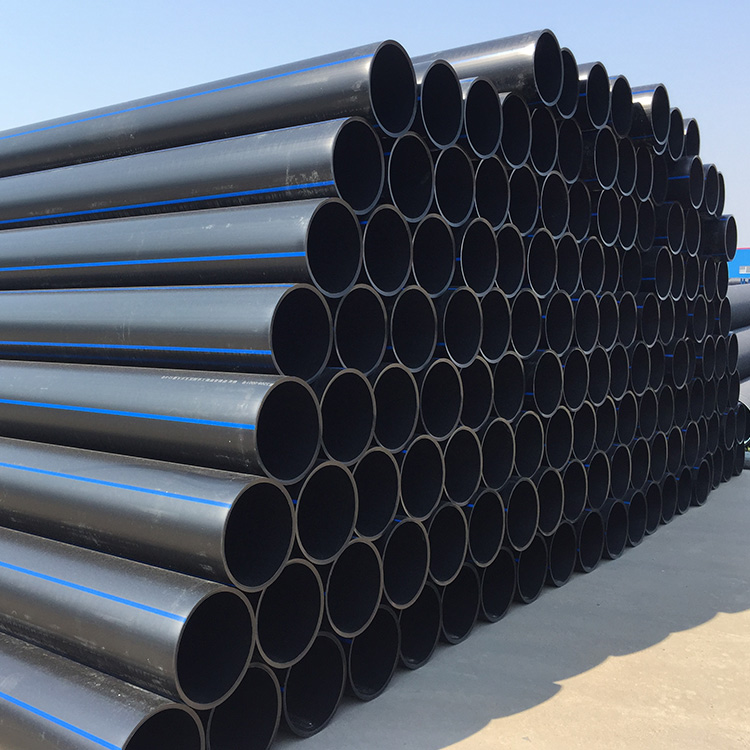

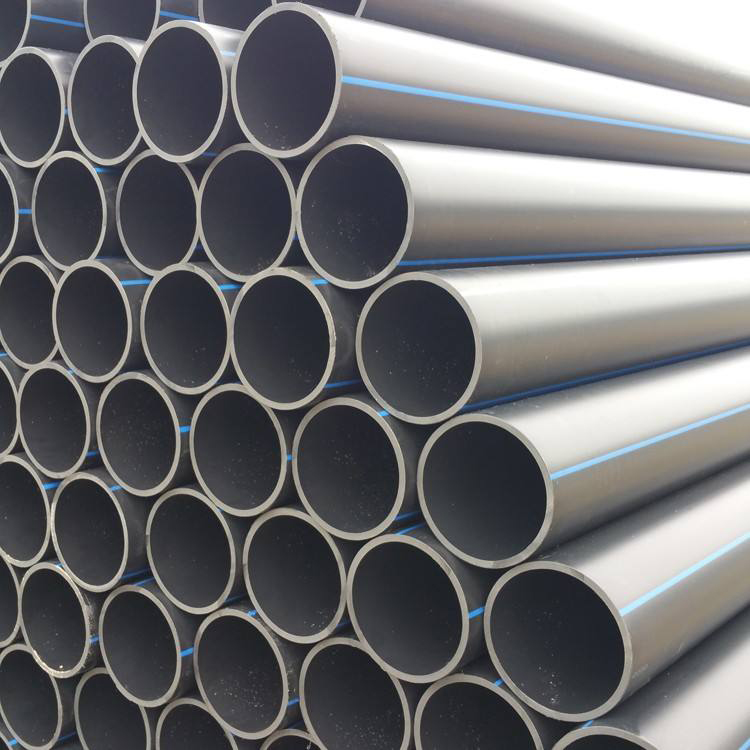
产品Price 1.30/Rice
最小起订Quantity:1000 Rice 供货总Quantity: 100000 Rice


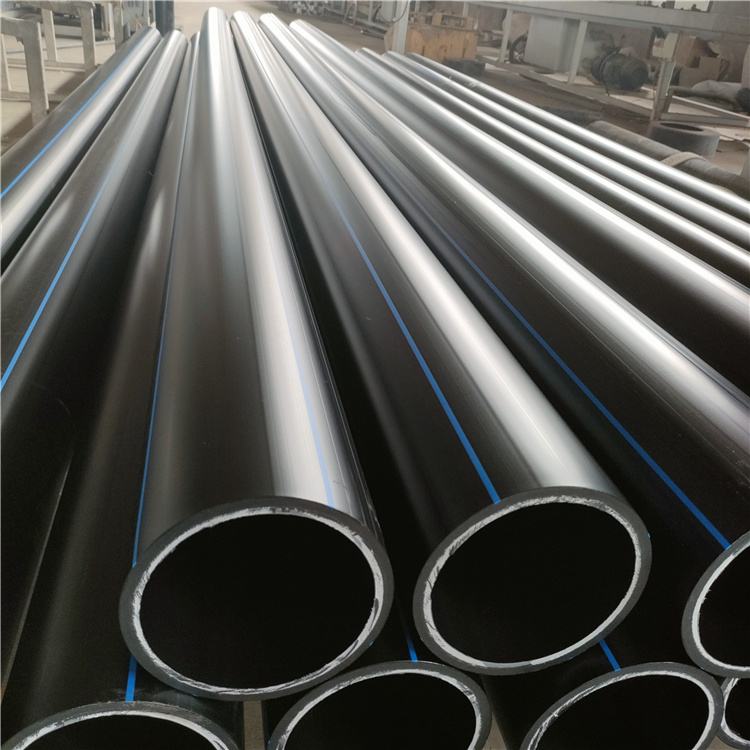
PE Pipe Common Specifications: Convey20℃The waterCAvailableCmin=1.25 PE63Design stress allowable limit5Mpa,PE80Allowable design stress limit6.3Mpa。 PE Water Supply Pipe Features: 1Corrosion resistance Polyethylene is an inert material that can withstand the侵蚀 of many chemicals, except for a few strong oxidizing agents, and is not prone to bacterial growth. As is widely known, the reason steel pipes and cast iron pipes are being replaced by plastic pipes is not just because of the properties of plastics.Pipe materialsLower water conveyance energy consumption, lower domestic energy consumption, lighter weight, reduced water flow resistance, easy and quick installation, lower cost, longer lifespan, and thermal insulation capabilities, plus the added benefits of plastic pipes being more resistant to corrosion and less prone to microbial growth compared to steel and cast iron pipes. 2Flexibility Polyethylene boasts unique flexibility and excellent scratch resistance. The flexibility of polyethylene pipeline systems holds significant technical and economic value. The flexibility of polyethylene is a crucial property that greatly enhances the material's value for pipeline engineering. Good flexibility allows polyethylene pipes to be coiled, supplied in longer lengths, thus avoiding a multitude of joints and fittings. 3Low-temperature resistance Polyethylene boasts exceptional low-temperature resistance.peThe low-temperature embrittlement point of the pipe is -70℃PVC offers superior performance over other piping options. During winter field construction, PVC...PVC-UPipes are prone to cracking, and in Beijing, China, polyvinyl chloride (PVC) is commonly used for laying.PVC-UOne lesson learned from the pilot project of buried pipeline water supply is that it is not advisable to install polyvinyl chloride (PVC) pipes when temperatures are below freezing.PVC-UPipe laying construction has commenced. 4Fracture toughness Polyethylene exhibits excellent fast crack growth fracture toughness. When fast crack growth failure occurs, the crack can...100~45m/sRapid expansion over hundreds to tens of kilometers causes damage to long-distance pipelines, leading to massive leak accidents, followed by subsequent combustion explosions (in natural gas transmission) or flood accidents (in water transmission). Strive for wall thickness and nominal pressure: PETubingCommon sizes typically range from16mm-1800mmBefore heading to the market, the nominal outer diameter is definitely confirmed, but besides the diameter, there's also the option of wall thickness, varying for different diameters.PEThe wall thickness of the pipes varies accordingly; some are thicker.5More choices, the thicker the wall, the greater the nominal pressure it can withstand. Appearance Evaluation Performance: PEPVC pipes are a recyclable and green option, but the properties of recycled material (regrind) are still somewhat inferior to new material, and to some extent, it is substandard. Excessive use of regrind can lead to issues like uneven pipe color,起伏,bubbles, and rough pipe walls. It's advisable to avoid such pipes when making a selection. National Standard & Brand: National Standard:PEGB standard refers to the national standard of the People's Republic of China.GB/T 13663-2000Qualified steel pipes on the market all come with inspection specifications, which can be used to compare and determine if they meet the national standards. Brand: The prices of pipe materials meeting national standards vary, which may reflect the brand benefits. However, pipes that meet national standards can comply with standard construction practices.PEPlease provide the Chinese content to be translated.“National Standard”Leading brand. Key Selection Points for Polyethylene (PE) Pipes PEThe quality and superiority of pipe products mainly depend on the raw materials, processing equipment, and processing techniques. How to select high-qualityPEConsider the following aspects? 1Inspect the appearance Superior PEThe inner and outer surfaces of the pipe produced from raw materials are smooth, flat, free of bubbles, dents, and color spots, while inferior products typically have more granular impurities, with rough and pitted surfaces. 2Milling Strip Cut-offs from machine tool processingPEPipe materials, superiorPENot prone to breakage in stretching and folding, with high tensile strength and bright cut edge color. ExcellentTubes feature symmetrical flanges, solid, smooth, and flat; inferior products are prone to bending and breaking, being brittle, and the color at the cut edge is darker. 3Welding joint Weld joints primarily reflect the quality of the production process; good weld jointsPEThe entire circumference features a smooth, symmetrical flange with a wider root, solid, smooth, and flat, allowing for slight elongation. Low-quality products have a flange surface with numerous pores, uneven edges, and the flange shortens after being subjected to pressure. 4Flavor High-purity raw materials produced with high densityPEThe piping may have a slight plastic odor, but after cooling and being left for a while, the odor will dissipate. The flame at the bottom is light blue when burned, burning stably with no odor. Poor-quality products will have a strong, unpleasant smell, with black smoke and an odor when burned. 5Tensile elongation at break Comparison of the product's length after tensile break to its original length.3.5Twice or more is excellent.Product 6Oxidation Induction Time This is a laboratory test.PEOne standard test for pipes is the duration of the automatic catalytic oxidation reaction under high-temperature oxygen conditions; the longer the time, the better the product performance.


.jpg)

Phone Consultation