

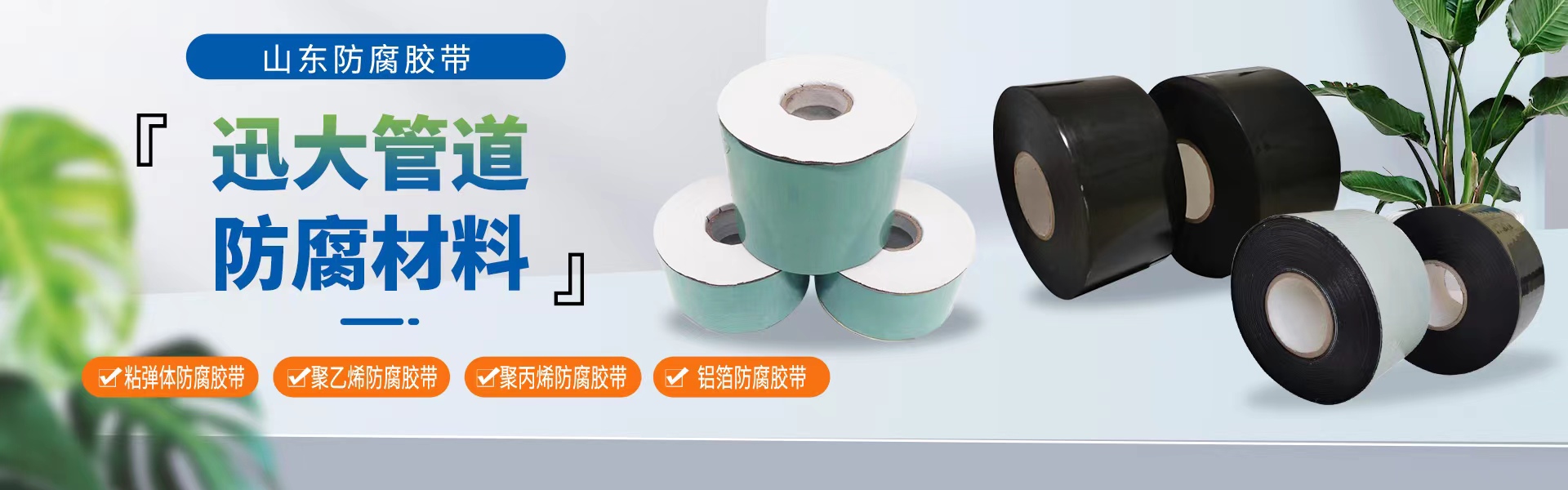

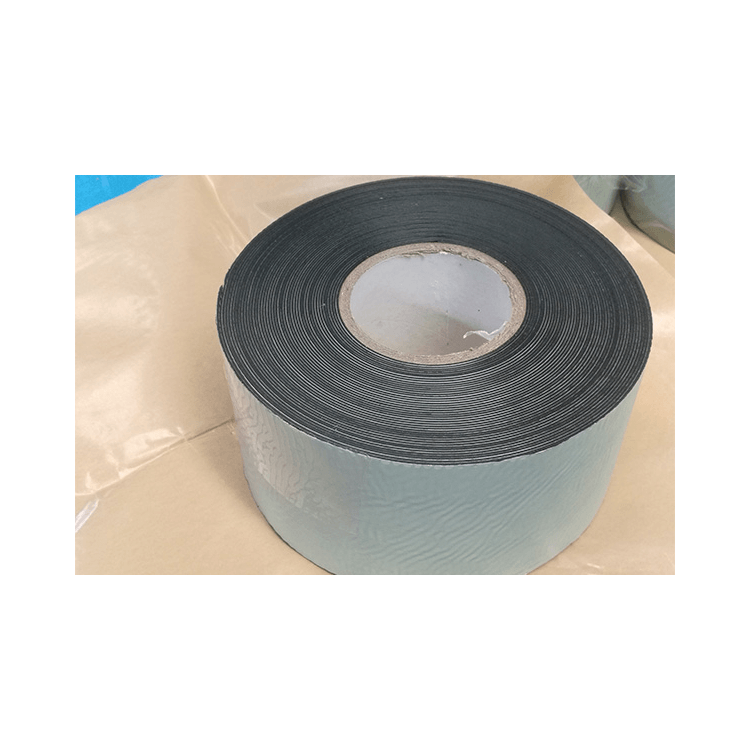
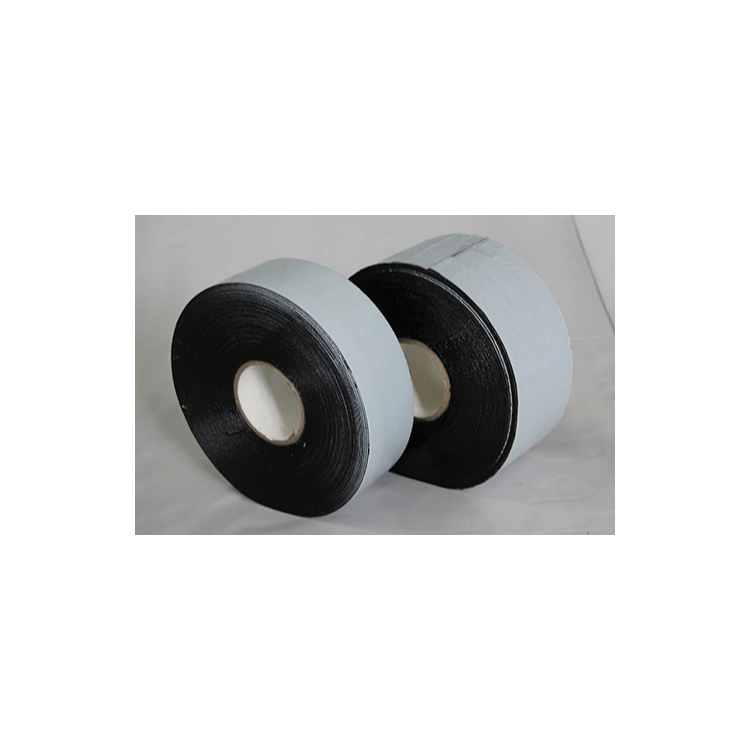
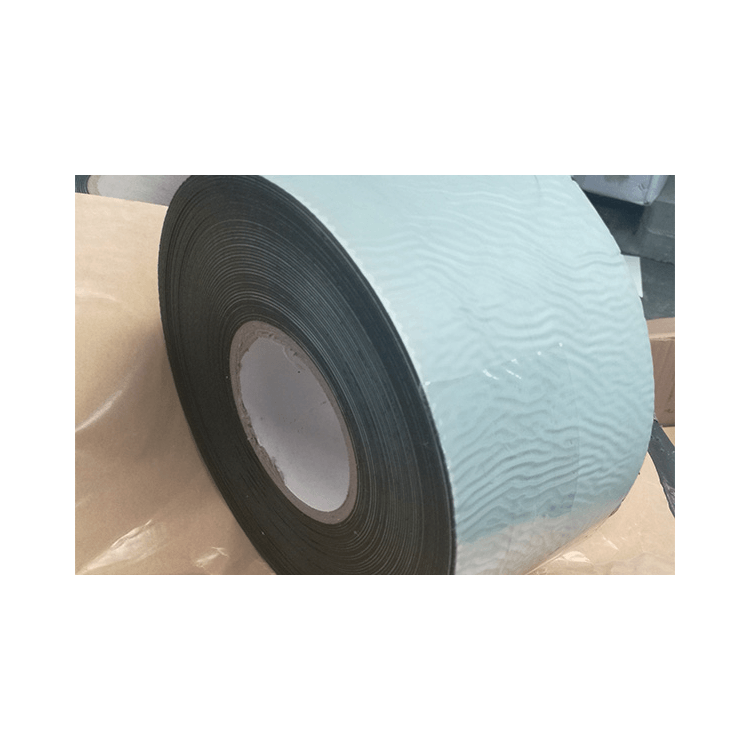
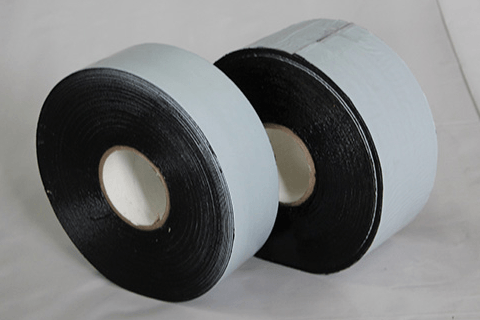
Polyethylene anticorrosion adhesive tape consists of a corrosion-resistant tape, a protective tape, a patching tape, and a primer. The tape is made by co-extruding a polyethylene film with a heat-bonded adhesive layer primarily composed of butyl rubber. It boasts good tensile properties, corrosion resistance, mechanical strength, impact resistance, aging resistance, low water absorption, ease of application, hygiene, wide application scope, and long service life. It is used for the external corrosion protection of metal pipelines in various pipeline projects and facilities such as oil, natural gas, petrochemicals, electricity, metallurgy, urban gas pipelines, water supply, and more. It is also applied for the external corrosion protection of buried overhead metal pipelines in petrochemical, natural gas, and coal projects.
Section II: Product Highlights
1. Evenly thick胶 layer, good bonding and sealing.
2. The bonding between the base material and adhesive layer is strong, with no delamination occurring during storage or application.
3. Excellent heat aging resistance.
4. Appropriate tensile strength and elongation at break for ease of both mechanical and manual winding.
5. A comprehensive range of varieties, specifications, and colors available, including anti-corrosion strips (inner), protective strips (outer), patching strips, anti-corrosion primer, and construction tools, etc.
III. Usage Instructions:
(1) Remove rust, weld seams, burrs, oil, dirt, and dry. Manual rust removal should reach St3 grade, and mechanical rust removal should comply with Sa2 grade as specified in SYJ 4007-86.
(2) Primer (hand or mechanical)
(3) The undercoat should be coated with tape when it is surface dry, and the tape must meet the requirements of the corrosion-resistant coating grade and structure.
(4) Simply pass the electric spark inspection, and then the trench can be filled.
V. Transportation and Storage:
Tape is used to protect goods from sun exposure, rain, and prevent deformation due to pressure during transportation.
(2) In case of extreme freezing below 5°C during transportation or storage, the product must be stored at around 20°C for 48 hours before application.
(3) Store in a cool, dry storage facility with temperatures between 5-30°C, for a period of 12 months, and keep away from heat sources and open flames.
