


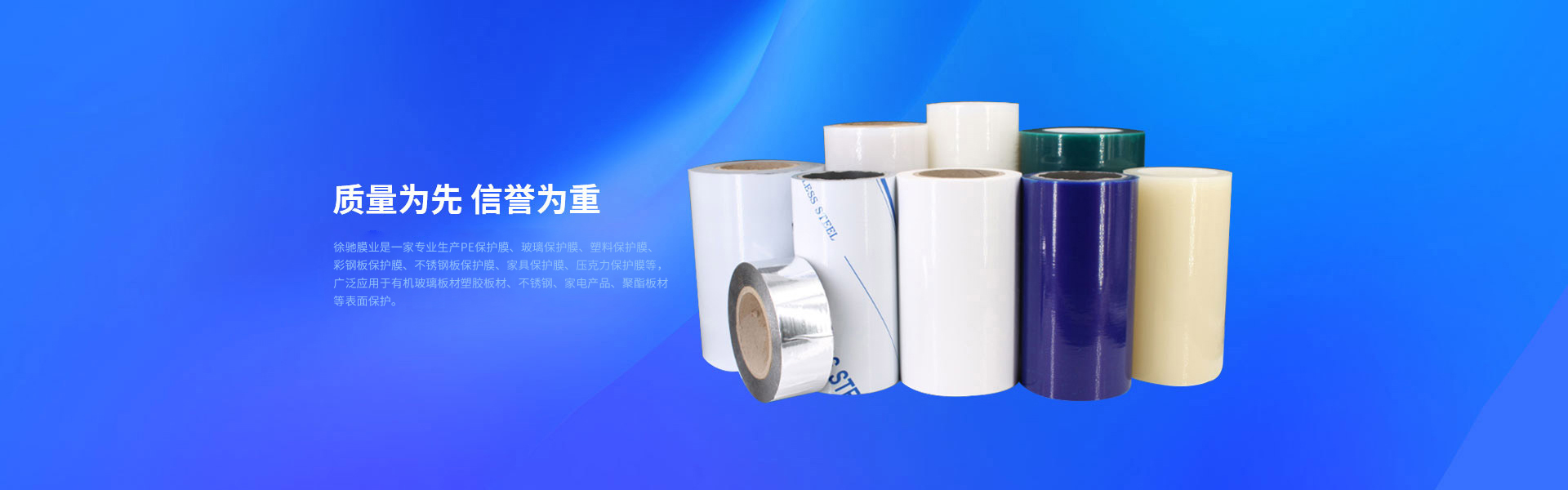

Glass protective film is a transparent thin-film material, widely used for the surface protection of various glass products. Its primary function is to prevent scratches, wear, or impact damage to the glass during transportation, installation, and use, thereby extending the lifespan of the glass.
The working principle of glass protective film is based on its unique physical and chemical properties. Firstly, the film is typically composed of multiple layers, including the base layer, adhesive layer, and protective layer. The base layer offers fundamental support and protection, the adhesive layer ensures the film adheres firmly to the glass surface, and the protective layer provides additional scratch and impact resistance.
When glass comes into contact with hard objects, the protective film absorbs and disperses the impact force, reducing direct damage to the glass. Additionally, the surface of the protective film has been specially treated to resist wear and scratches from everyday use. Under UV radiation, some protective films also have anti-aging properties, ensuring long-term use without fading.
Glass protective film has a wide range of applications, including architectural glass, automotive glass, electronic screens, and household glass. In the construction field, protective film safeguards glass facades from scratches and contamination during construction. In the automotive industry, it prevents damage to car glass during transportation and installation. For electronic screens, protective film not only guards against screen scratches but also offers fingerprint and glare resistance.
In summary, the glass protective film, with its unique structure and properties, offers effective protection to various glass products, ensuring both aesthetic appeal and durability.
