

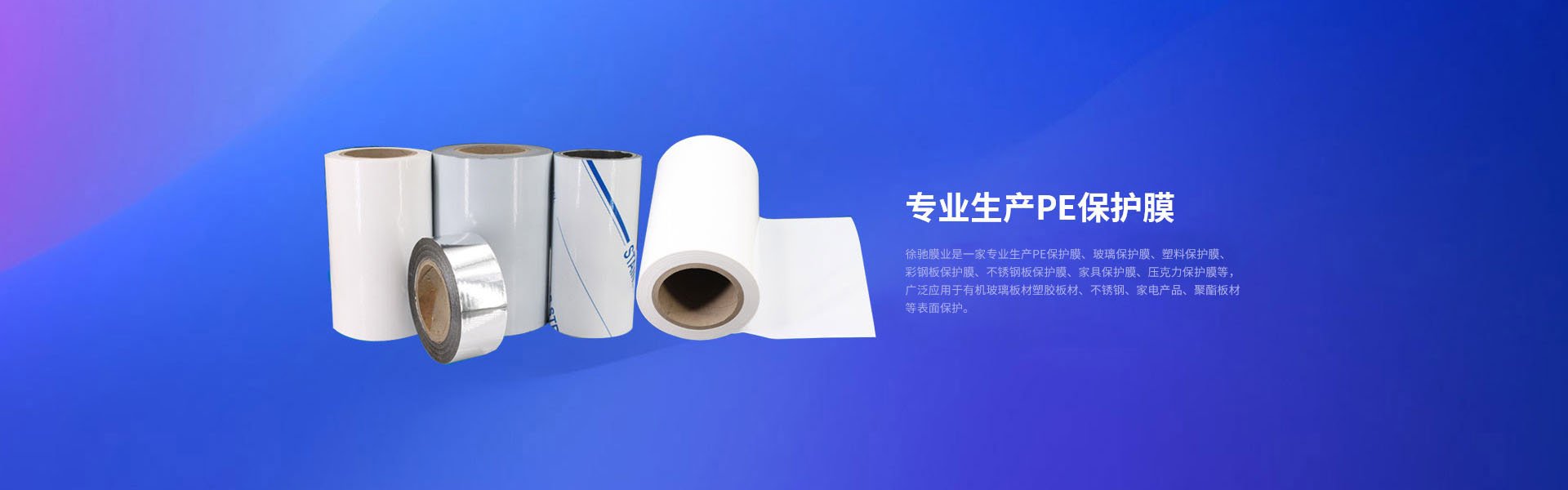
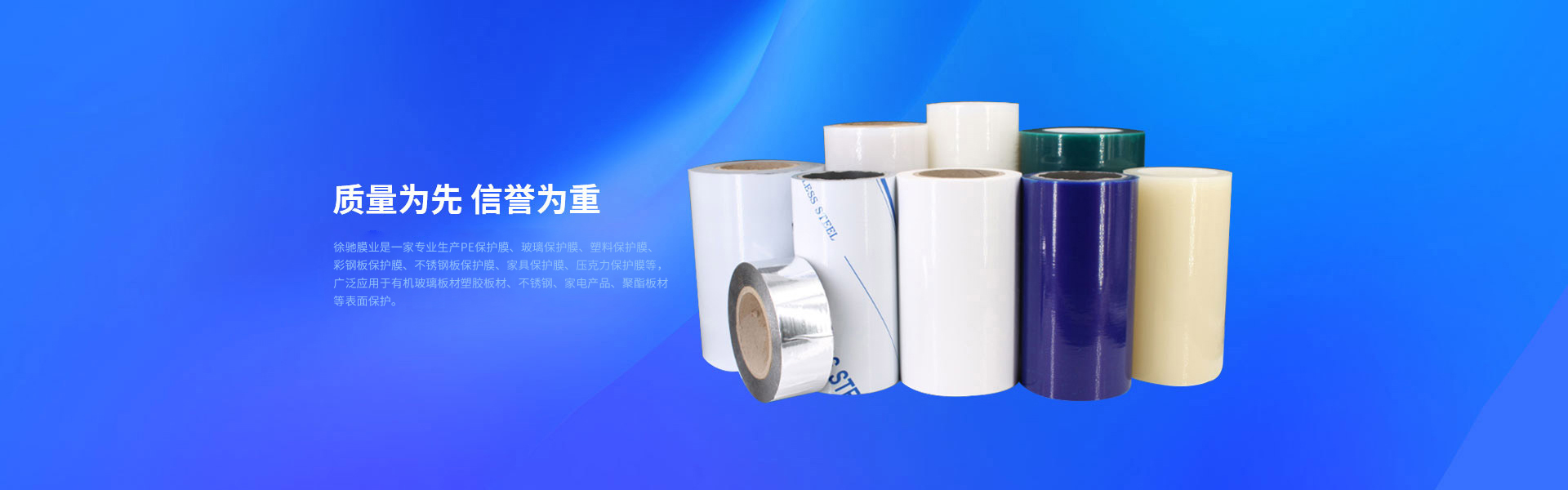

Protective films, widely used in various fields such as electronic devices and building materials, come in a variety of materials and characteristics. Here are some common types of protective film and their properties:
Polyester Film (PET): PET material boasts high strength, high transparency, and weather resistance, widely used as protective films for electronic products such as smartphone screens and displays. Its characteristics include:
Excellent tensile strength; not prone to cracking.
High transparency, without affecting the screen display quality.
Excellent weather resistance, anti-aging.
Easily processable, available in various thicknesses for protective films.
2. Polyvinyl Butyral (PVB): PVB material boasts excellent impact resistance, adhesion, and transparency, commonly used in safety glass for buildings and automotive glass. Its characteristics include:
High impact resistance, not prone to breaking.
Excellent adhesion for easy installation.
Highly transparent, without obstructing the view.
Excellent weather resistance, not prone to aging.
3. Ion Exchange Membranes: Known for their exceptional resistance to acids and alkalis, as well as electrochemical stability, ion exchange membranes are commonly used in battery and electrolysis industries. Their characteristics include:
Excellent acid and alkali resistance, suitable for use in strong acid and alkali environments.
Excellent electrochemical stability enhances battery longevity.
Easily processable, available in various thicknesses for film materials.
Excellent chemical stability; not easily degradable.
4. Polyimide (PI): PI material boasts high thermal resistance, chemical resistance, and weather resistance, commonly used in aerospace and other fields. Its characteristics include:
High-temperature resistance, suitable for use in high-heat environments.
Chemical resistance, resistant to a variety of chemicals.
Excellent weather resistance, resistant to aging.
Easily processable, available in various thicknesses for film materials.
In summary, protective film materials and their characteristics vary greatly, with the choice of the appropriate material depending on actual application requirements.
