
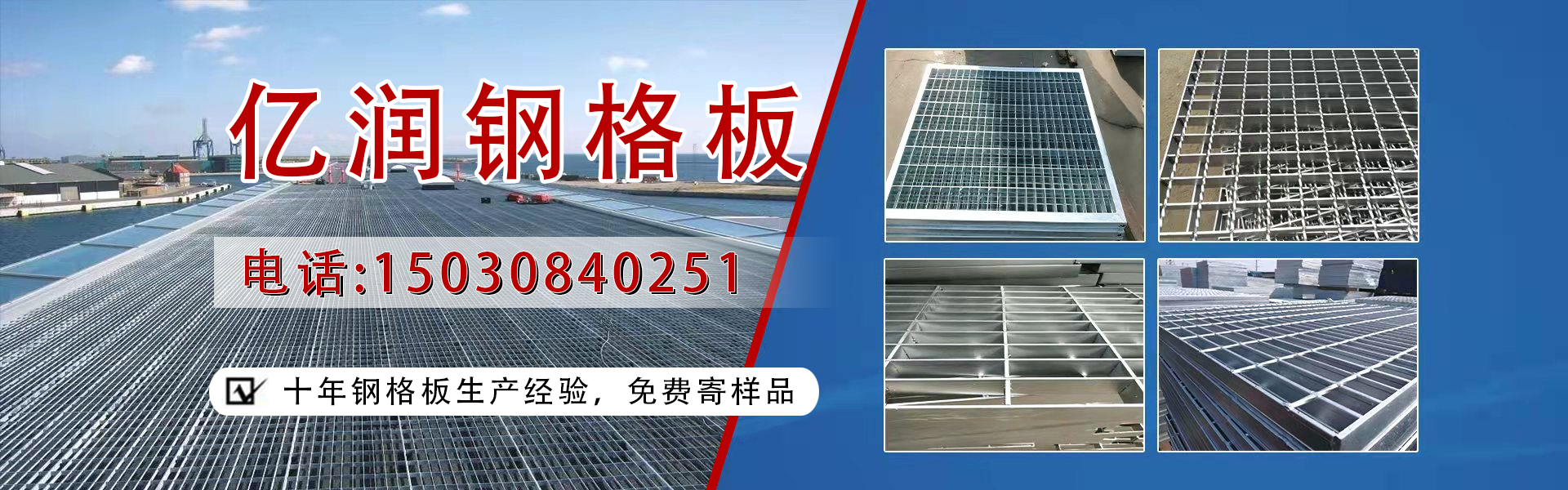
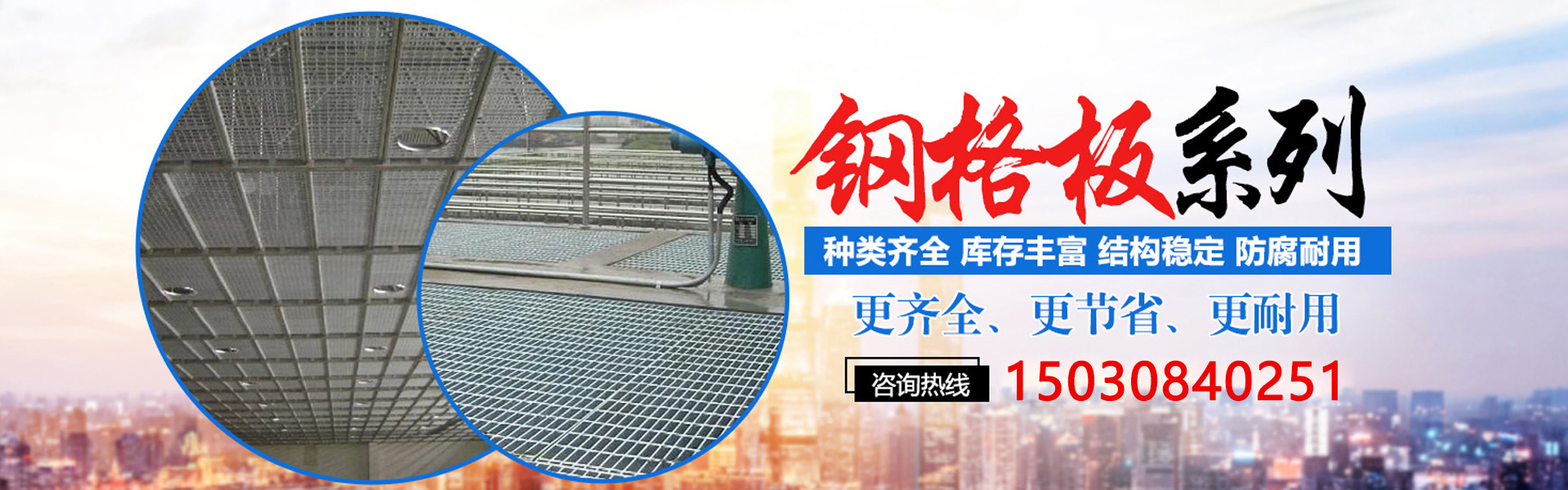
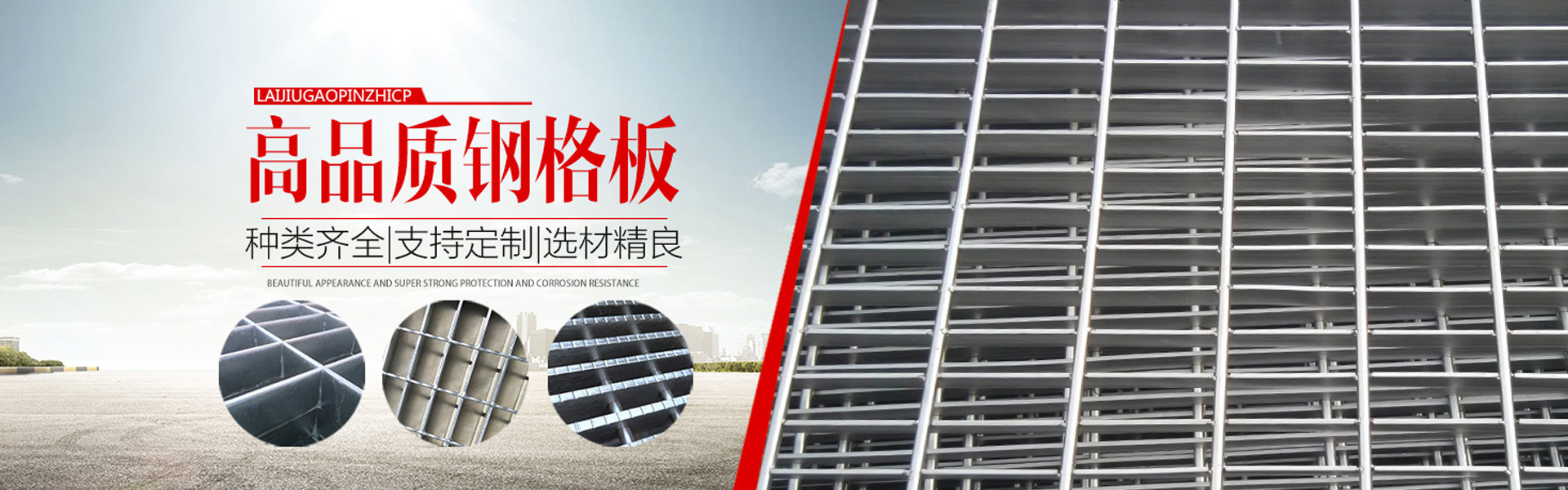
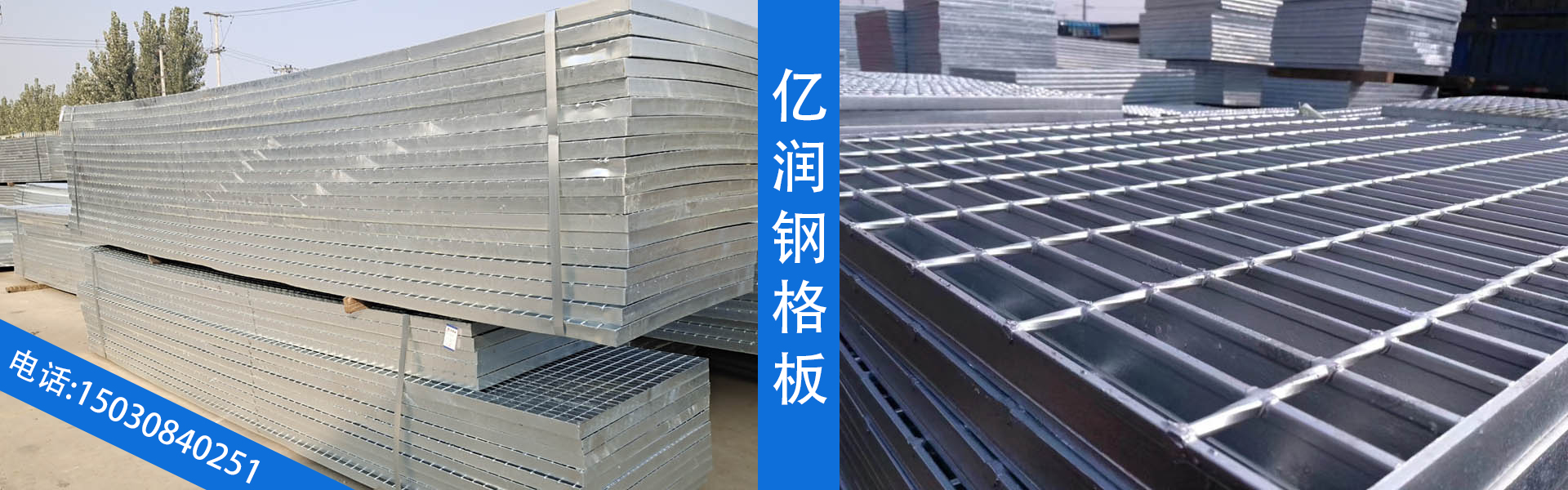
Hot-dip galvanized steel grating, also known as hot galvanizing, involves melting zinc ingots at high temperatures, adding some auxiliary materials, and then immersing the steel grating components into the galvanizing tank to coat them with a layer of zinc. The advantages of hot-dip galvanizing lie in its strong corrosion resistance and the good adhesion and hardness of the zinc coating. After galvanizing, the steel grating products gain weight, which is commonly referred to as the zinc coating amount.
The process of galvanizing involves the formation of an iron-zinc alloy between the iron substrate and the external pure zinc layer. The surface of the workpiece forms an iron-zinc alloy layer during the hot dip galvanizing process, which allows for a good bond between the iron and the pure zinc layer. When the iron workpiece is immersed in molten zinc, a zinc-α iron (body-centered) solid solution forms first at the interface. This is a crystal formed when zinc atoms are dissolved in the iron matrix metal in a solid state, with the two metal atoms fused together and exhibiting a relatively small interatomic attraction.
Therefore, when zinc reaches saturation in the solid solution, the atoms of zinc and iron mutually diffuse. The zinc atoms diffusing into the iron matrix migrate within the matrix lattice, gradually forming an alloy with iron. Meanwhile, the iron diffusing into the molten zinc forms the intermetallic compound FeZn13, which settles at the bottom of the hot-dip galvanizing pot, becoming zinc slag. Upon removal from the galvanizing bath, the workpiece's surface forms a layer of pure zinc, which is a hexagonal crystal.
Varying temperatures and insulation durations result in different iron dissolution amounts, or iron loss. Near 500°C, iron loss sharply increases with temperature rise and insulation time. Below or above the 480-510°C range, iron loss increases slowly over time. Therefore, the 480-510°C range is referred to as the harmful dissolution zone. Within this temperature range, the zinc liquid severely corrodes the workpiece and zinc pot. Iron loss significantly increases beyond 560°C, and above 660°C, zinc causes destructive corrosion on the iron matrix, leading to a rapid increase in zinc slag, making electroplating impossible.
