
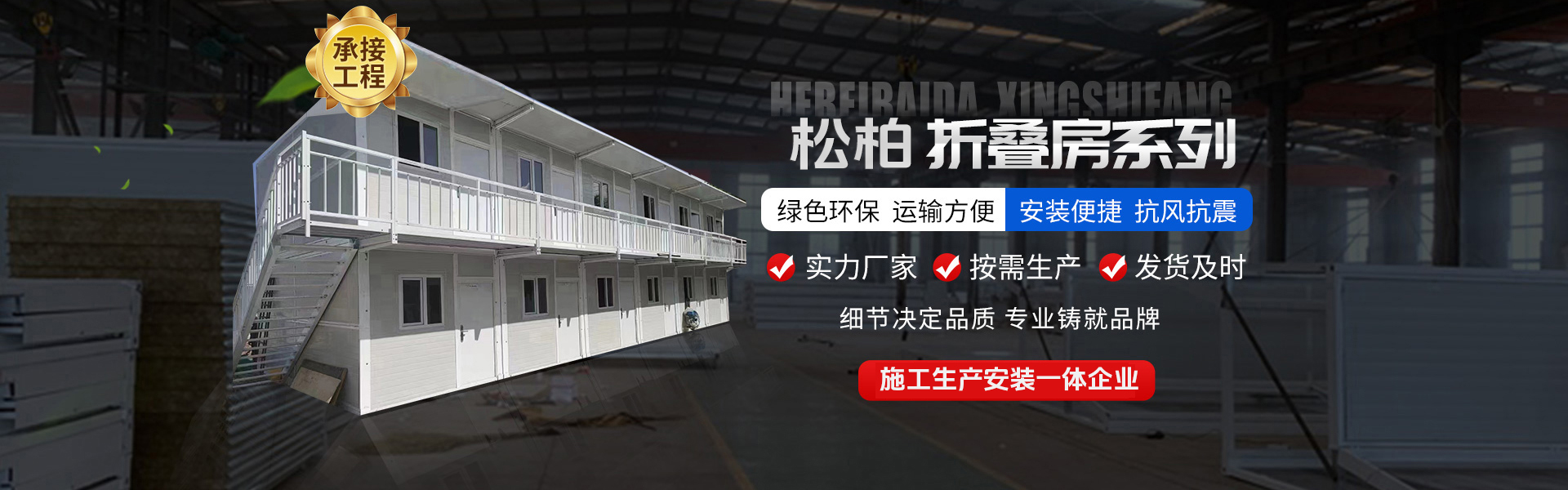
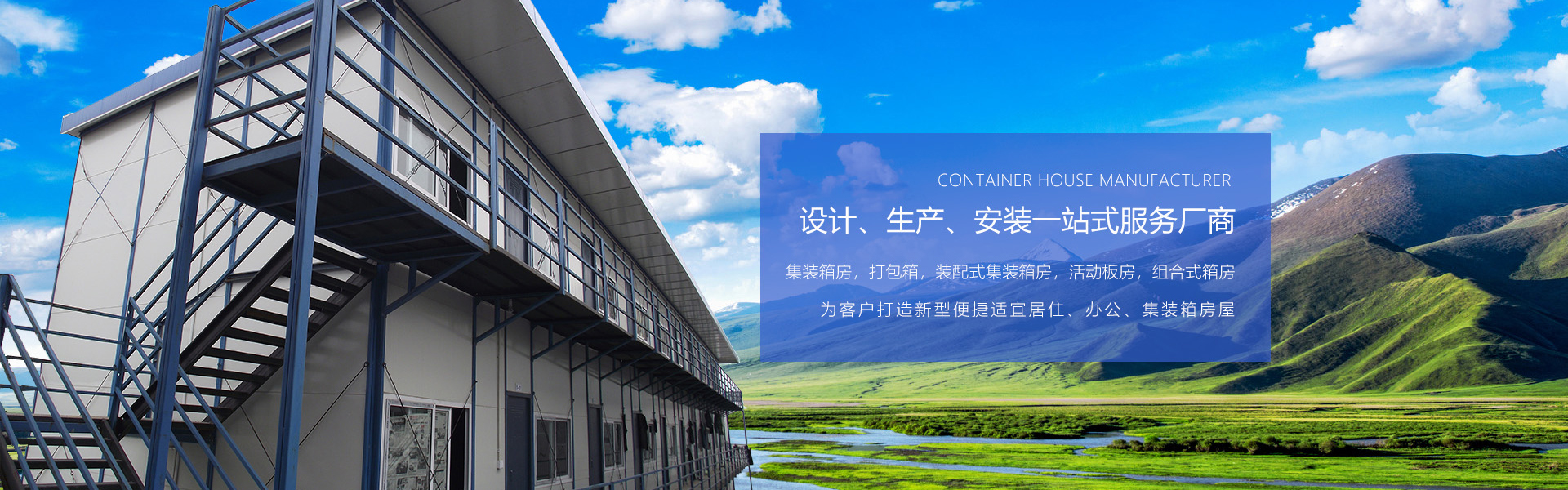
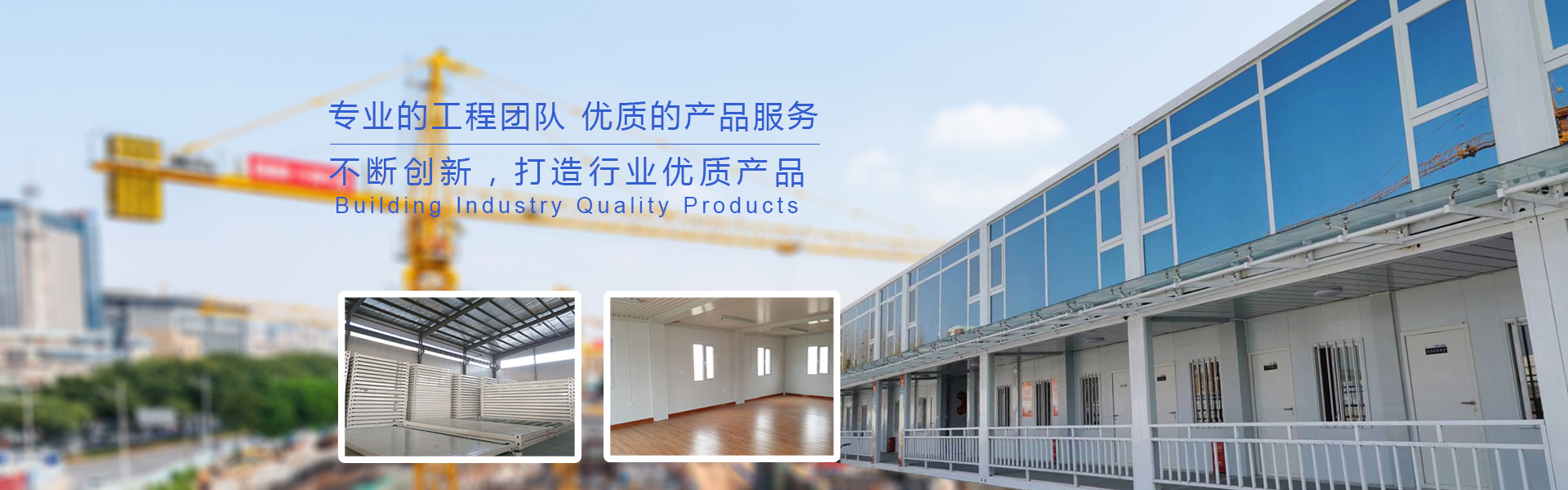

Quick-to-install and recyclable container housing is ideal for temporary accommodations. Various living forms such as container housing apartments, post-disaster housing, and portable container toilet units have been developed. Although container housing is temporary, it must possess functions like wind resistance, moisture-proofing, and thermal insulation to ensure comfort for residents. Below, the editor briefly discusses the precautions for container housing installation.
Basic Requirement One: Robust Structure. Safety is a top priority in all activities, especially for living spaces, where there is a high demand for security. As such, for inhabited container housing, the fundamental requirement is a robust structure to prevent any potential safety hazards.
Basic Requirement Two: Insulation Measures. Considering the technical materials used in the container housing are prone to heat conduction, they are likely to cause indoor temperatures to rise in summer and accelerate the cooling in winter. Therefore, users demand insulated living containers to ensure a stable and comfortable indoor temperature.
In terms of installation: Container houses can be lifted as whole units, constructed with concrete foundations, ready for occupancy in just one hour, and can be powered on for use; whereas the installation of modular buildings requires the construction of concrete foundations, erecting the main structure, installing walls, hanging ceilings, and setting up electricity and water supply, which takes a longer time.
Our container housing offers a more humane approach to living and working, allowing for flexible addition or reduction of rooms, while mobile units tend to have poor sound insulation and fire-resistant properties, with average quietness for living and working conditions. Once installed, they become fixed and cannot be easily modified for room additions or subtractions.
