
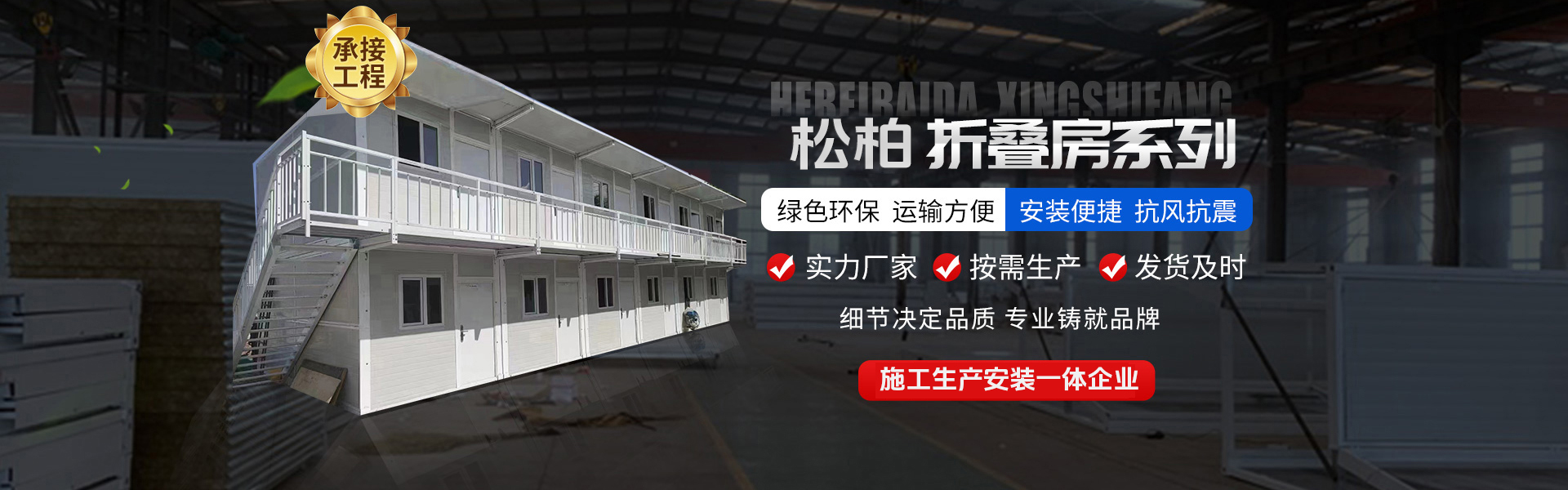
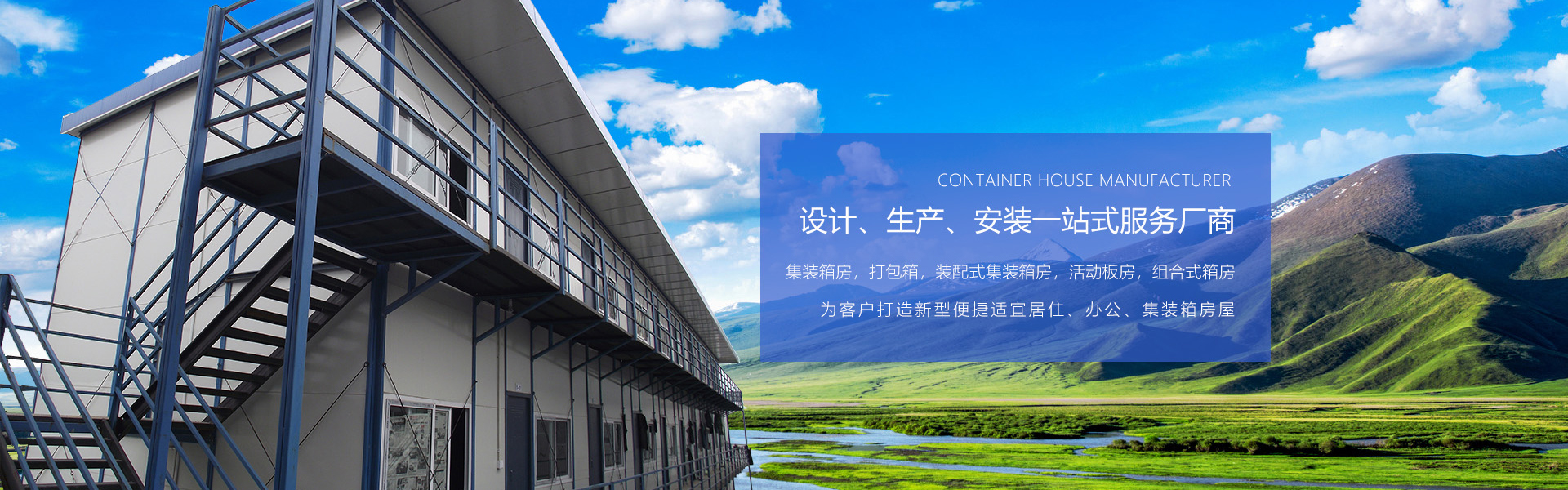
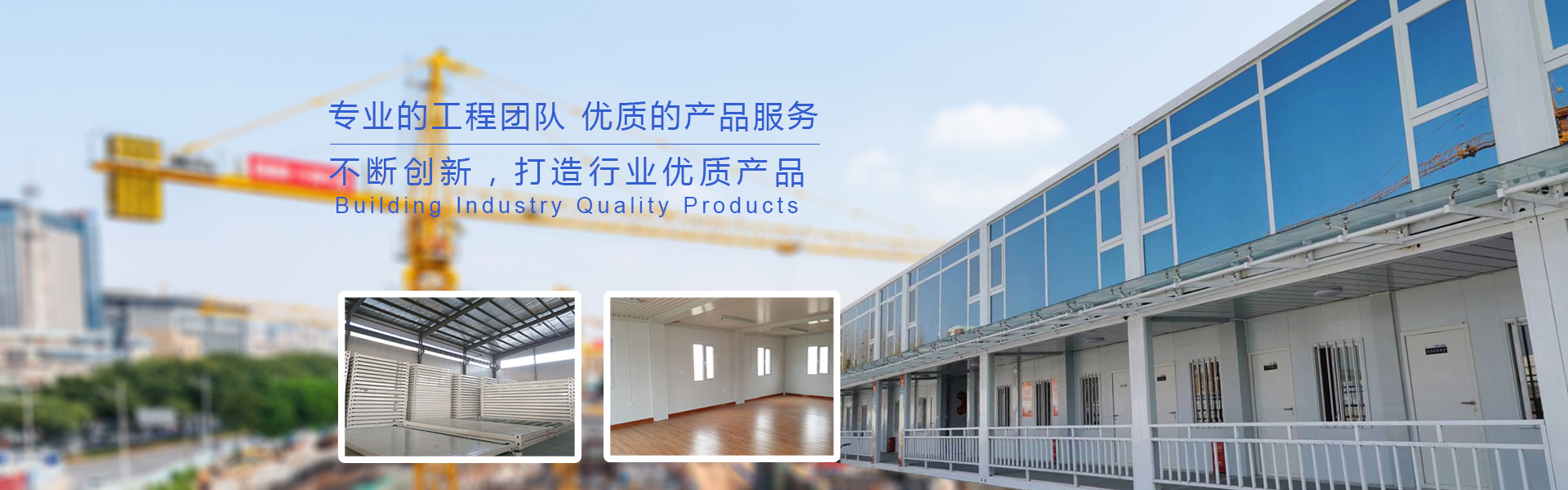

In recent years, prefabricated container housing has been gradually replacing traditional prefabricated houses and has gained high praise from the temporary construction industry. Witnessing the advantages of container housing, it is poised to become a substitute for conventional housing. However, some still view container housing not as trendy but as trash. What misconception has led to such an understanding? Do you share this misconception? Take a look and find out.
Misconception 1: Packaging containers are not durable.
Designs for packaging containers are inspired by shipping containers, with the purpose of ensuring goods remain intact during long-distance transportation. To protect the goods from extreme weather conditions or other adverse factors, high quality standards are required for the containers. Therefore, packaging containers inherit all the advantages of shipping containers, naturally sturdy and durable.
Myth Two: The cost of packaging containers is high.
Modular shipping containers can be easily transferred from one location to another, and some people believe that the cost of these units must be quite high. The appearance of modular shipping containers is simple, and their main structural components are made of materials like wood and steel, which are less costly than bricks. If users have minimal decoration requirements, they can simply move in with their belongings, thereby saving on renovation costs.
Misconception Three: Palletized containers are both rustic and monotonous.
When it comes to container housing, many people envision the temporary prefabricated structures commonly seen at construction sites—rude and makeshift. In fact, container housing is a different type of temporary building from mobile homes, and it is greatly favored by architects. Designers can assemble these container homes like building blocks, creating buildings of various styles that are both stylish and aesthetically pleasing without falling into the mundane.
