

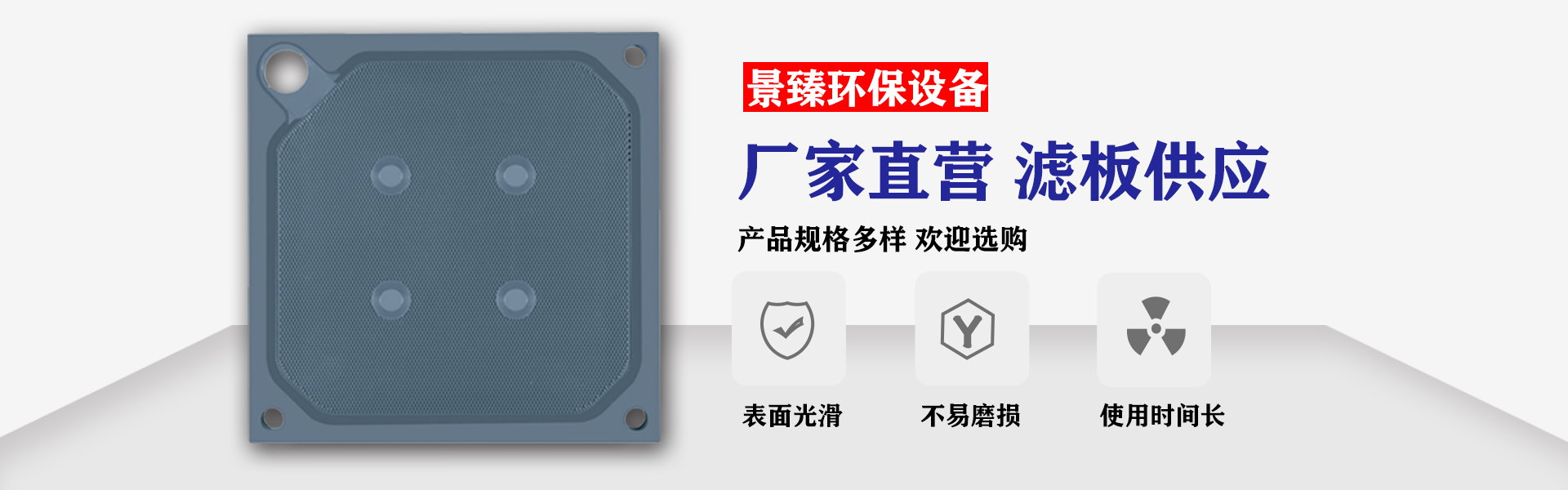

Diaphragm filter plates consist of two diaphragms and a core plate. External medium, such as water or compressed air, is introduced into the cavity between the core plate and the diaphragms, causing the diaphragms to bulge and compress the filter chamber formed by the diaphragm filter plates and box filter plates, thereby enhancing separation and increasing solid content. The diaphragms are the main moving components and are prone to deformation and damage due to repeated movement.
Diaphragm filter plates are categorized into rubber diaphragm filter plates and polypropylene diaphragm filter plates. The rubber diaphragm filter plates typically have their diaphragms embedded in the core plate grooves, making them easy to remove and replace. This is due to the high elasticity of the rubber diaphragms, which makes them less prone to damage. The polypropylene filter plate diaphragms are usually welded in a monolithic design, and the welded diaphragms cannot be replaced.
Diaphragm filter plate with short washing time
Inconsistent filter cake formation, such as due to wrinkling or cracking, can occur when using conventional filtering components, leading to uneven washing. JVK diaphragm filter plates avoid this inconsistency due to their gentle pressing action during the washing process. With a uniform capillary structure formed in the filter cake, the washing effect is excellent, and the consumption of washing liquid can be significantly reduced.

