
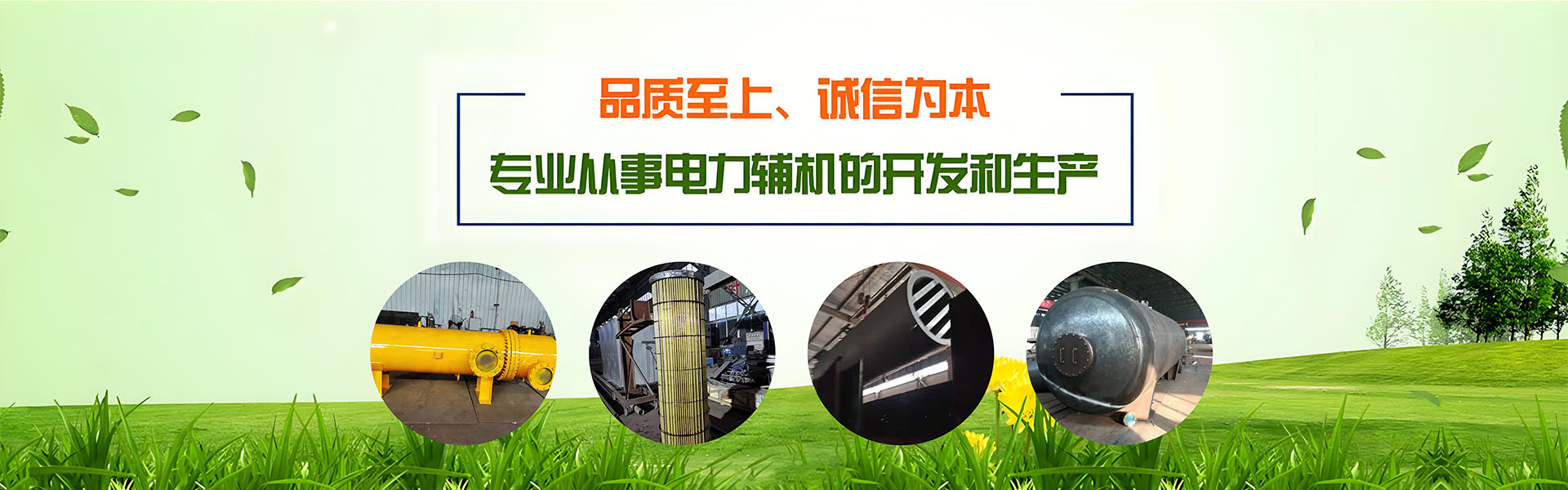

The cooler is an interfacial heat exchange device, with its core function being to transfer the heat from high-temperature lubricating oil/hydraulic oil to cooling water (or air) through solid heat exchange walls, thereby achieving oil temperature reduction and ensuring stable oil temperature for the lubrication and hydraulic systems.
Flow Process of Standard Shell-and-Tube Coolant Oil Coolers (Most Commonly Used)
Fluid Diversion
The high-temperature oil flows through the shell side (between the shell and the heat exchange tubes), while the cooling water flows through the tube side (within the tube bundle). The two media do not come into contact, heat exchange occurring solely through the tube walls.
Enhanced Heat Exchange
The internal installation of baffle plates forces the oil fluid to repeatedly zigzag and flush through the tubes, increasing the heat exchange area and turbulence, thereby enhancing the heat exchange efficiency.
Heat Transfer
The heat from the hot oil is transferred to the low-temperature cooling water through the wall of the heat exchanger tube. The cooling water carries away the heat and discharges it, while the oil, after being cooled, returns to the equipment's lubrication/hydraulic system.
Temperature Control Adjustment
By adjusting the inflow rate of cooling water or valve opening, the oil outlet temperature is controlled within the standard range (typically 35~45℃).
Principles of Other Type Cool Oil Coolers
Plate-type Oil Cooler: Utilizes corrugated metal plate stacks, with oil and cooling water alternating flows on both sides of the plates, featuring a thin liquid layer + turbulent design, providing higher heat exchange efficiency than shell-and-tube types.
Air-Cooled Oil Cooler: Replacing cooling water with forced airflow, the cooler removes heat from the oil film on the finned tube bundle by blowing air through a fan, suitable for conditions where water is scarce or not easily accessible. Working principle of the oil cooler
The cooler is a type of interfacial heat exchange equipment, its core function is to transfer the heat from high-temperature lubricating oil/hydraulic oil to cooling water (or air) through solid heat exchange walls, thereby cooling the oil and ensuring stable oil temperatures in the lubrication and hydraulic systems.
The Standard Shell-and-Tube Coolant Oil Cooler Operating Process (Most Commonly Used)
Fluid Diversion
The high-temperature oil flows through the shell side (between the shell and the heat exchange tubes), while the cooling water flows through the tube side (within the heat exchange tube bundle). The two mediums do not come into contact, exchanging heat only through the tube walls.
Enhanced Heat Exchange
The internal installation of baffle plates forces the oil fluid to repeatedly zigzag and rinse the tube bundles, increasing the heat exchange area and turbulence, thereby enhancing the heat exchange efficiency.
Heat Transfer
The heat from the high-temperature oil is conducted through the wall of the heat exchanger tube to the low-temperature cooling water, which carries away the heat and exhausts it. The cooled oil then returns to the equipment's lubrication/hydraulic system.
Temperature Control Adjustment
By adjusting the inflow rate of cooling water or valve opening, the oil outlet temperature is controlled within the standard range (typically 35~45℃).
Principles of Other Types of Cold Oil Coolers
Plate-type Oil Cooler: Utilizing corrugated metal plate stacks, oil and cooling water alternately flow through channels on both sides of the plates, featuring a thin liquid layer + turbulent design, with higher heat exchange efficiency than shell-and-tube type.
Air-Cooled Oil Coolers: Replace cooling water with forced airflow, using a fan to blow away the oil heat from the finned tube bundle, suitable for situations where water is scarce or not readily available.