
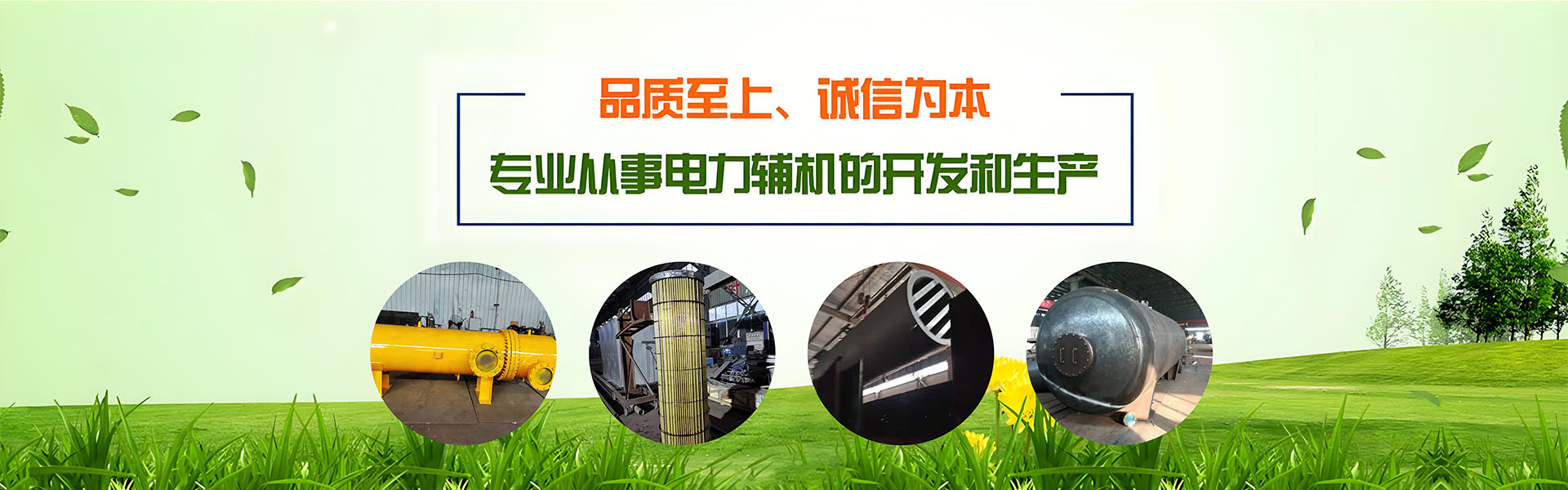

The Fine/Coarse Separator utilizes the triple forces of centrifugal force, air-lift force, and gravity to achieve particle grading, separating the mixed powder after grinding into qualified fine powder and coarse powder requiring re-grinding. The main types are static baffle and dynamic drum separators, with the principles as follows:
I. General Basic Principles (common to all types)
Gas powder mixture enters
The gas-solid two-phase flow (including coarse and fine powder) from the mill enters the separator, first completing an initial diffusion.
Gravity Pre-Separation
Large granular coarse powder has a higher weight, which directly settles to the lower conical hopper and enters the return powder channel to return to the mill.
Centrifugal / Vortex Separation
The airflow carries the remaining powder to form a rotating flow field internally.
Coarse powder: with high quality and centrifugal inertia, it settles towards the wall of the separator.
Fine powder: Due to its small size, it is lifted and carried by air currents, then processed through a grading area to become finished product.
Gas and powder separation discharge
Fine powder is carried away by the air flow and collected by the subsequent dust collector; coarse powder is gathered and returned to the mill for re-grinding.
Static Baffle Type (commonly used in old-style coal powder separators in power plants)
Structure: Inner Conical Tube + Adjustable Axial/Tangential Baffles
Gas powder flow impacts the baffle, forming a vortex and slowing down.
Coarse powder is propelled towards the wall by centrifugal force, sliding down to the return powder inlet.
Fine powder flows through the gap between baffles and is discharged from the upper outlet.
Adjusting the baffle angle can change the gradation fineness.
Dynamic Transfer Tower (Mainstream of High-Efficiency Sifting Machine)
Structure: Variable Frequency Motor Drive, Turntable转子, Spreading Disc, and Secondary Air Washing
Material Spreading: Materials fall onto the high-speed spreading tray and are evenly scattered to form a material curtain.
Rotor Grading: The rotating drum generates a forced vortex field, allowing only fine particles smaller than the cut size to pass through the gaps between the drum's blades.
Secondary Cleaning: The lower secondary airflow washes the falling coarse powder, separating the fine powder again, enhancing the grading efficiency.
Fine powder is discharged through the center of the cyclone with the air flow, while coarse powder falls into the conical hopper for re-grinding.
IV. Impact of Core Parameters on Separation Effect
Cutting Speed / Baffle Angle: Higher speed / tighter baffles result in smaller particle size and finer finished product.
System Airflow: Excessive airflow may carry coarse powder, while insufficient airflow fails to separate fine powder thoroughly.
Material Moisture: Excessive moisture can lead to sticking and clumping, reducing the grading accuracy.