
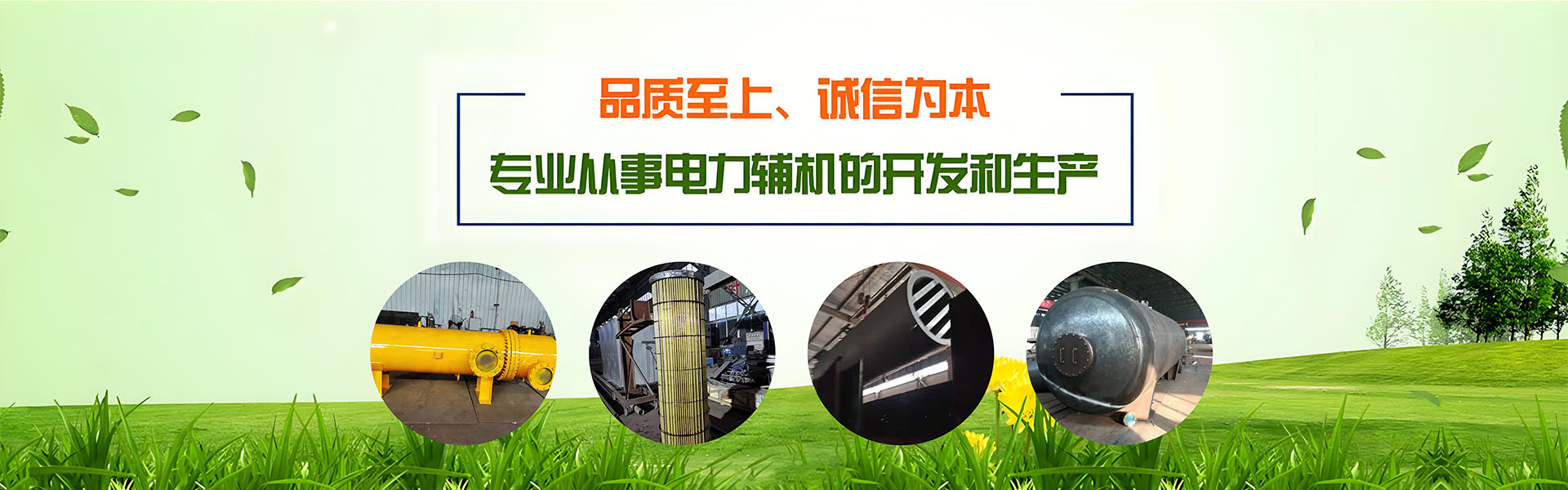

The maintenance of cool oil separators focuses on preventing blockages, leaks, mixing of oil and water, and corrosion and scaling. It is categorized into daily inspections, regular maintenance, shutdown maintenance, and fault handling, suitable for industrial scenarios such as power plants, metallurgy, and petrochemicals.
Routine Inspections and Maintenance (per shift / per day)
Operation Parameters Monitoring
Record incoming/outgoing oil and water temperatures; immediately investigate any abnormal temperature differences.
Monitor oil and water side pressures, supervise the difference between fuel supply pressure and coolant water pressure, and prevent abnormal pressure differences between oil and water from causing cross-leakage.
Monitor for any abnormal vibrations or noises, and investigate loose casings or flanges.
Leak Inspection
Inspect end caps, flanges, and joint connections for oil and water leakage; upon discovery of seal point leaks, promptly tighten.
Check for water in the fuel tank (emulsified oil turning white), and if coolant is contaminated with oil, quickly determine if there is damage to the tubes or plates.
Subsidiary Component Inspection
Air-cooled Oil Cooler: Confirm fan speed, no debris blocking the fins, motor temperature is normal.
Water Side Pipeline: Inspect filter and valve operation to ensure unobstructed cooling water flow.
Regular maintenance (monthly/quarterly/annual)
1. Monthly Maintenance
Pre-filter the cooling water to remove impurities and silt, preventing internal blockages in the cool oiler.
Re-tighten flange bolts and tube box/plate clamping bolts to eliminate seal relaxation caused by thermal expansion and contraction.
The air-cooled type cleans the surface of the fin to remove dust and debris, maintaining ventilation and heat dissipation efficiency.
Quarterly maintenance
Inspect oil quality, check for emulsification and oxidation deterioration, and simultaneously investigate the risk of cold oil cooler leakage.
Test the flexibility of the temperature control valve and the cooling water regulating valve to ensure precise temperature control.
Perform water-side balling/ backwashing on the shell-and-tube heat exchanger to preliminarily remove soft scale from the tube walls.
3. Annual Major Maintenance and Repair (Core Maintenance)
Shell and Tube Oil Cooler
Unboxing the head, cleaning with high-pressure water jet / chemical acid pickling to remove scale; clearing hard scale and rust.
Perform water pressure tests on a per-tube basis, detect and plug leaks, or replace damaged heat exchange tubes.
Replace the sealing washer, grind the sealing surface, reassemble and test pressure according to the design pressure.
Shell surface is rust-removing, anti-corrosion, and painted; check the integrity of the bracket and hanger structure.
Plate-type Cold Oil Cooler
Loosen the tension bolts, disassemble the plates, and perform high-pressure water cleaning and chemical descaling.
Inspect for warping, perforations on plates, replace aged rubber strips, and broken plates.
Re-tighten the plates to the specified dimensions to prevent over-pressure or excessive gaps.
Perform hydraulic and airtightness tests to ensure no leaks.
Air-cooled Oil Cooler
Wind turbine motor disassembly, maintenance, and lubricant replacement.
Flake depth cleaning, correcting deformed flakes.
Secure the fan foundation and tube restraint components to eliminate vibration hazards.
Long-term Shutdown / Winter Maintenance
Completely drain residual oil from the oil side and cooling water from the water side to prevent cracking of the tubes or plates due to freezing.
Dry air is blown through the oil and water sides to sweep, seal all pipe openings, and take measures to prevent dampness and corrosion.
The plate-type cold oil cooler can moderately release the plate pressure, ensuring the rubber pads remain deformation-free for a long time.
Prior to re-commissioning, conduct water pressure and air tightness tests, followed by a gradual increase in temperature and pressure.
Section 4: Key Maintenance Taboos and Precautions
Cleaning agents must be compatible with materials; strong acids and alkalis are prohibited from corroding heat exchanger tubes and plates.
Prohibit operation beyond pressure and temperature limits to prevent seal failure and tube burst.
Maintain oil pressure slightly above water pressure to prioritize the prevention of coolant seeping into the oil system.
The equipment must pass a pressure test after cleaning before it can be integrated into the lubrication system for operation.