
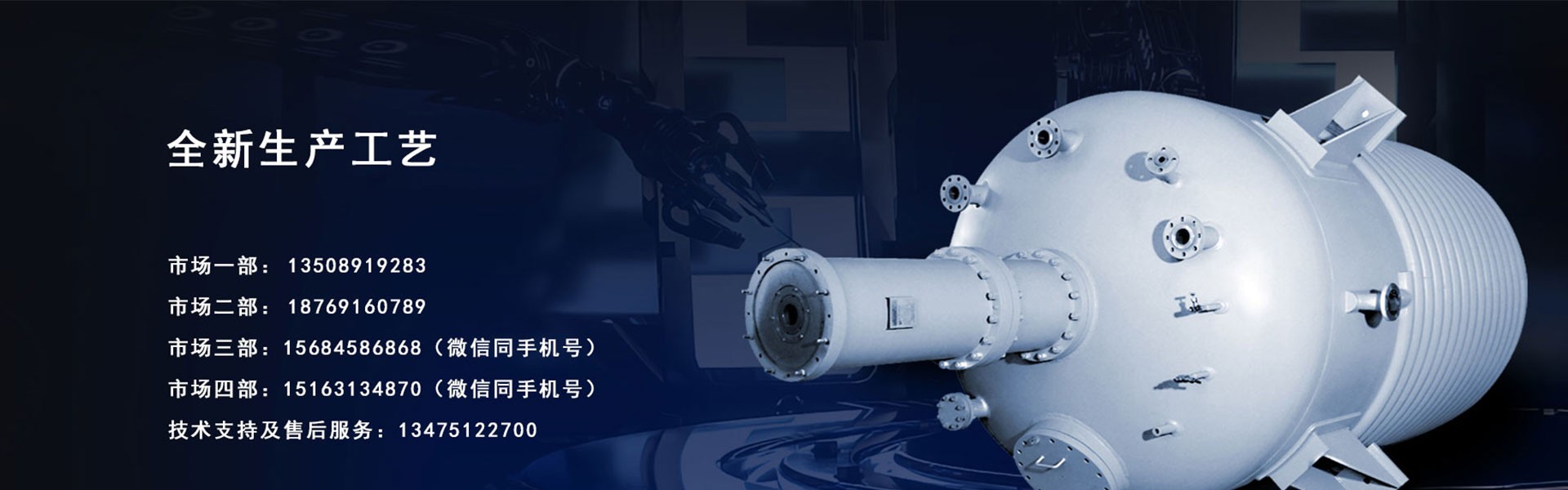


The reactor features high-temperature resistance, corrosion resistance, and strong production capacity, and is widely used in industries such as chemicals, pigments, resins, and scientific research.
When using a reactor, it is essential to close the cold medium inlet valve, drain the remaining cold medium from inside the pot and jacket, then introduce the material, start the stirrer, and finally open the steam valve and electricity.
Once the desired temperature is reached, the steam valve and electric heating power should be closed first. After 2-3 minutes, the stirrer can then be turned off. After the processing is completed, release any remaining condensate water from the pot and jacket.
Rinse the area immediately with warm water, scrub off the adhered material, then clean the inside of the container with alkaline water at 40℃ to 50℃, followed by a rinse with clean water. Ensure the pot is empty of material (heat transfer medium) before cleaning.
Under no circumstances should the steam valve and electrical heating power be turned on. Pay special attention to the steam pressure, which must not exceed the rated working pressure.
So, how should a reactor be maintained? It is important to regularly monitor the overall condition of the reactor and the reducer. If there is insufficient lubricating oil for the reducer, it should be replenished immediately. Electrical heating...
Medium oil should be changed every six months. Safety valves, pressure gauges, distillation holes, electric heating rods, electrical instruments, and other parts such as jacketed and kettle covers should be inspected regularly. In case of any malfunctions, they should be addressed immediately.
When changing or repairing the equipment, ensure that the outer and inner walls of the container are cleaned with warm water when not in use. Regularly wipe the pot body to maintain its cleanliness and the interior luster, aiming for durability.
