



The temperature sensors used in air conditioners primarily employ Negative Temperature Coefficient thermistors, also known as NTC thermistors. These sensors are manufactured using ceramic techniques with manganese, cobalt, nickel, and copper metal oxides as their primary materials. These metal oxide materials all possess semiconductor properties, as they conduct electricity in a manner similar to semiconductor materials like germanium and silicon.
At low temperatures, the number of carriers (electrons and holes) in these metal oxide materials is low, thus their resistivity is also higher; as the temperature rises, the number of carriers increases, leading to a decrease in resistivity. The resistivity of the material changes with temperature fluctuations. An increase in temperature results in a lower resistivity, while a decrease in temperature leads to a higher resistivity.
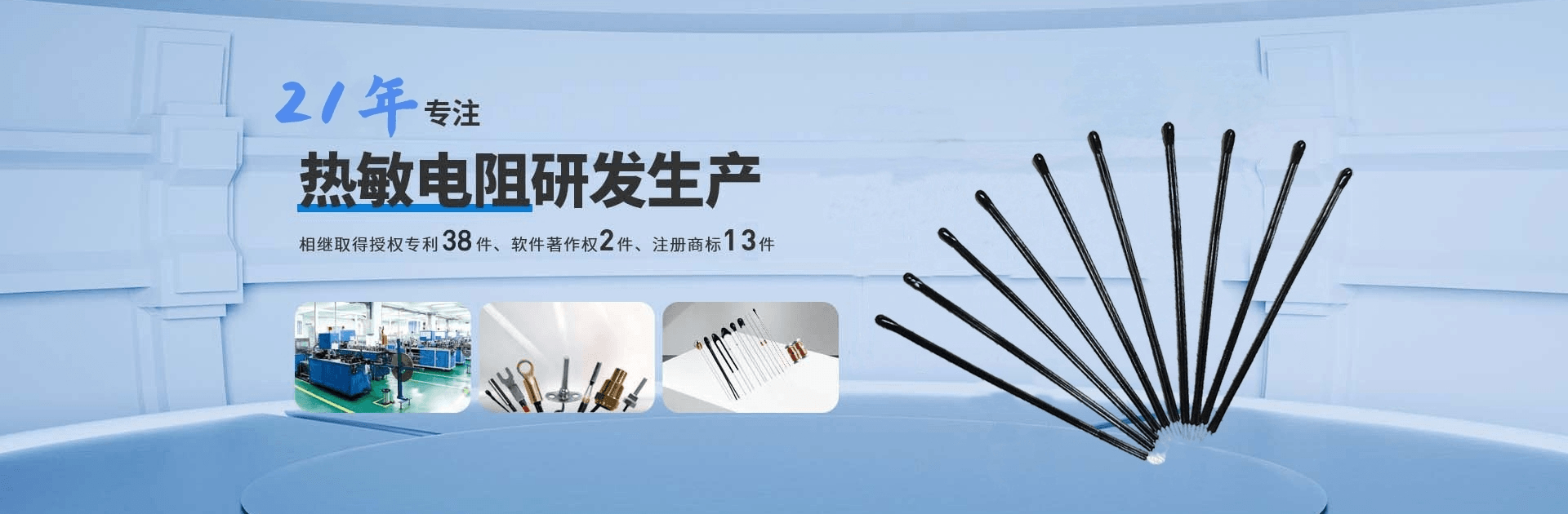
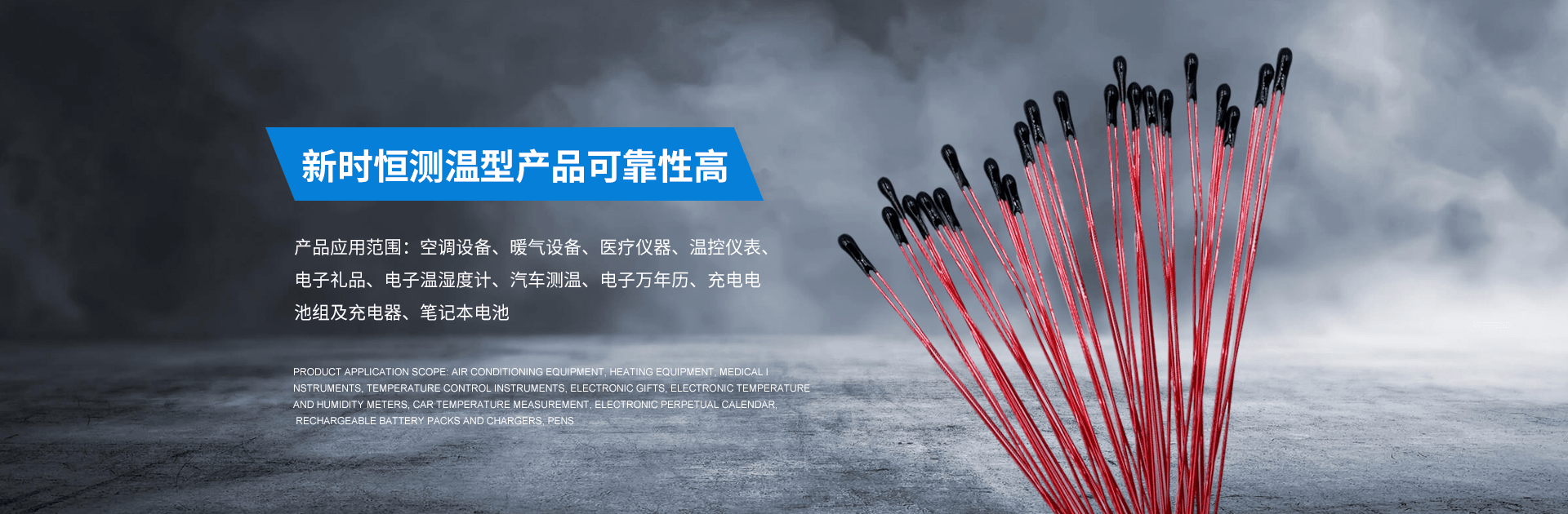
Air conditioning temperature sensors come in two styles: copper-headed and rubber-headed. The copper-headed sensors are primarily used for measuring pipeline temperatures, while the rubber-headed sensors are mainly used for measuring air temperatures. Specific applications of air conditioning temperature sensors are as follows:
Compressor Bottom Temperature Sensor
The compressor bottom temperature is primarily used for detection; a low temperature might indicate refrigerant return, while a high temperature could suggest insufficient refrigerant. Therefore, a sensor is required for detection and control at the compressor bottom.
Exhaust Temperature Sensor
Installed at the exhaust outlet of compressors, it is used to detect the compressor exhaust temperature for system control and protection.
3. Regas Temperature Sensor
Monitor the return gas temperature of compressors to ensure the refrigerant returning to the compressor is superheated steam, preventing liquid return to the compressor.
4. Thermal junction temperature sensor
Outdoor unit condensers and indoor unit evaporators. Typically, there are two condensers, placed at the inlet and outlet. The evaporators usually consist of three parts, located at the inlet, mid-section, and outlet. Their primary function is to control superheat by monitoring the temperature difference between the inlet and outlet of the heat exchange, thereby regulating the opening of the electronic expansion valve.
6. Environmental Temperature Sensor
Indoor and outdoor environmental temperature detection: The indoor environmental temperature sensor primarily controls the on/off of the indoor unit, shutting it down when the ambient temperature reaches the set temperature. The outdoor environmental temperature sensor mainly detects the outdoor ambient temperature, controlling and protecting the unit.
7. Other Temperature Sensors
Additionally, the system includes various types of sensors such as overcooling coil sensors (including outlet and return air ports), power crystal module sensors, and exhaust air temperature sensors.
