


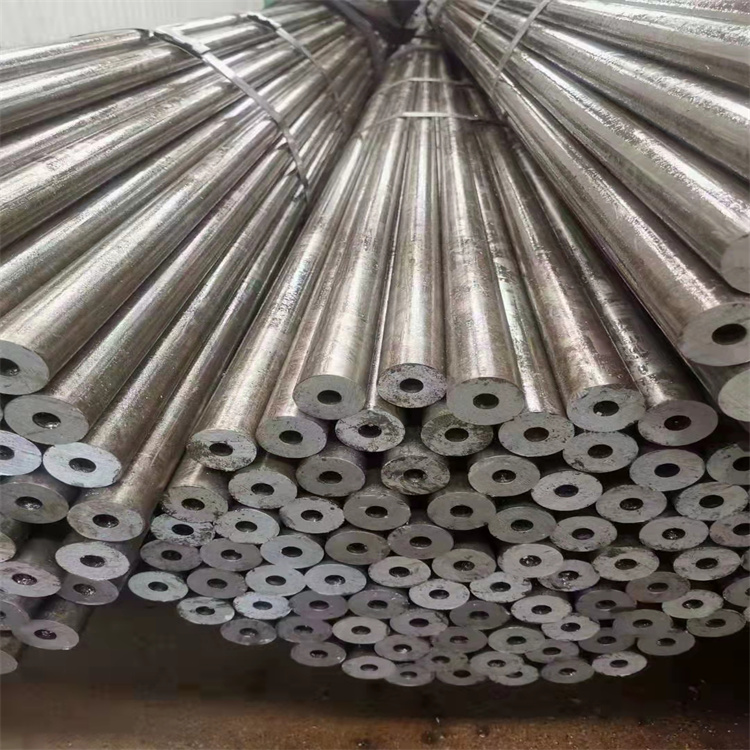
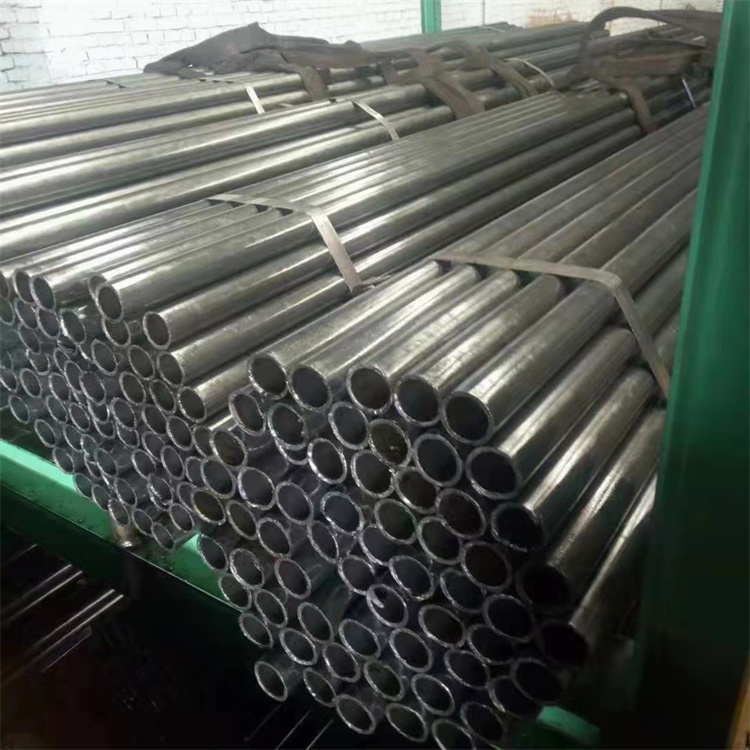
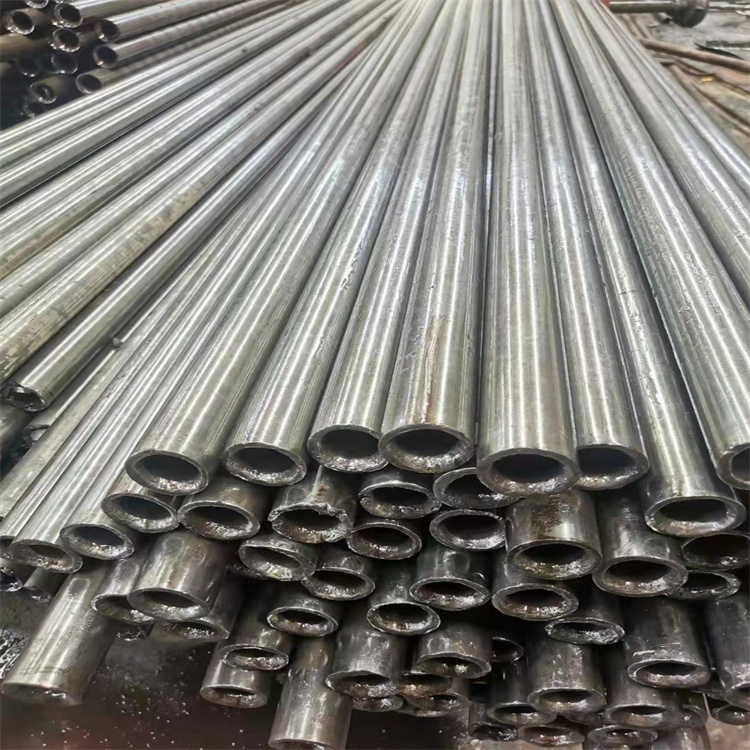
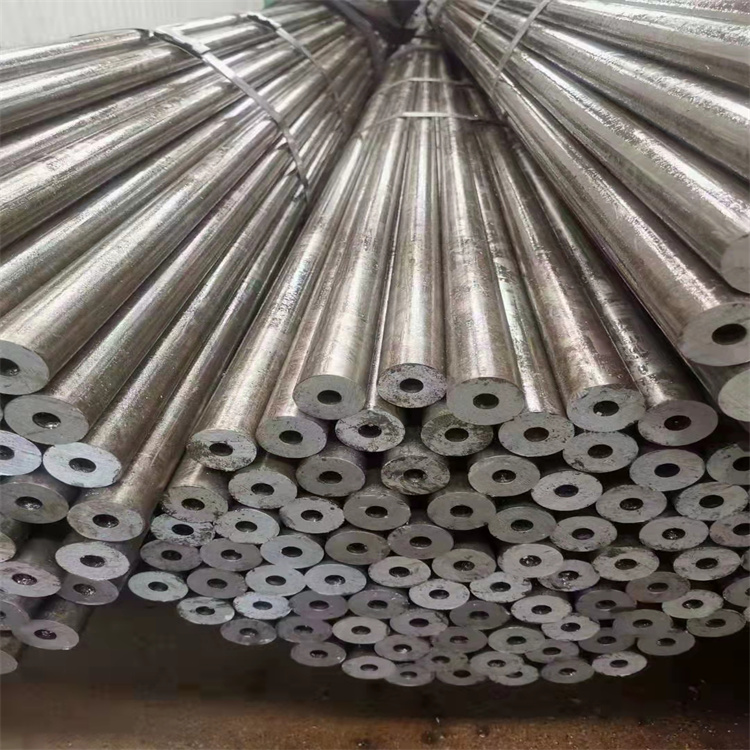
The surface quality is crucial for the application of precision tubes. There are several methods to inspect the surface quality, so how should the quality of the precision tube surface be checked? The following are several ways shared by precision tube manufacturers, which interested parties can learn about in full.
One, Ultrasonic Testing (UT): This inspection method is suitable for testing the surface and internal cracks of various uniform raw materials, and it is particularly sensitive to the detection of such defects.
Two, Eddy Current Testing (ET): Primarily used for inspecting pinpoint defects.
Three, Magnetic Particle Inspection (MPI) and Flux Leakage Inspection: These methods are primarily suitable for inspecting surface and near-surface issues of ferromagnetic materials.
Four: Magnetic Induction Ultrasonic Detection: This method is primarily used for surface flaw detection on high-temperature, rapid, and rough seamless steel pipes.
V. Penetration Testing for Inspection: This method is primarily used to detect surface defects in the manufacturers of large-diameter precision pipes.
