


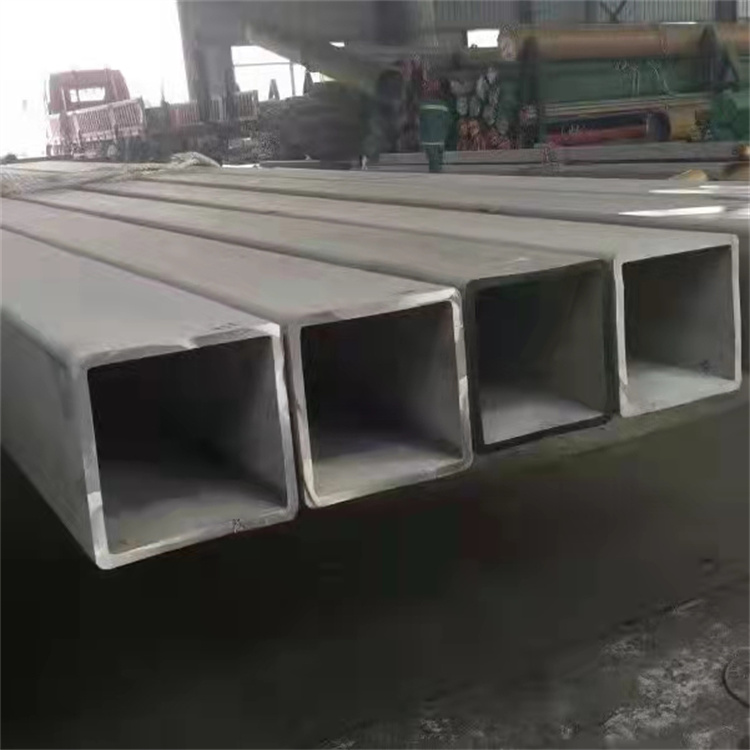


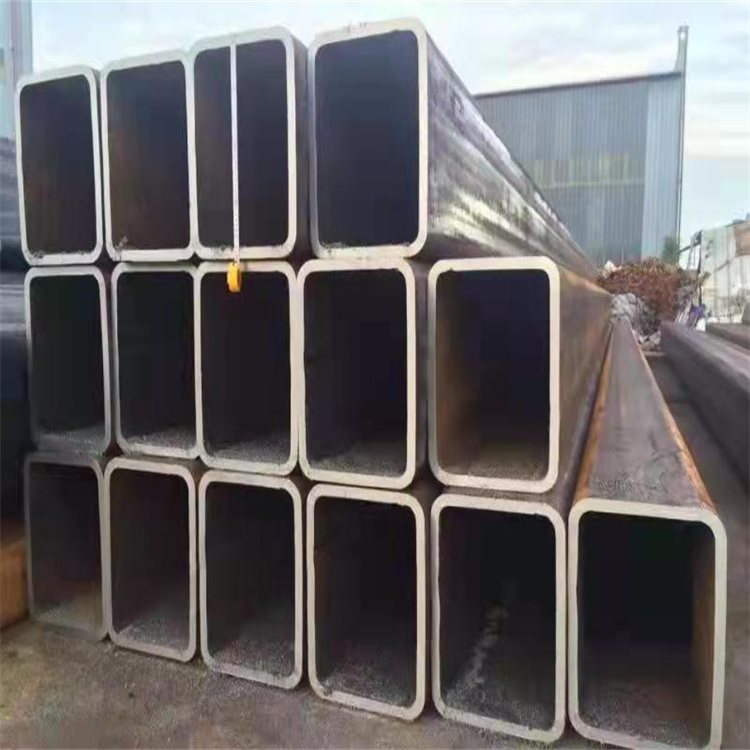
Manufacturers often encounter gaps during the electric welding process of small-diameter seamless square tubes. To better prevent such issues from occurring, let's understand how to solve this problem below.
1. First, adjust the electric welding temperature for small diameter seamless square tubes: Understand that the electric welding temperature is primarily affected by the high-frequency eddy current heat power, and the welding temperature can also be controlled by adjusting the welding speed. When the input heat is insufficient, the heated welding edge does not reach the welding temperature, and the metal material remains in a solid state, causing incomplete welding or lack of penetration. When the input heat is insufficient, the heated welding edge exceeds the welding temperature, leading to coarse crystals or droplets, causing welding holes.
2. Another factor is the control of extrusion pressure for small-diameter seamless square tubes. After the two edges of the billet are heated to the welding temperature, under the pressure of the extrusion rolls, the metal materials crystallize and infiltrate each other, ultimately forming a firm weld. If the extrusion pressure is too low, the number of crystalline bodies formed is small, and the tensile strength of the welding metal will decrease, leading to cracking. If the extrusion pressure is too high, it may cause the molten metal to be extruded and welded, not only reducing the tensile strength of the weld but also producing many internal and external burrs, and even causing welding seams and other defects. Monitoring the position of the high-frequency electromagnetic coil.
