





Raw Material Preparation
Selecting the appropriate rock grains or mineral wool as raw materials, which typically include basic basalt, slag, quartz, and ceramics, etc.
2. Rock melt
The raw rock particles or mineral wool are placed into a high-temperature furnace to be melted, transforming them into lava. The melting temperature is typically controlled between 1350℃ and 1500℃.
Fiberization
Through high-speed jetting or centrifugal force, lava is transformed into fibrous form, while simultaneously stretching and reinforcing the fibers to create fiberized rock wool.
Cutting and shaping
The fibrous rock wool is cut into appropriately sized blocks. Subsequently, these blocks are pressed into sheets, pipes, or other shapes using molds.
5. Solidification and shaping
The cut and shaped rock wool boards or pipes are placed into curing equipment for solidification and shaping treatment to achieve certain strength and stability.
6. Processing and Surface Treatment
We process rock wool boards or pipes as required, including cutting, drilling, and adhesive application. Additionally, we perform surface treatments on the rock wool, such as coating and film covering, to enhance its waterproofing, fire resistance, and corrosion resistance properties.
7. Add waterproofing agent
During the rock wool production process, high-efficiency water-repellent agents, such as silicone emulsion water-repellents, can be added to significantly reduce the water absorption of ordinary rock wool products and enhance their water-repellency.
Packaging and Storage
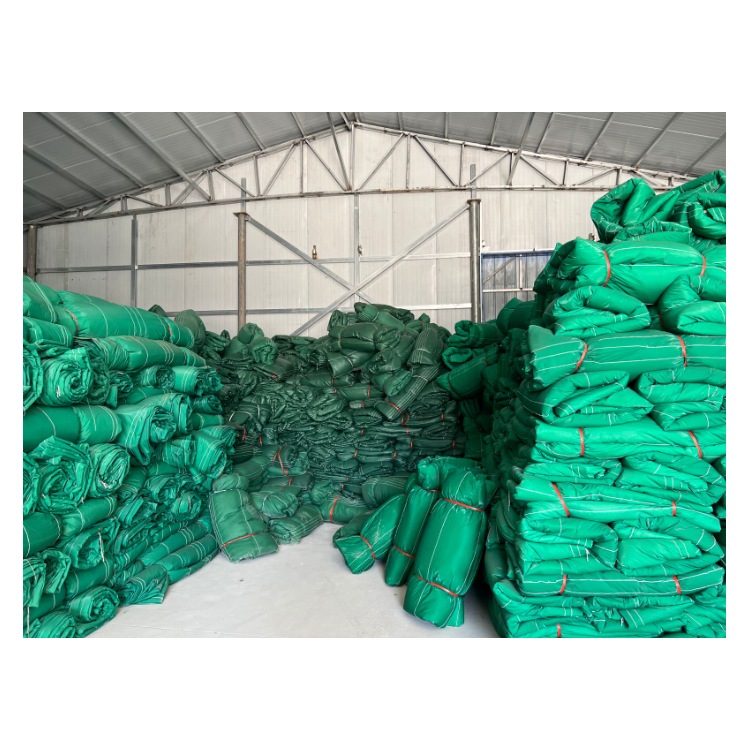
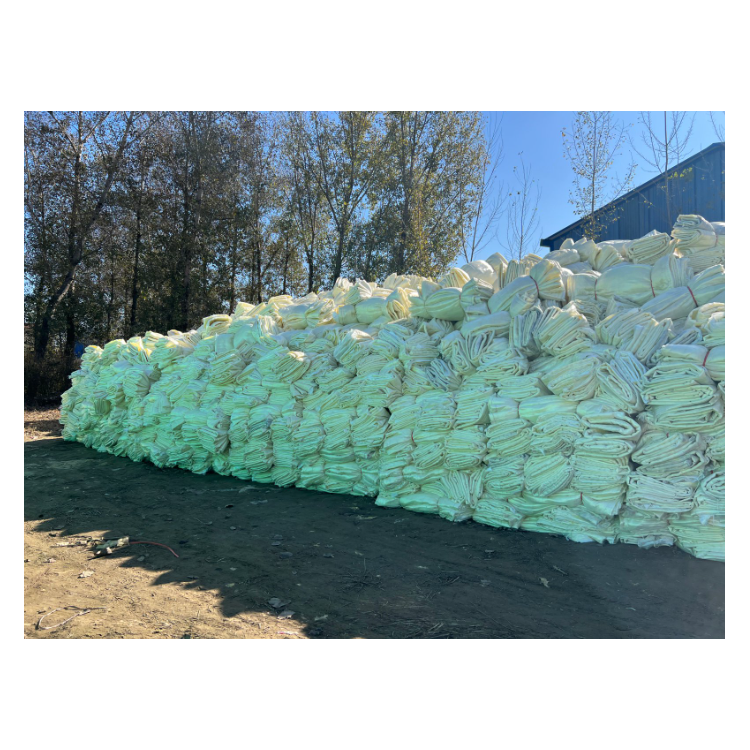
The pre-manufactured waterproof rock wool batts are packaged and stored in a dry, well-ventilated environment to maintain their stable performance.


