


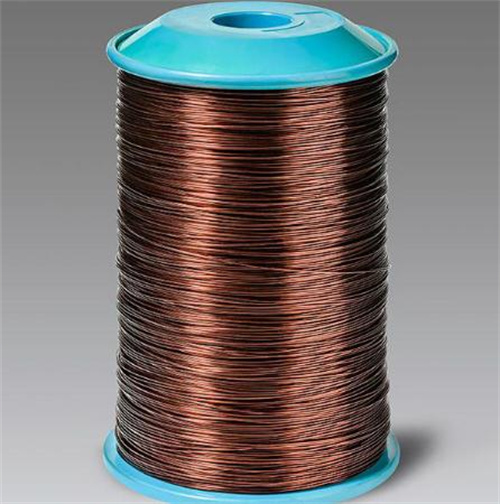
The cross winding method for enameled copper wire is relatively simple and suitable for winding electronic components. First, remove a section of enameled copper wire from the spool, unwrap it, and strip off some of the insulation to expose a section of bare copper wire. Next, use a fingernail or another sharp object to lift the copper wire and wrap it around the lead of the component to be connected. Then, tightly wrap the wire around the lead two or three times, ensuring the tension is correct and the number of turns is not excessive, as this could affect the component's performance. Additionally, make sure the connection between the copper wire and the component lead is secure and reliable. Finally, wind the other end of the wire around the component lead in the same manner.

The呆扣缠绕 is suitable for components that require frequent plugging and unplugging, such as switches. Firstly, cross the component's pins with the copper wire, turn the wire 45 degrees, then wrap it around the other side of the component, and wrap it back. At this point, the ends of the copper wire will intersect; flatten the wire at the intersection. This wrapping method is more tightly and securely than the cross wrap, enhancing the reliability of the connection.
Insulation winding is a method used to connect high-voltage components. Before winding, a plastic insulating layer should be wrapped around one end of the copper wire to prevent circuit short-circuiting. Insert one end of the insulated wire into the pin of the high-voltage component and then wrap the other end around the copper wire. Pay attention to ensure a firm contact between the copper and insulated wires during winding, and avoid the circuit coming into contact with any metal objects it shouldn't. Otherwise, it may cause short-circuiting, affecting the lifespan of the components.
