
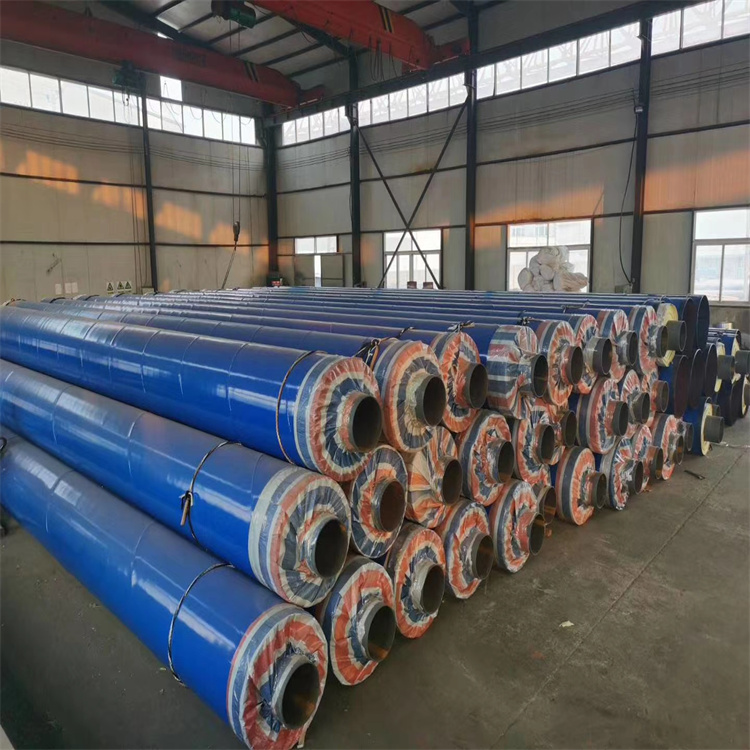
 Polyurethane fire hoses
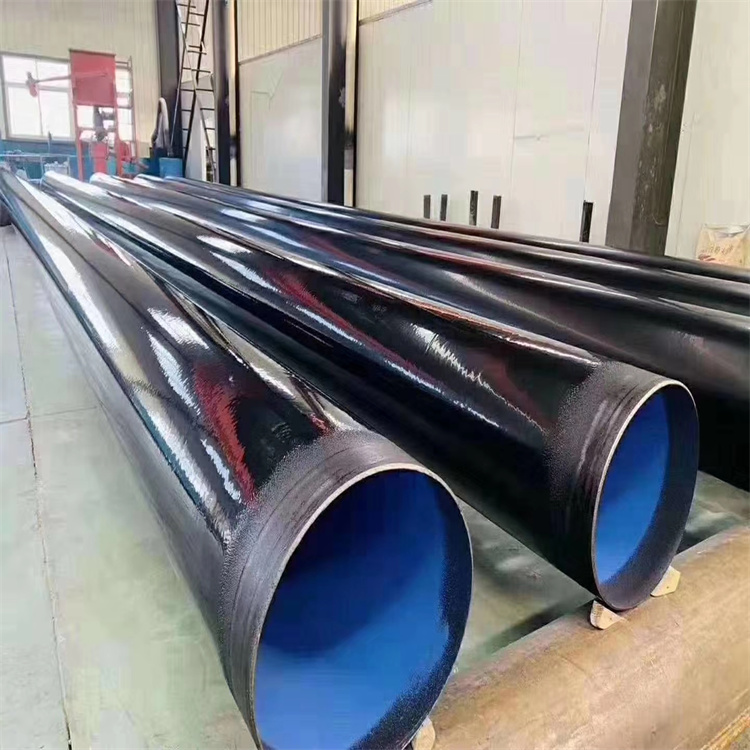 Spiral Corrosion-Resistant Steel Pipe
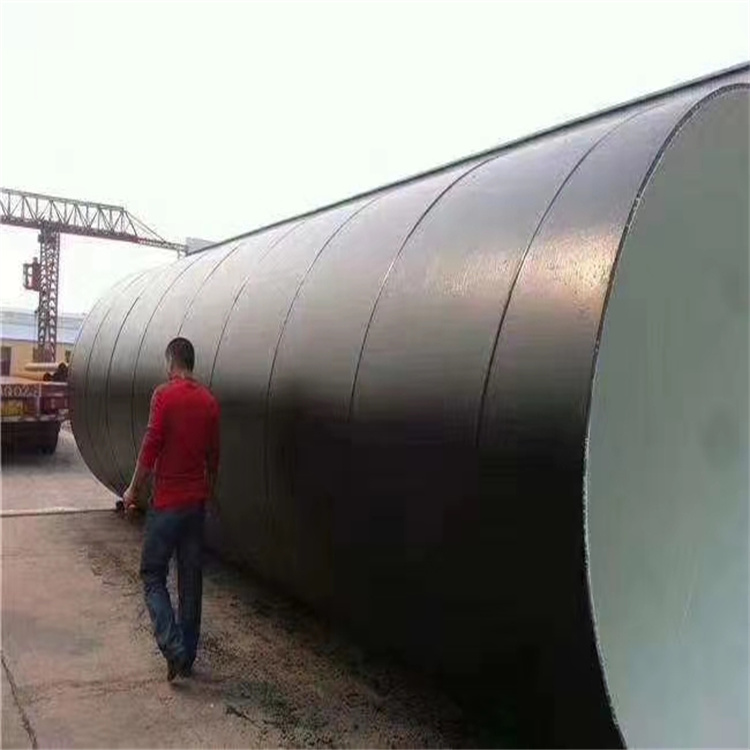 Plastic Coated Spiral Steel Pipe
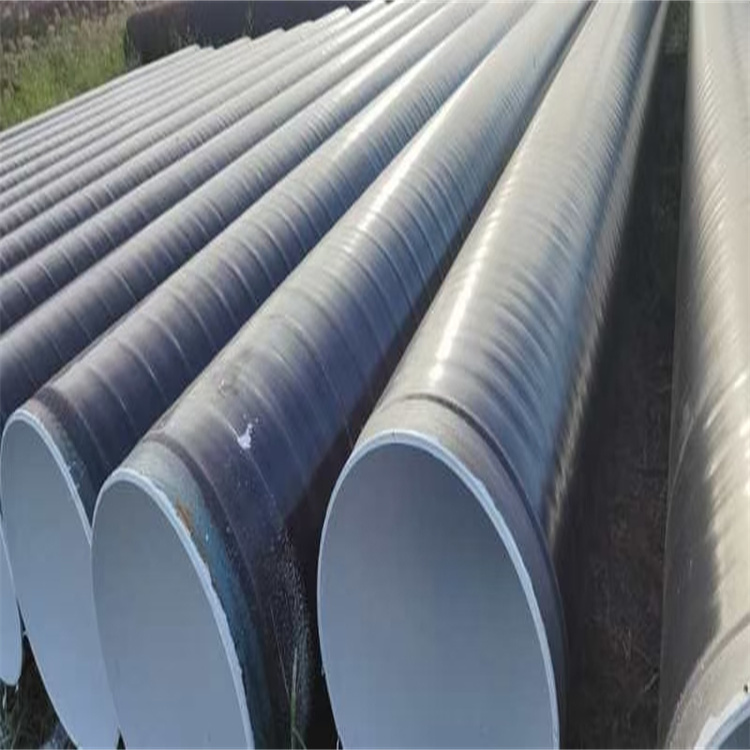 PE Coated Steel Pipe in National Standard
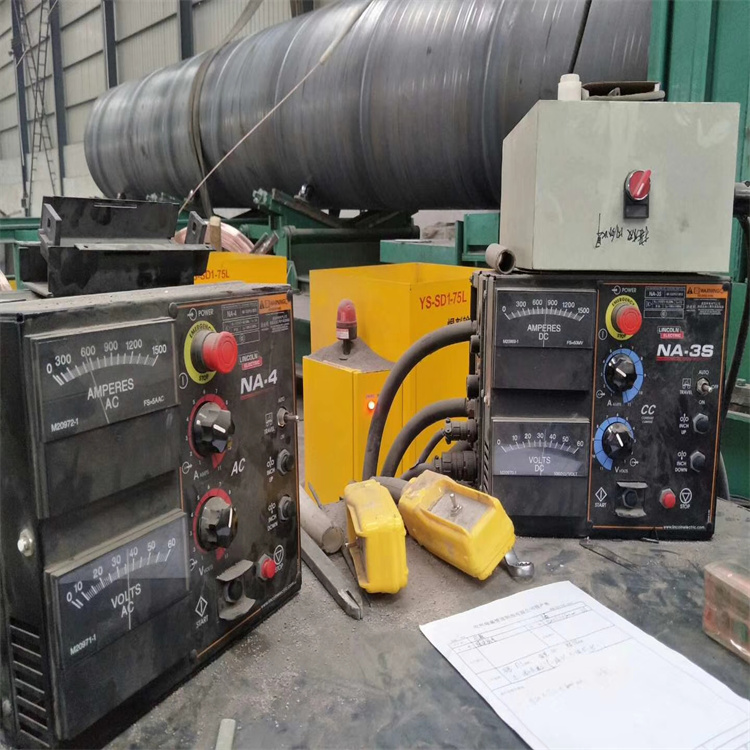 Small Diameter Spiral Steel Pipe
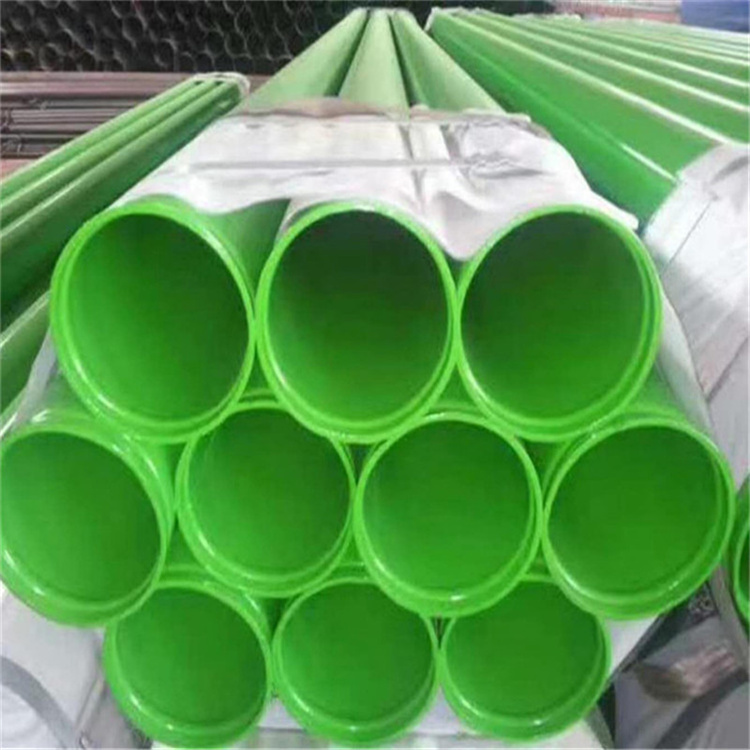 Plastic Coated Steel Pipe
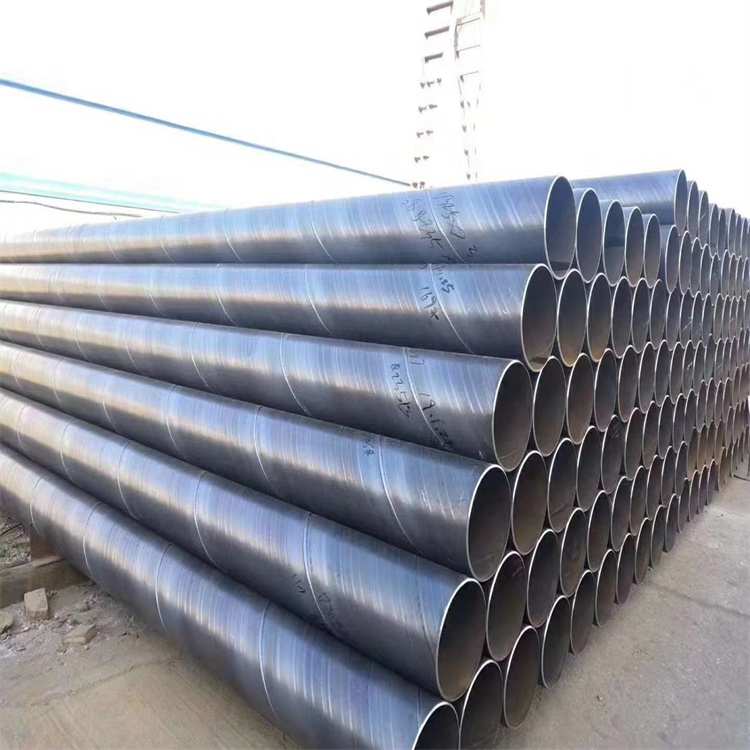 Q345B Seamless Welded Pipe
Product Details


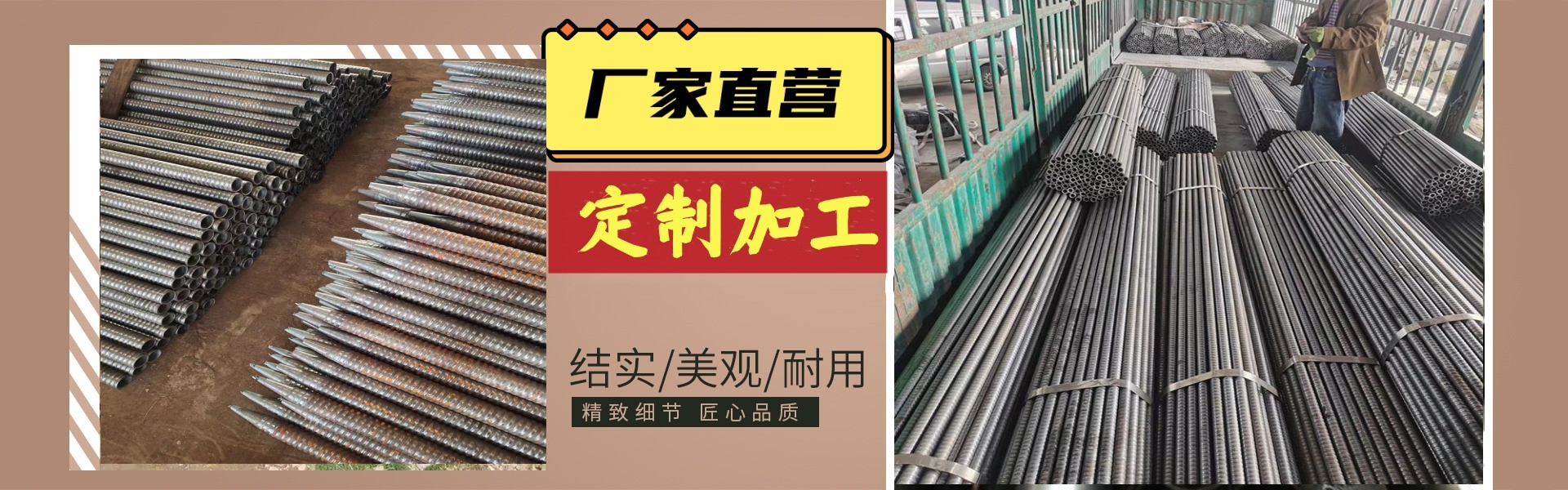

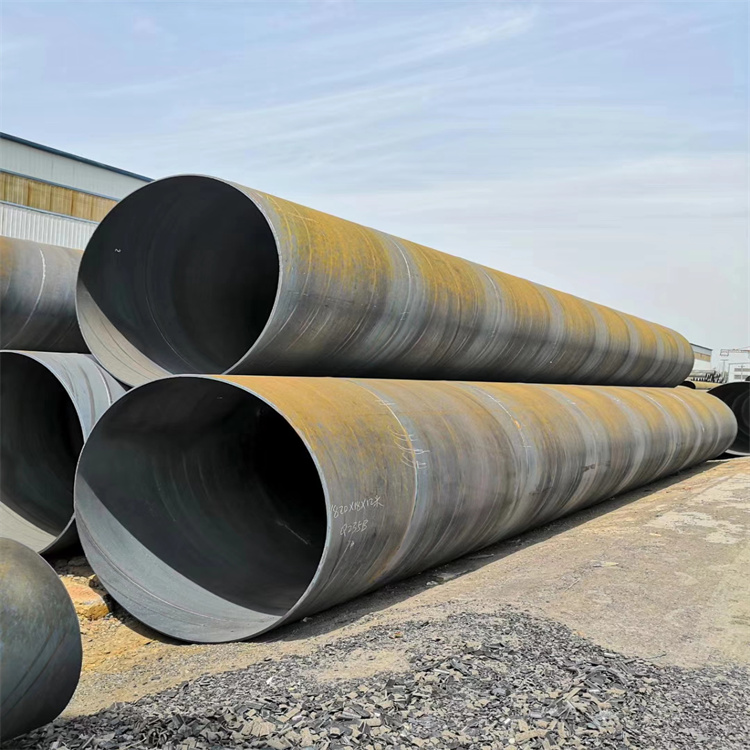


产品Price 4200.00/ton
最小起订Quantity:1 ton 供货总Quantity: 180000 ton


Large Diameter Thick-Wall Seamless Welded Pipe |
|
Spiral Welded Pipe |
426*10 - 65 |
Wastewater pipeline |
180x6-12 |
1. Physical Method Inspection: Physical inspection methods involve utilizing certain physical phenomena for measurement or examination. 2. Strength Testing of Pressure Vessels: In addition to密封性试验 (leakage test), pressure vessels must undergo strength tests. The most common types are hydrostatic tests and pneumatic tests. Both can verify the tightness of welds in containers and pipelines under pressure. Pneumatic tests are more sensitive and faster than hydrostatic tests, and large-diameter spiral steel pipes do not require drainage after the test, making them particularly suitable for products that are difficult to drain. However, the risk of the test is greater than that of a hydrostatic test. Safety and technical measures must be strictly followed during the test to prevent accidents. 3. Hydrostatic Test: Each large diameter spiral steel pipe should undergo a hydrostatic pressure test without any leakage, with the test pressure calculated by the formula P=2ST/D, where S is the hydrostatic test stress in MPa, and the test stress for the hydrostatic test is selected as 60% of the yield strength value specified by the corresponding steel strip standard. 4. Surface inspection, or visual examination, is a simple and widely-used method, an important part of finished product inspection. It mainly detects surface defects and dimensional deviations of welds. Generally, it is performed by the naked eye, with the aid of standard templates, gauges, and magnifying glasses. If defects are found on the weld surface, there is a possibility of defects within the weld itself. Based on the quality inspection results of large-diameter spiral steel pipes, they are typically categorized into three types: qualified products, repairable products, and scrap. So, how are they inspected?

Phone Consultation