


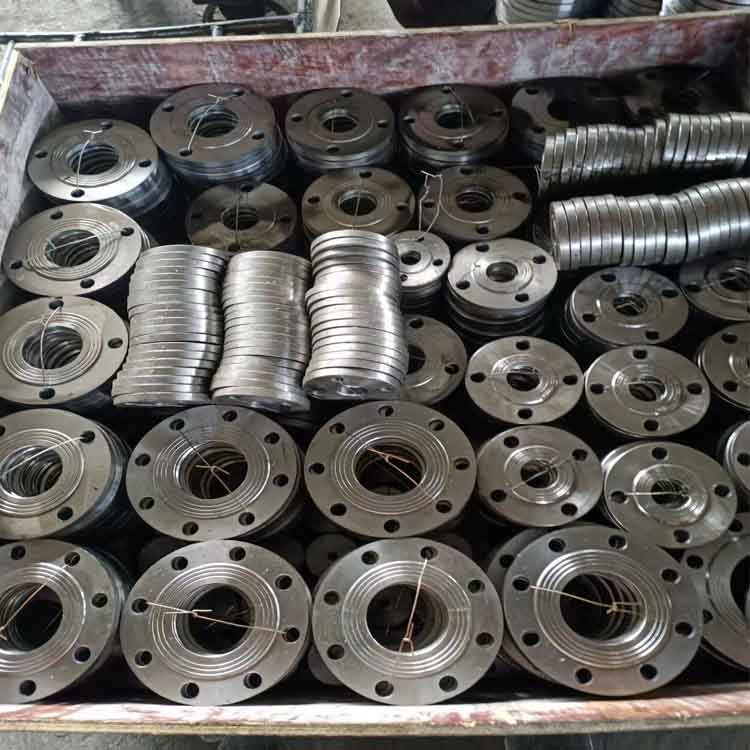
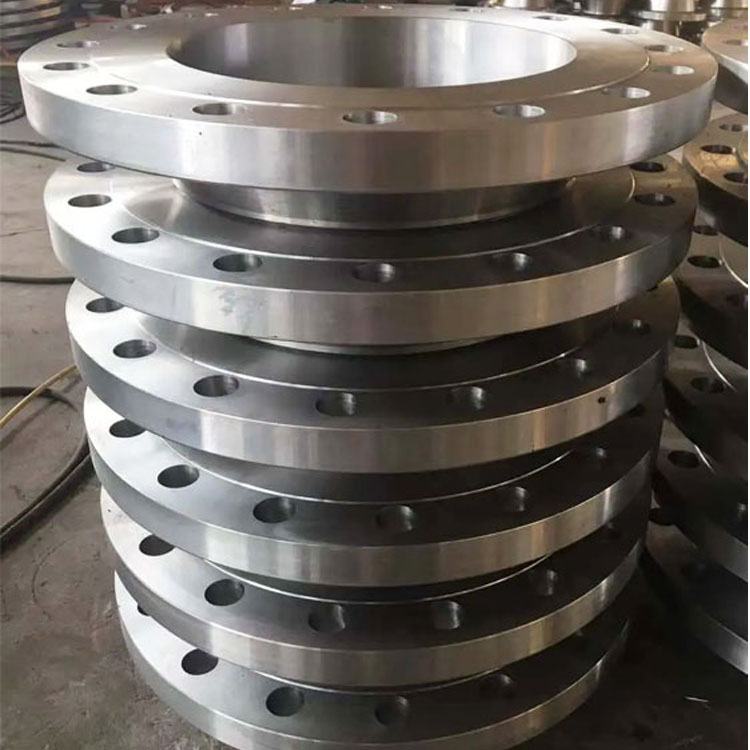
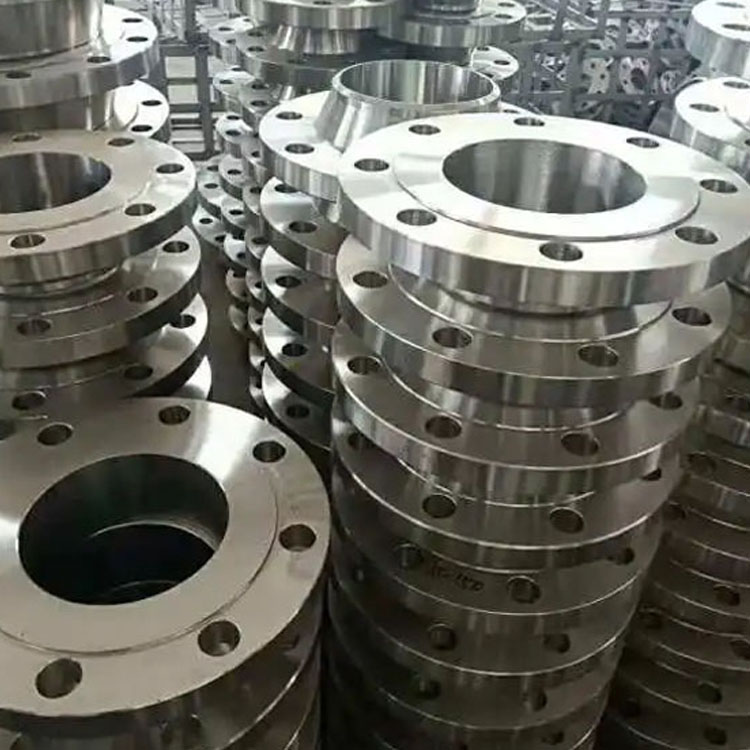
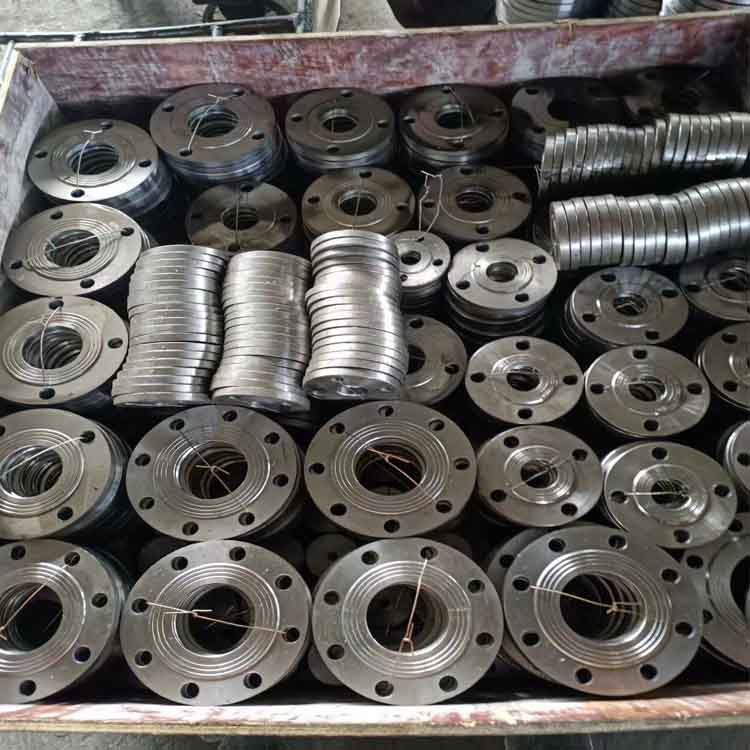
Flange, also known as a flanged dish or rim. A flange is a component that connects shafts together or connects pipe ends; there are also flanges used at equipment inlets and outlets for connecting two pieces of equipment, such as reducer flanges. A flange joint refers to a detachable connection made up of the flange, gasket, and bolt, functioning as a combined sealing structure. Pipe flanges are flanges used in piping systems, while on equipment, they refer to the inlets and outlets of the equipment. Flanges have holes, and bolts are used to securely connect the two flanges. They are sealed with a gasket. Flanges come in threaded (screwed) connections, welded connections, and clamped connections. Flanges are always used in pairs; low-pressure piping can use threaded flanges, while above four kilograms of pressure requires welded flanges. Two flange discs are fitted with a sealing gasket and then securely bolted together. The thickness of flanges varies with pressure, as do the bolts used. When pumps and valves are connected to piping, these equipment parts are also shaped into corresponding flange patterns and are called flange connections. Any connection component that uses bolts to connect and seal two flat surfaces around the edges is generally referred to as a "flange," such as the connection of ventilation piping, which can be called "flange-type components." However, this type of connection is just a part of a device, like the connection between a flange and a pump, so it's not appropriate to call the pump a "flange-type component." Smaller components like valves can be called "flange-type components."
