

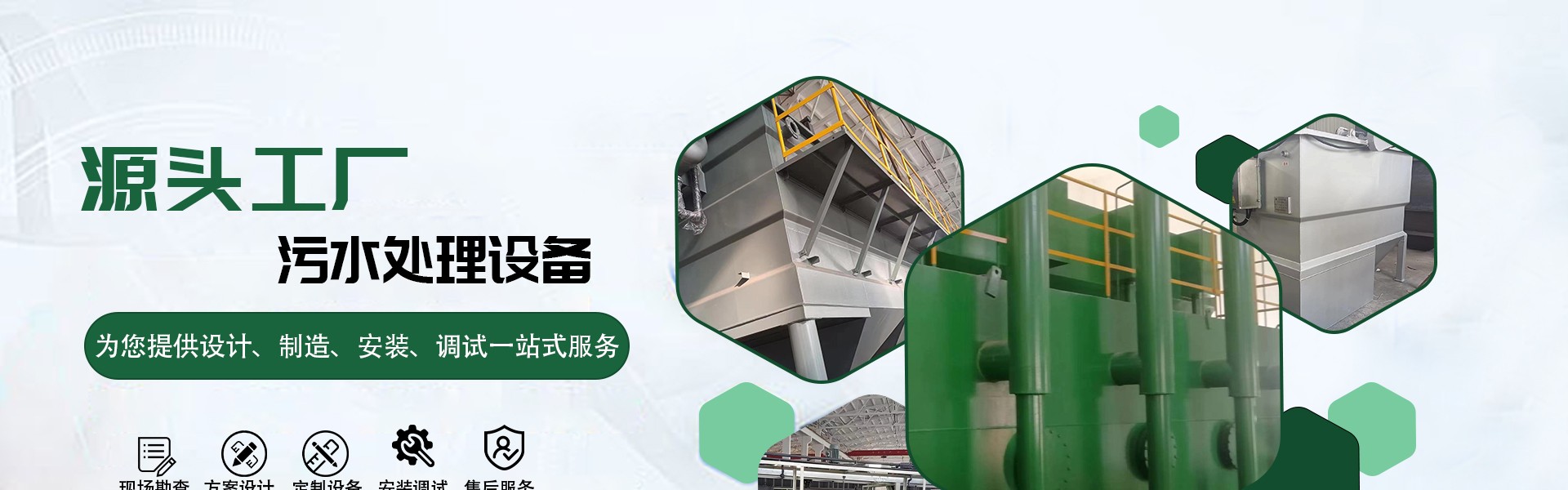

An anaerobic digester is a facility used for treating wastewater or sludge, processing it without introducing oxygen, primarily through the fermentation action of microorganisms to decompose organic matter. The functions of anaerobic digesters include wastewater treatment, biogas production, energy utilization, and environmental protection. The following will provide a detailed introduction to the functions of anaerobic digesters.
Anaerobic digesters are crucial equipment for wastewater treatment. Wastewater is rich in organic matter, and if discharged directly into nature, it can cause severe environmental pollution. By introducing wastewater into anaerobic digesters for processing, the decomposition of organic matter can be achieved, reducing the concentration of organic substances and lowering the pollution to the environment. The anaerobic microorganisms within the digesters can utilize organic matter as an energy source for their own growth and reproduction, decomposing organic matter into stable products such as water, carbon dioxide, and biogas.
Next, anaerobic reactors can produce biogas. Biogas is a gas with a high energy value, primarily composed of methane and carbon dioxide. Anaerobic microorganisms within the anaerobic reactor produce a large amount of biogas during the decomposition of organic matter. By collecting and properly treating biogas, clean energy sources can be obtained, such as the natural gas used in gas stoves. This not only reduces the consumption of fossil fuels but also conserves energy and reduces environmental pollution.
Moreover, anaerobic digesters can also harness energy. The biogas produced in anaerobic digesters can be utilized for energy purposes, such as generating electricity, heating, or powering machinery. By converting biogas into electrical or thermal energy, it can meet energy demands in industrial and domestic sectors, enhance resource utilization efficiency, and reduce dependence on external energy sources.
Additionally, the anaerobic tower plays a role in environmental protection. If organic substances in wastewater are not effectively treated, they can enter natural water bodies, leading to water resource pollution and ecosystem destruction. The operation of the anaerobic tower can effectively reduce the concentration of organic substances, minimizing pollution to the water environment. The microorganisms within the anaerobic tower can decompose organic substances into harmless stable products, reducing the release of harmful substances and contributing to the protection of water resources and biodiversity.
In addition, the anaerobic tower serves other purposes. For instance, anaerobic microorganisms produce beneficial metabolic products, such as organic fertilizers, during the decomposition of organic matter, which can serve as a resource for agricultural production. Furthermore, the anaerobic tower can remove nutrients like nitrogen and phosphorus, mitigating the impact of eutrophication on water bodies. Moreover, it can also treat sludge, reduce sludge volume, and decrease environmental harm.
Anaerobic digesters, as equipment for treating wastewater and sludge, play a variety of crucial roles. They effectively process wastewater, reduce organic concentrations, and minimize environmental pollution. Additionally, they produce biogas, provide clean energy, and ensure efficient energy utilization. Moreover, anaerobic digesters have a positive impact on environmental protection and resource utilization. Their significance extends beyond wastewater treatment, making significant contributions to agriculture, energy, and sustainable development and environmental conservation.
News Center Co., Ltd.
