

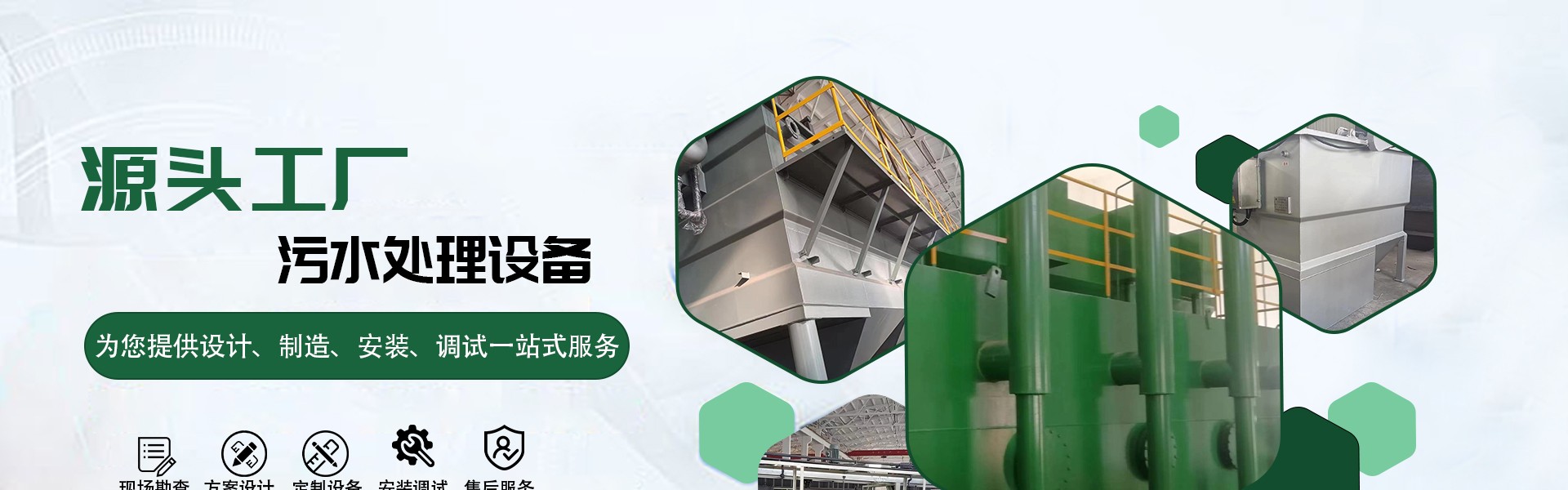

Mechanical grates are devices used for filtering and separating solid impurities from liquids or gases. They are typically composed of a series of horizontal or vertical metal bars or plates. Mechanical grates are widely used in industries such as water treatment, wastewater treatment, power plants, and chemical factories. Their primary function is to prevent large solid particles from entering downstream equipment or processes, thereby protecting the normal operation of the equipment and effectively purifying liquids or gases.
The design and working principle of mechanical gratings are very simple. When liquids or gases pass through the grating, solid particles, due to their larger size, cannot pass through the gaps and thus remain on the grating surface. The size of the grating gaps can be adjusted according to specific filtration requirements. The larger the load of solid particles, the larger the gap size. When solid particles accumulate to a certain extent, a layer of solid sludge forms on the grating surface, necessitating regular cleaning or automatic cleaning to remove these solid sludge. Common cleaning methods include manual cleaning and water冲洗 cleaning.
In the water treatment industry, mechanical grates are widely used to prevent large solid particles like floating debris, suspended solids, and scales from entering sedimentation or coagulation ponds, thus protecting the proper operation of sand filters, activated carbon adsorption units, and coagulants. In the wastewater treatment sector, mechanical grates are typically placed at the influent intake to intercept large solid particles, preventing wear and clogging in downstream equipment and pipelines. In power plants and chemical factories, among other industries, mechanical grates safeguard cooling water and recirculation systems by blocking large particles from entering, ensuring the smooth operation of equipment.
Material for mechanical gratings can include stainless steel, cast iron, plastic, and others, with selection based on specific application environments and fluid properties. Stainless steel gratings offer superior corrosion resistance and high strength, making them suitable for harsh environments. Cast iron gratings are appropriate for applications with lower strength requirements. Plastic gratings are ideal for scenarios that demand high corrosion resistance but not necessarily high strength. Furthermore, depending on various filtration needs, the gap size of mechanical gratings typically ranges in2mmPlease provide the Chinese content to be translated.100mmBetween.
In summary, mechanical grates are a simple and reliable solid-liquid and solid-gas separation equipment, widely used in industries such as water treatment, wastewater treatment, power plants, and chemical factories. They protect the normal operation of equipment by preventing large solid particles from entering downstream systems and effectively purify liquids or gases. The design and working principle of mechanical grates are straightforward, with a variety of materials available for selection based on specific application environments and fluid properties.
News Center Co., Ltd.
