

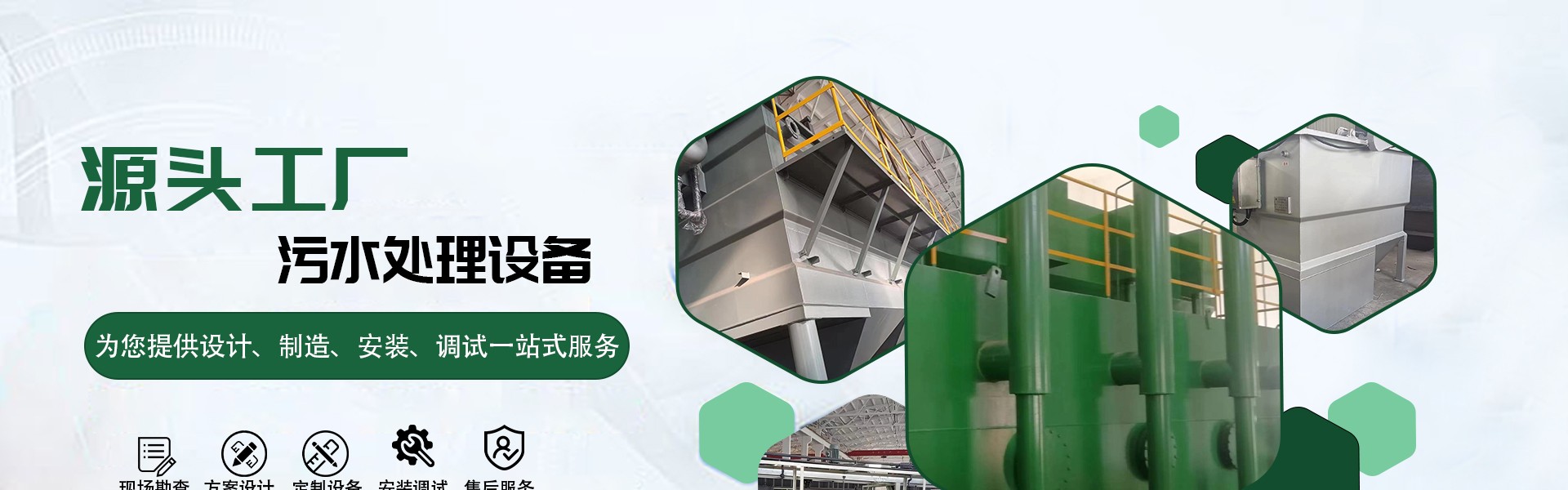

Sedimentation ponds are a type of wastewater treatment equipment. Their development and application date back to20Decades ago, as environmental pollution worsened and the importance of water resources became increasingly recognized, sedimentation tanks found widespread application.
The primary function of the sedimentation pond is to remove suspended solids, sediments, and organic matter, among other pollutants from wastewater through physical and chemical reactions, thereby clarifying the water to meet discharge standards or further treatment requirements. The working principle of the sedimentation pond is relatively simple. It achieves this by designing a rational water flow structure and sedimentation time, allowing wastewater to remain in the pond for a period, causing pollutants to naturally settle at the bottom. The clean water is then drained off, while the sediment is cleaned out on a regular basis.
Sedimentation tanks are essential equipment for municipal wastewater treatment plants, industrial wastewater treatment facilities, and some key public utilities. Whether it's for treating urban or industrial wastewater, they play a crucial role. Firstly, they remove suspended solids from the wastewater, improving its transparency and reducing water pollution. Secondly, through sedimentation, sedimentation tanks effectively eliminate some heavy metals and organic matter from the wastewater, thereby minimizing the impact on aquatic ecosystems. The application of sedimentation tanks can also alleviate the load on wastewater treatment plants, enhancing their treatment efficiency and capacity.
In the design and operation of sedimentation ponds, there are some key points to pay attention to. Firstly, the sedimentation pond should be properly designed in terms of size and structure. Different types of wastewater have varying characteristics and compositions of pollutants, so the appropriate type and size of sedimentation pond should be selected based on the characteristics of the wastewater. Secondly, the operation of the sedimentation pond requires attention to controlling the flow rate and residence time. Too fast a flow rate can prevent pollutants from fully settling, while too slow a flow rate can reduce treatment efficiency. Therefore, the appropriate flow rate and residence time should be determined based on the characteristics of the wastewater and treatment requirements. Additionally, the sedimentation pond should be dosed with an appropriate amount of flocculant to enhance the sedimentation effect.
In addition to the aforementioned fundamental principles, the application of sedimentation tanks also presents certain challenges and issues. One of them is the clogging and frosting problem. Due to the high content of impurities in the wastewater, it is prone to form sediment layers within the sedimentation tank, leading to clogging and frosting, which affects the sedimentation efficiency. Therefore, regular cleaning and maintenance of sedimentation tanks are crucial. Moreover, the wastewater treatment process also generates some sludge and scum, and how to properly dispose of these waste materials is another direction that needs to be developed.
In summary, sedimentation tanks, as equipment for wastewater treatment, play a crucial role in environmental protection and water resource management. Through proper design and operation, sedimentation tanks can effectively remove pollutants from wastewater, reduce water pollution, and achieve the purification and recycling of wastewater. However, there are still issues with the application of sedimentation tanks that need to be addressed, and their treatment efficiency and stability need to be further improved. We believe that with the continuous advancement of science and technology and the increasing prominence of social environmental issues, sedimentation tanks will play a greater role in future development.
News Center Co., Ltd.
