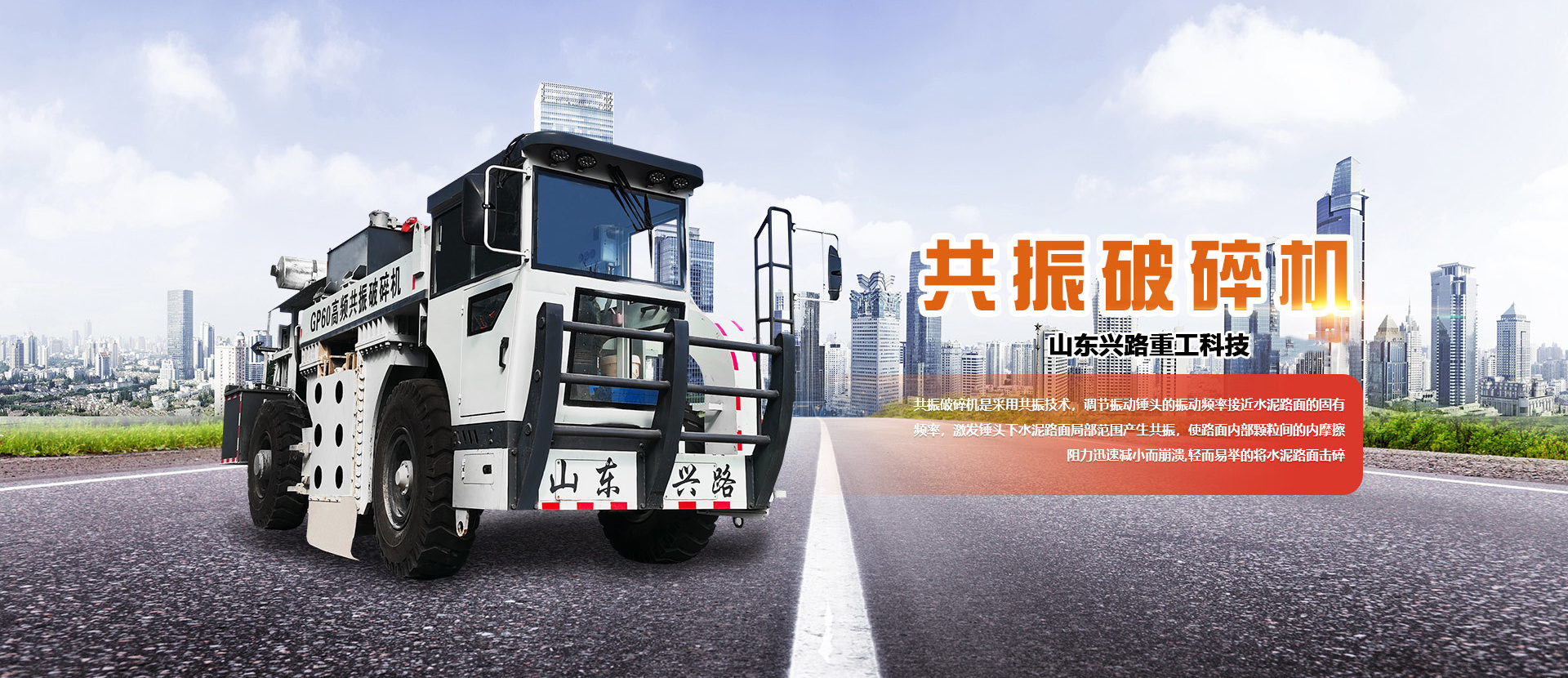
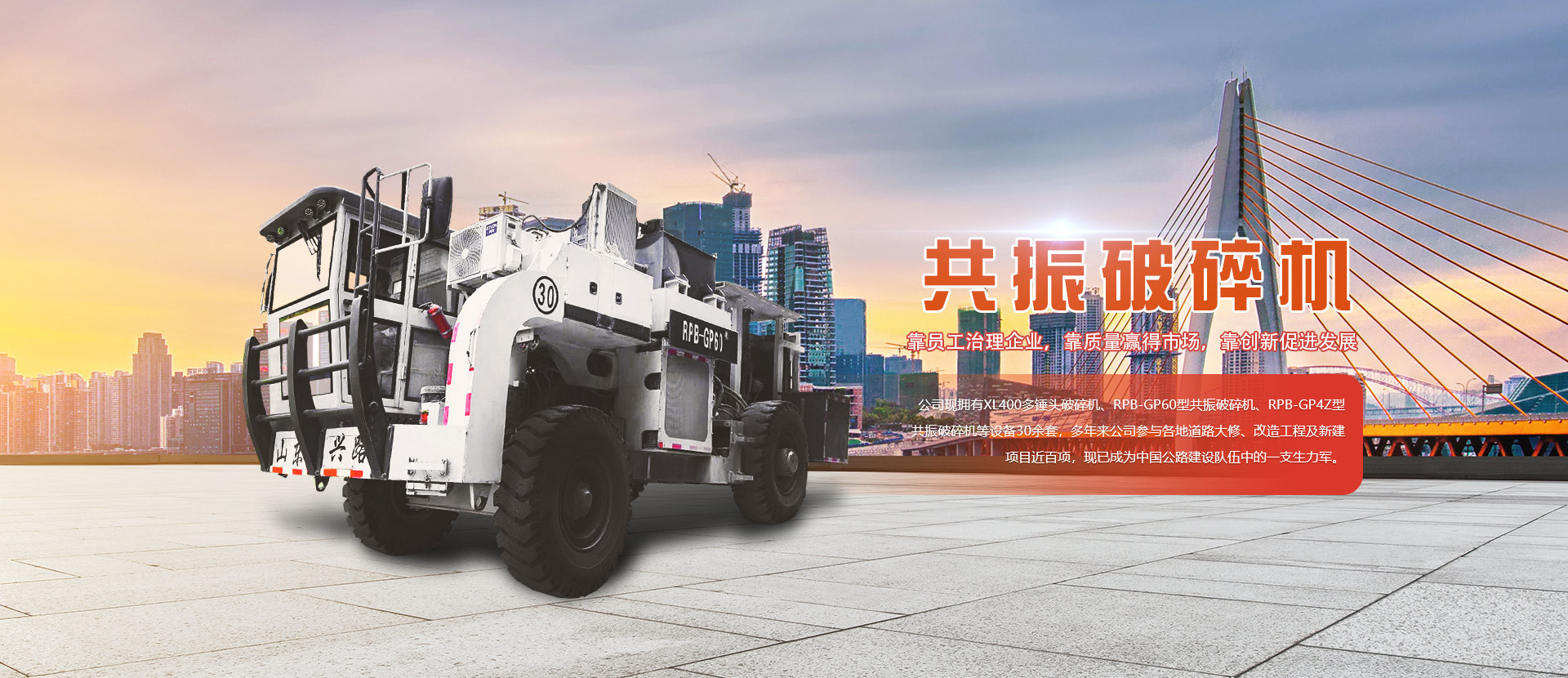
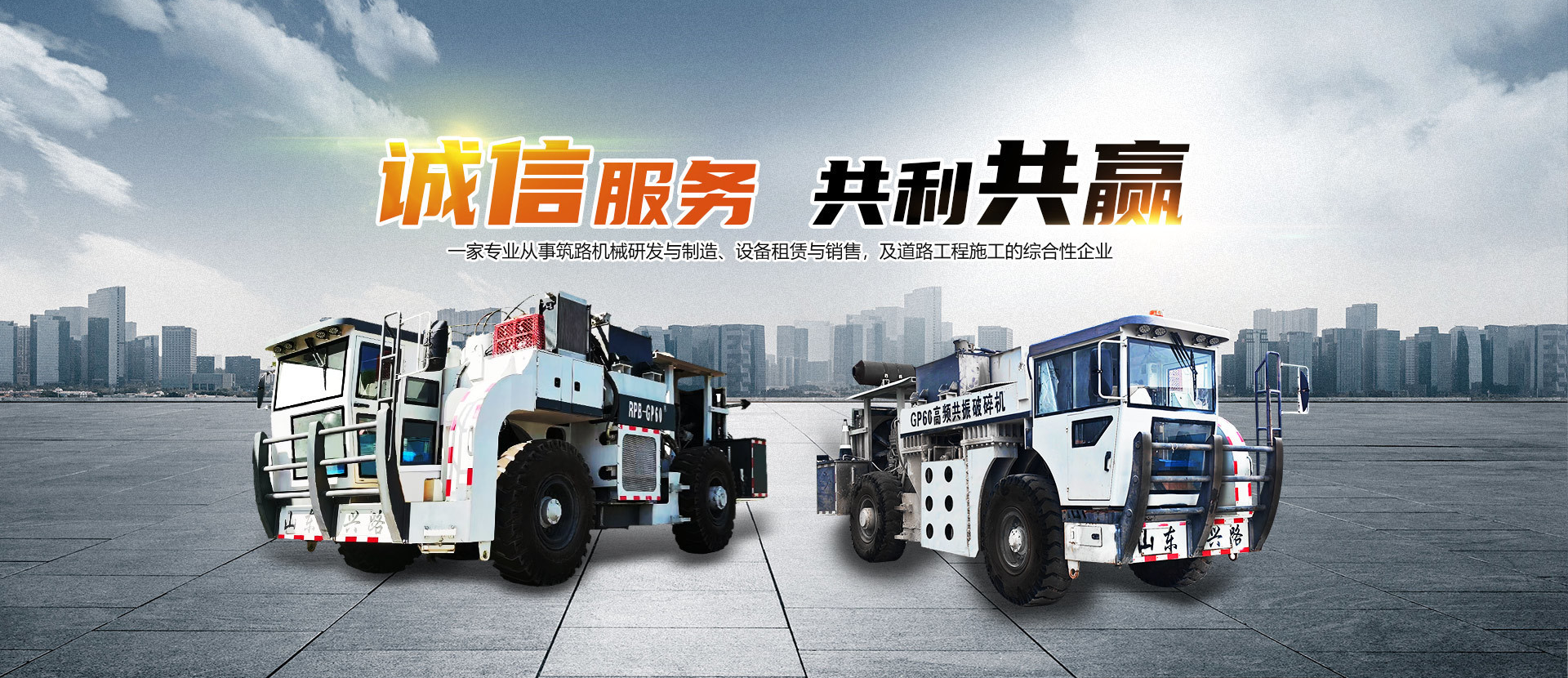
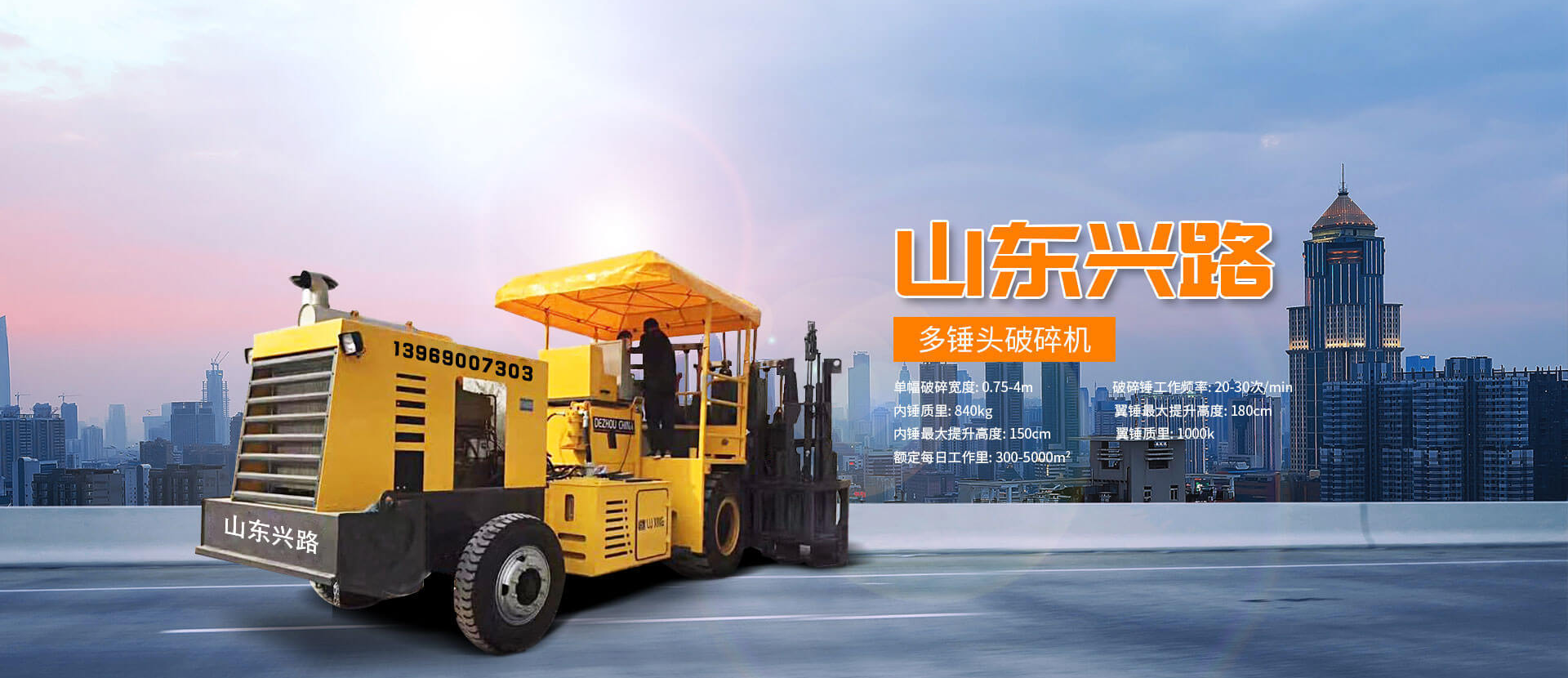
Resonant Crusher, Resonant Crushing Machine

In recent years, as the lifespan of newly constructed cement concrete pavements from the late 20th century increases, repeated heavy vehicle traffic has caused severe damage to these pavements. Adverse phenomena such as broken slabs, transverse and diagonal cracks, corner cracks, and splashed mud have emerged, leading to a gradual decline in the pavement's technical condition. Facing new challenges in the repair of old cement concrete pavements, traditional reinforcement or excavation-based reconstruction methods are not only time-consuming but also costly, potentially affecting vehicle traffic safety. After employing the concrete pavement resonance crushing technology, the construction period is relatively shorter, with less environmental pollution, and it effectively prevents or delays the formation of reflective cracks in concrete pavements. Moreover, roads reconstructed using the cement pavement crushing technology have shown good results, effectively controlling both road volume and appearance. Let's take a closer look at the cement pavement crushing technology!
1. Equipment Selection for Engineering Machinery
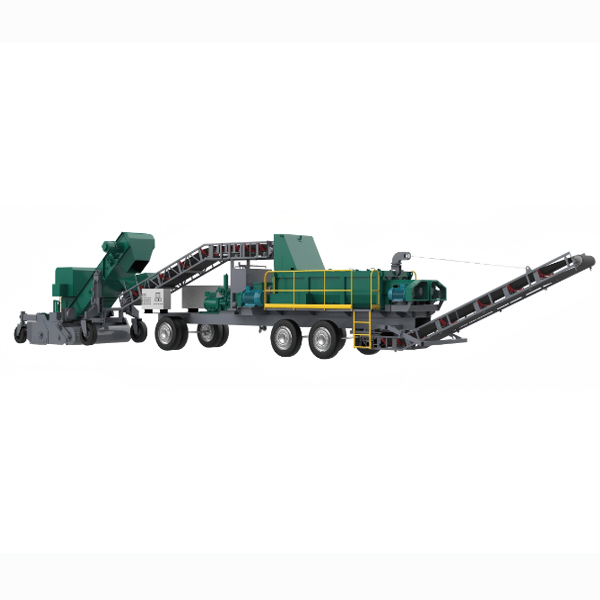
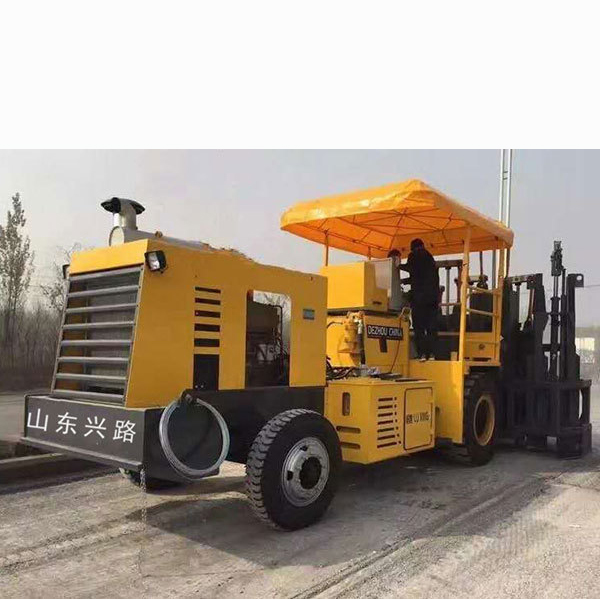
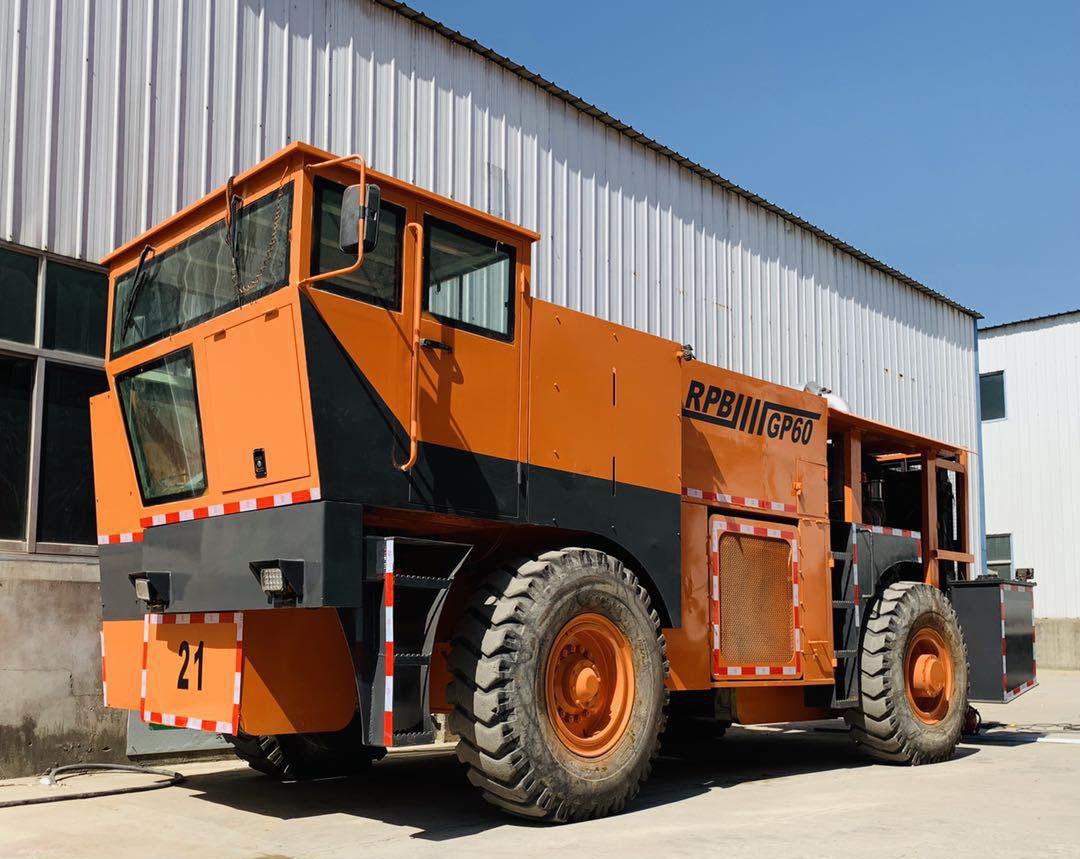
For asphalt concrete crushing technology, it is essential to select a professional resonance crusher for resonance crushing machinery. This equipment boasts excellent resonance technology, capable of continuously generating high-frequency and low-amplitude vibration energy, which is transmitted to the concrete slab via the crushing hammer head. Driven by the eccentric shaft of a special vibration beam, it forms a vibration harmonic, with zero amplitude at the fulcrum and center of gravity. After the high-frequency, low-amplitude striking of the crushing head on the road surface, cracks appear in the concrete pavement, rapidly and regularly extending to the material boundary with minimal impact force, allowing the cracks to only expand to the boundary.
2. Construction Technology Features
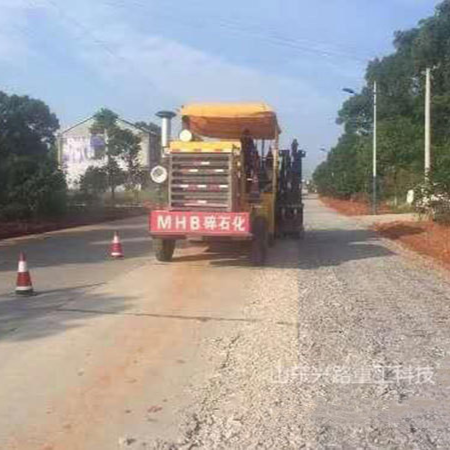
The cement road surface破碎ization technology utilizes the high-frequency, low-amplitude vibration energy generated by the resonance crushing technique, which is transmitted to the cement blocks through the crushing hammer heads. This results in the fragmentation of the old cement concrete blocks into a layer of碎石 with particle sizes below 3f within a depth range of 4~6f on the surface. Due to the high motion of the resonance crusher and the short contact time with the plate, the cracks on the cement board surface uniformly expand to the bottom of the board in a short period. The high-frequency vibrational force acting on the internal structure of the cement board ensures uniform crushing, with very regular fragment sizes and orientations. The surface of the cement board exhibits smaller and looser particles, while the lower layer contains larger, better-locked particles. Cracks form beneath the碎石 layer, but do not disrupt the interlocking masonry structure, demonstrating good arch effects that allow vertical pressure to reach horizontal thrust.
3. Construction Basic Procedure
The basic steps for implementing resonance crushing technology on concrete road surfaces using cement road crushing technology are as follows: first, conduct a road condition survey, then remove the asphalt repair layer on the road surface, moisten with water, perform a trial vibration, inspect and verify, then proceed with resonance crushing, followed by removing surface coarse aggregates, compacting, and conducting technical specification checks during the crushing test vibration.
The resonance crushing quality of concrete surfaces significantly affects the construction speed, amplitude, and crushing sequence of crushers. Unlike the basic strength, stiffness conditions, and adjustment requirements for crushers influenced by the crushing construction direction, factors such as the degree of crushing, particle size arrangement, and the direction of the formed fracture surfaces are not affected. To ensure the quality of resonance crushing, it is imperative to conduct a crushing test vibration prior to resonance crushing. After the trial vibration, dig a pit to check the particle size distribution and uniformity, and determine the construction parameters of the crusher.
5. Crushing Engineering Program
Before breaking, the surface of the concrete pavement on the breaking lanes must be watered to prevent dust from flying during the breaking process and to avoid environmental pollution. The breaking sequence generally starts from the outer lane of the concrete pavement and proceeds from the end to the middle, with alternating breaks every 20cm. The longitudinal lanes can also be broken along the length, starting from the middle to the end, but when breaking a lane, the actual breaking width should exceed that of a single lane, overlapping with the adjacent lane by at least 15cm. Before compaction, remove no less than 5cm of碎石 blocks from the old concrete tunnel, fill in the concave areas with graded碎石 blocks, and then compact them with a roller.
6. Technical Specification Inspection
The cement road surface crushing technology combines visual recognition with on-site inspections, allowing for representative sections to be excavated and sampled for testing. Generally, a 1-hour-sized pit is dug at a distance of 2.5 meters from the roadside every 250 meters, with a depth to the top of the sub-base of the road surface, to analyze the resonance cracking effect. It identifies whether the plate experiences diagonal forces and structural alignment, determining the role and extension of the resonance crushing technology in completing energy transfer, and evaluates the potential damage to the surrounding structures and sub-base. Concurrently, fixed-point measurements should be taken for settlement and rebound values, crushing conditions, and longitudinal and transverse slopes. The fact is that the resonance crushing of old cement concrete road surfaces results in relatively minor changes in longitudinal and transverse slopes, with smaller settlement and lateral displacements. The old cement concrete road surfaces measured by the rebound deflection value are less than the rebound deflection value, and the rebound deflection value after resonance crushing is even greater.
7. Effectiveness Analysis
The cement road surface crushing technology utilizes resonance crushing technology for asphalt concrete pavement construction, enabling rapid and effective road construction. During normal operation, a resonance crusher can process up to 1600-2700 meters of a single lane per shift. By employing a continuous workflow method, concrete paving on bicycle lanes can be completed in just 3-5 days, allowing for traffic to resume. Concrete road surfaces not only have a longer construction period but also tend to cause environmental pollution and affect vehicle safety during rainy or snowy weather. The concrete road surfaces laid with the new technology are not only smooth and sturdy but also do not develop road cracks, potholes, or other defects after opening, ensuring good road conditions. 8 Conclusion
In summary, the application of cement concrete pavement fragmentation technology on concrete road surfaces significantly reduces the structural strength of the old concrete roads, while effectively preventing the formation of reflective cracks. This approach achieves a balance that allows for rapid and efficient construction and improvement of road conditions, reducing the construction period and conserving resources. Traditional methods of building cement concrete pavements through overlaying or new paving after excavation are not adaptable to the renovation of old roads, are time-consuming, and involve high investment costs, leading to severe environmental pollution. Therefore, for the maintenance and renovation of old cement concrete pavements, it is recommended to prioritize the use of resonance fragmentation techniques.
Above is an introduction to the stone pavement crushing technology. For more information, please feel free to contact us at any time!


b2b.china9.net © Zhongshang 114 Hebei Network Technology Co., Ltd.Address: Room 6009, Oriental New World Center, No.118 East Zhongshan Road, Qiaoxi District, Shijiazhuang City, Hebei ProvincePlatform Service Hotline: 4006299930