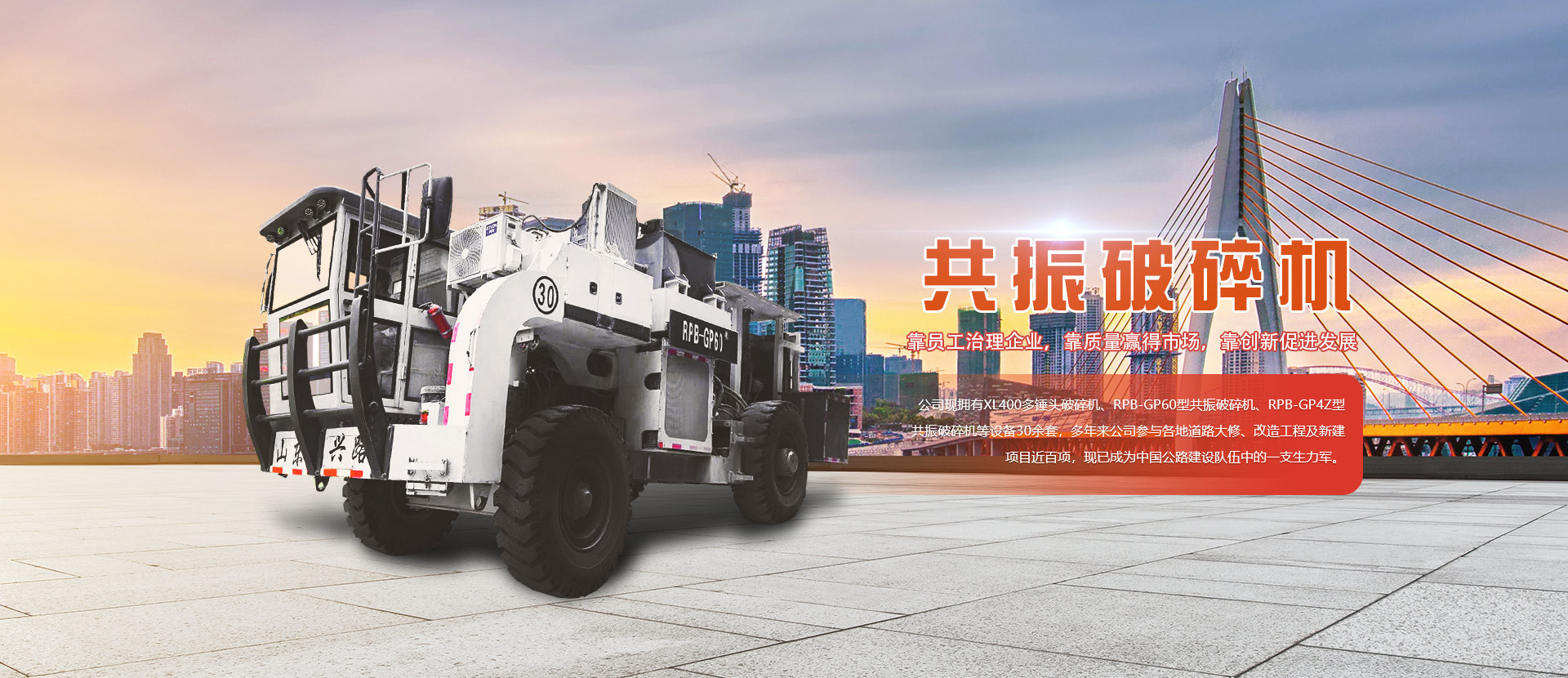
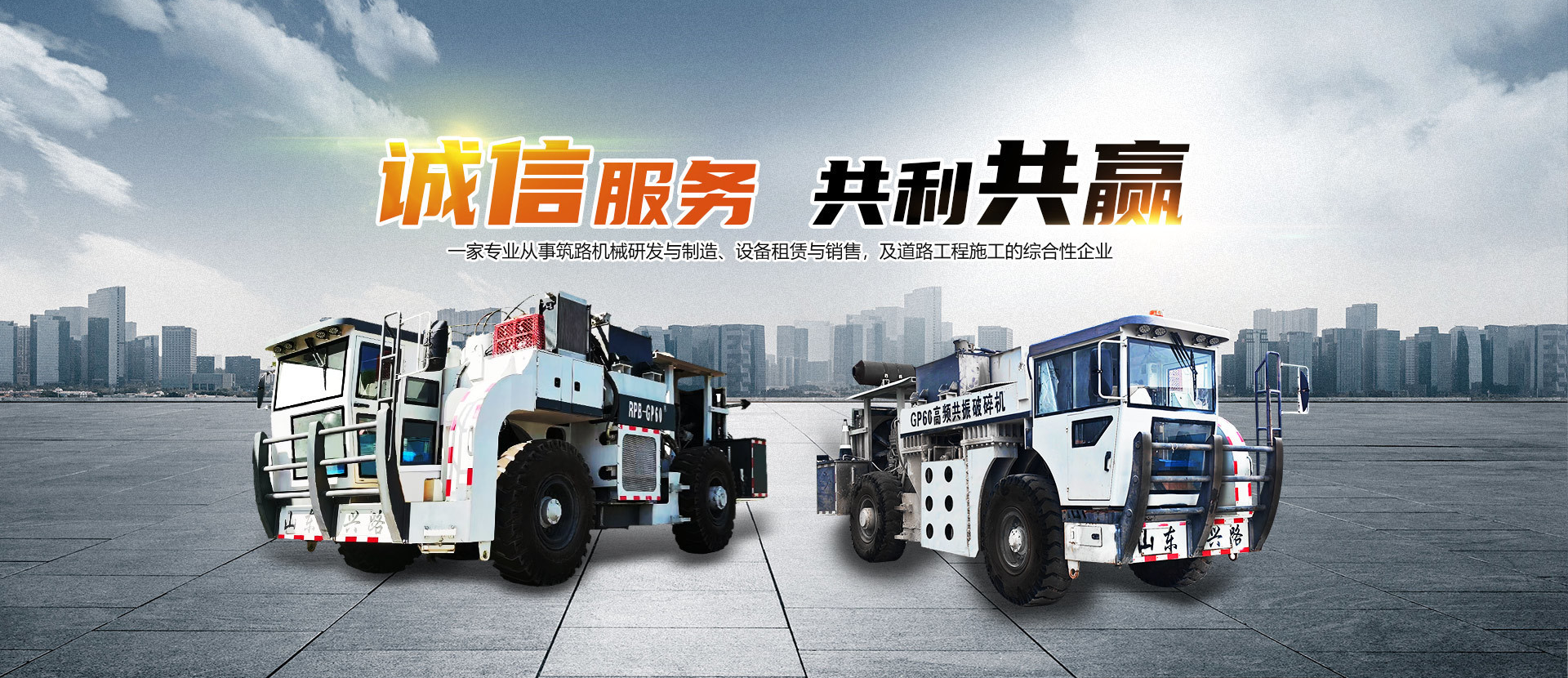
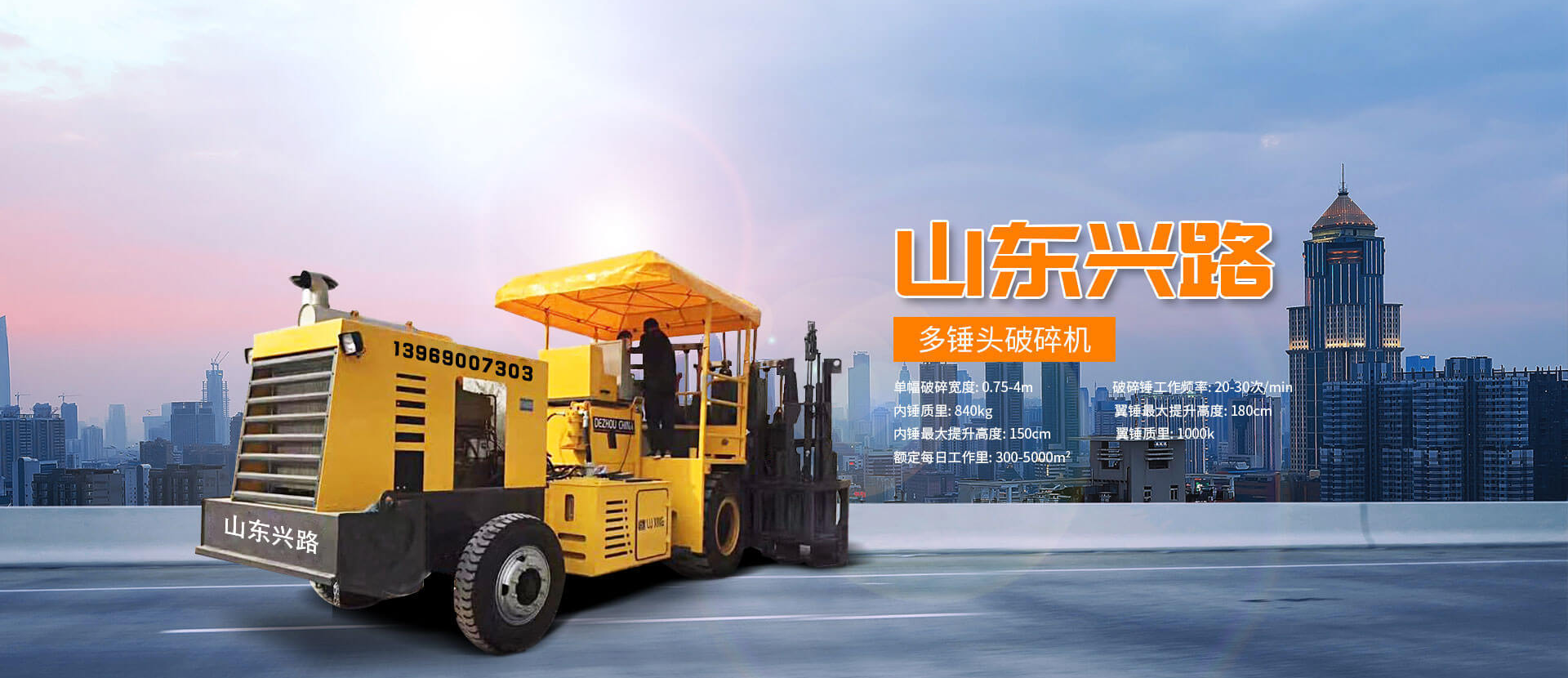
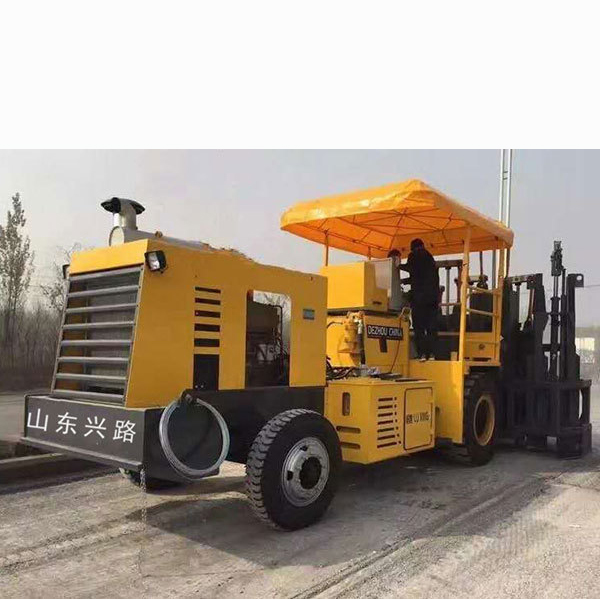
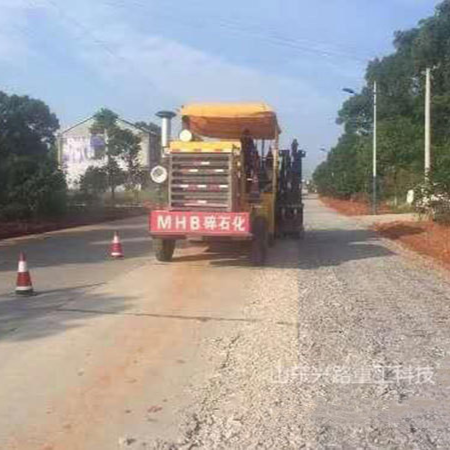
Resonant Crusher, Resonant Crushing Machine

The High-Frequency Resonant Crusher originated in the United States in the 1980s, developing and upgrading from the basis of impact crushing, door panel crushing, multi-impact crushing, and single-impact crushing. Introduced to China in 2006, it is widely used in Shanghai, Zhejiang, Fujian, and other areas. With a total building area of over 20 million square meters and a cumulative length of 2,000 kilometers, it has proven the maturity, reliability, and applicability of the High-Frequency Resonant Crusher. Let's take a look at the applications of its crushing technology together!
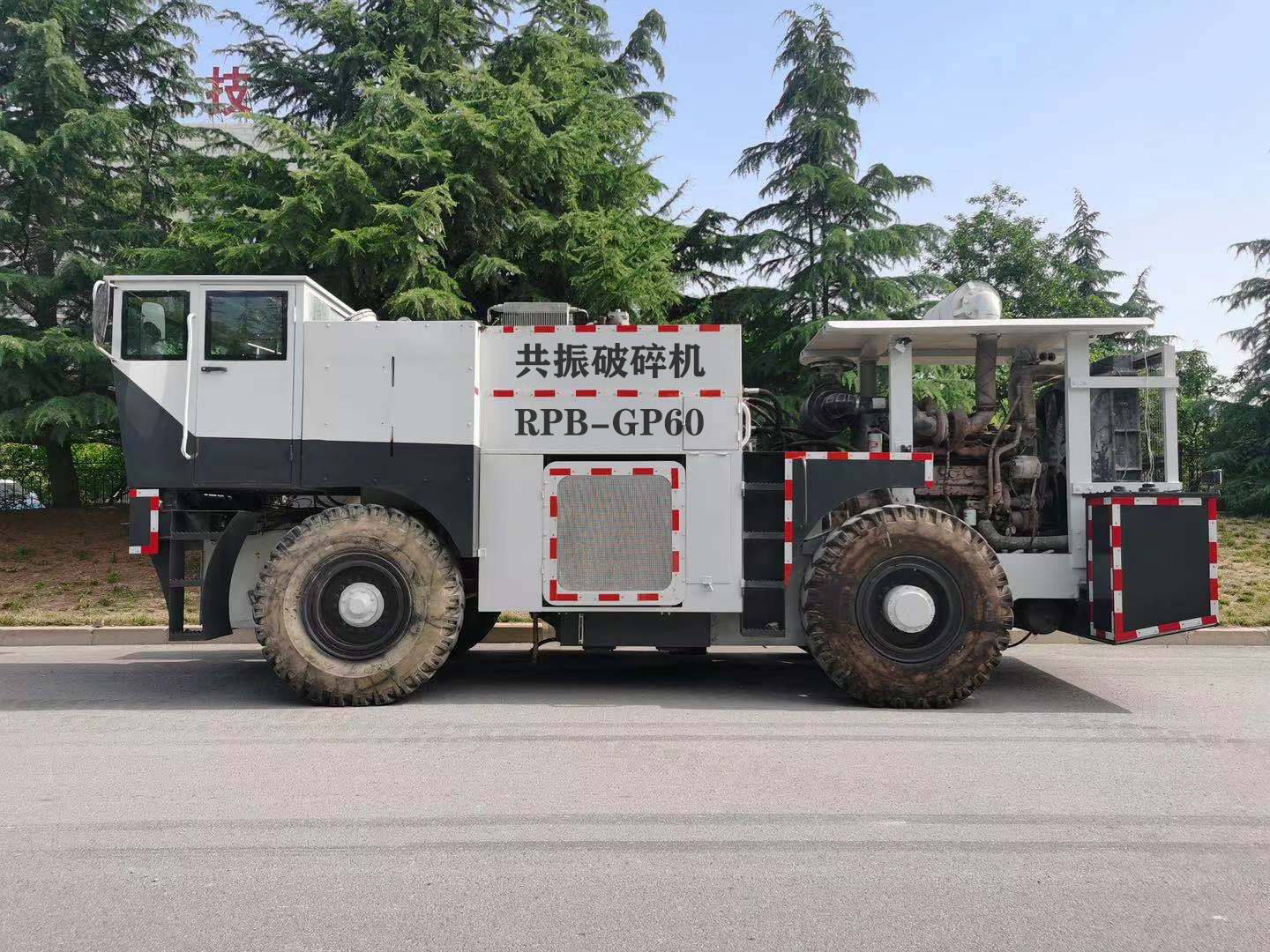
1. High-frequency Resonant Crusher Working Principle
The High-Frequency Resonant Crusher is a high-frequency, low-amplitude vibration crushing technology. Resonant crushing does not use "irrational force" to break concrete slabs; instead, it achieves the "four ounces lift a thousand pounds" effect through "ingenious thinking," which is a key feature of resonant crushing. It combines the excitation force of the plate with its inherent frequency. It promotes the resonant fracture of cement concrete slabs, ensuring that even when fractured, they do not shatter. The key technology to achieve this is the tuning effect of the resonant beam.
The high-frequency resonance crusher exciter generates a centrifugal force, causing the resonance beam to amplitude-modulate and produce resonance. The hammering generates high-frequency and low-frequency vibrations. When the vibration frequency of the hammer reaches or approaches the natural vibration frequency of the cement board, the board will rapidly resonate and crack. The combination of the resonance beam's vibration frequency and the excitation force effectively destroys the board.
2. Concrete pavement in a broken state
The high-frequency resonance crusher forms a layered structure consisting of relatively loose upper aggregates and interlocking lower aggregates after resonance crushing. The interlocking fissures are at an angle of 20-60 degrees, remaining intact without cracking or spreading. The strength and modulus of the graded aggregates are higher than those in the compacted state.
3. The technical advantages of the high-frequency resonance crusher in resonance crushing and fragmentation
Traditional concrete road surfaces are created by directly laying asphalt over old concrete or by excavating to place a stable layer and surface layer of cement. Improper treatment of the old surface can lead to reflective cracks, affecting the lifespan of the new road, and the excavated cement slabs can also cause environmental pollution and waste of resources. The project implementation is characterized by drawbacks such as a large number of mechanical equipment, time-consuming, high consumption of materials, excessive dust, loud noise, and significant traffic disruption.
High-frequency Resonant Crusher Construction
Damper damage. The early stage of damper wear is characterized by localized bulging on the colloidal surface, commonly known as "bumps." Once the dampers begin to "bump," it is possible to avoid affecting the project even if they are not immediately replaced, but ground observers are particularly vigilant about "bump" dampers. When the "bumps" grow to a certain size, the dampers will break, please immediately cease replacement.
2. Vibration Box Bearings. In the event of bearing damage, vibration abnormalities or vibration may not occur immediately. Therefore, please stop immediately and remove the bearing cover to inspect for damage. When bearings are damaged, immediately disassemble the vibration box and replace all bearings. After replacement, perform vibration adjustment, use a temperature gun to test the temperature of each bearing, and only proceed with construction once the standard is met.
3. Engine coolant reservoir. The current engine oil tank is not suitable for the crushing machine's operating environment, as the tank's handle often causes it to crack. If a crack in the reservoir is discovered during use, it should be promptly repaired and the water level in the reservoir replenished.
4. Chisel Tip (also known as the blade tip). The damage to the chisel tip primarily manifests as breakage and wear. The chisel tip itself is a fragile component, and it should be replaced immediately upon discovery of any damage. If there is no breakage but the wear on the chisel tip significantly affects the progress of the project, it should be replaced promptly.
5. Drive Shaft. The drive shaft is often damaged due to twisting. Therefore, it is essential to maintain the vibration box in a normal vibration state during operation. Be cautious to avoid applying torque to the box, prevent the破碎头 from going too deep into the hole, and be especially mindful of rocky road surfaces with flying debris. Ensure timely lubrication of the drive shaft.
6. Hydraulic Oil. When the frequency fails to meet the work requirements, it is necessary to consider whether it's time to replace the hydraulic oil.
The above introduces the application of the high-frequency resonance crushing technology. For more information, please feel free to contact us at any time!


b2b.china9.net © Zhongshang 114 Hebei Network Technology Co., Ltd.Address: Room 6009, Oriental New World Center, No.118 East Zhongshan Road, Qiaoxi District, Shijiazhuang City, Hebei ProvincePlatform Service Hotline: 4006299930