
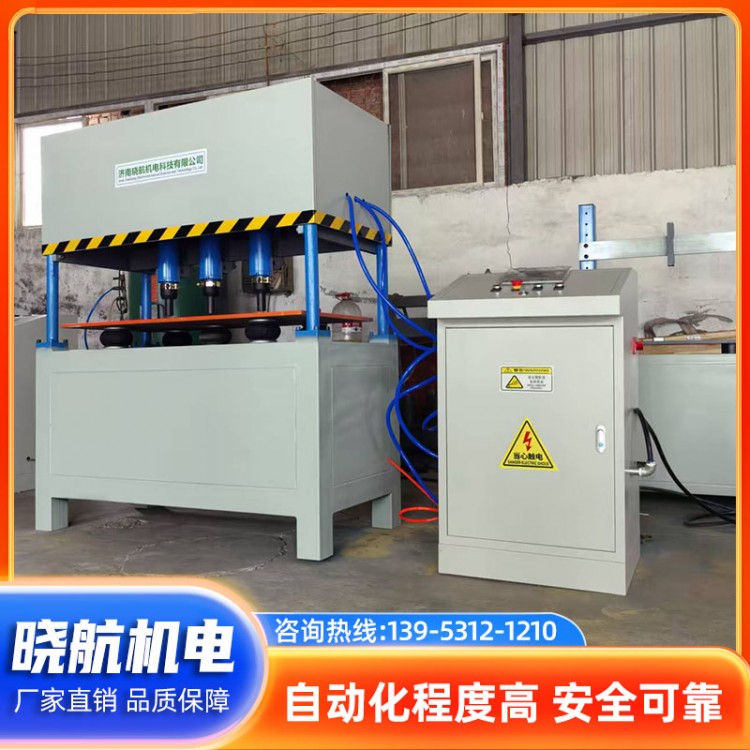
 Xiaohang Impact Hammer High-Frequency Sand Impact Machine - Fast processing speed, strong adaptability
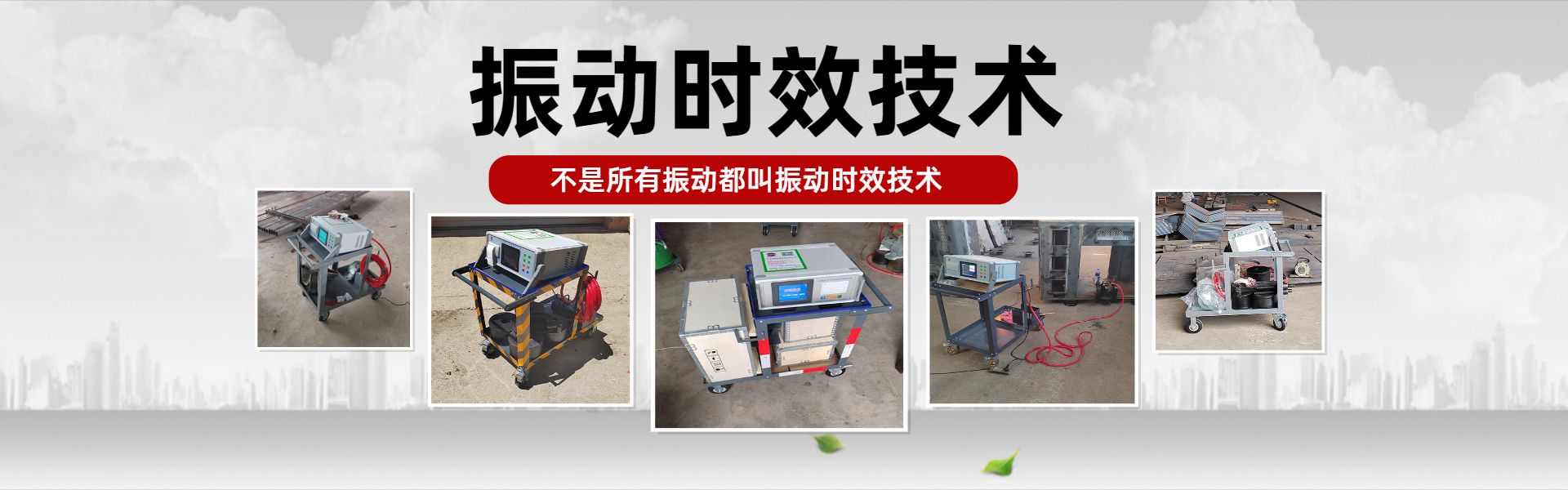
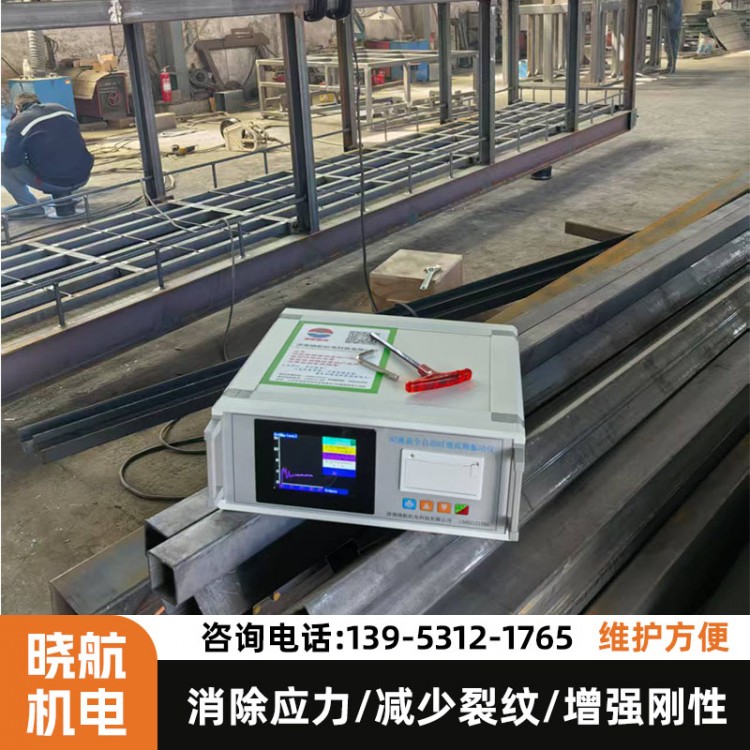 Vibration Aging Technology - Stress Relief for Welding, Prevents Deformation and Cracking
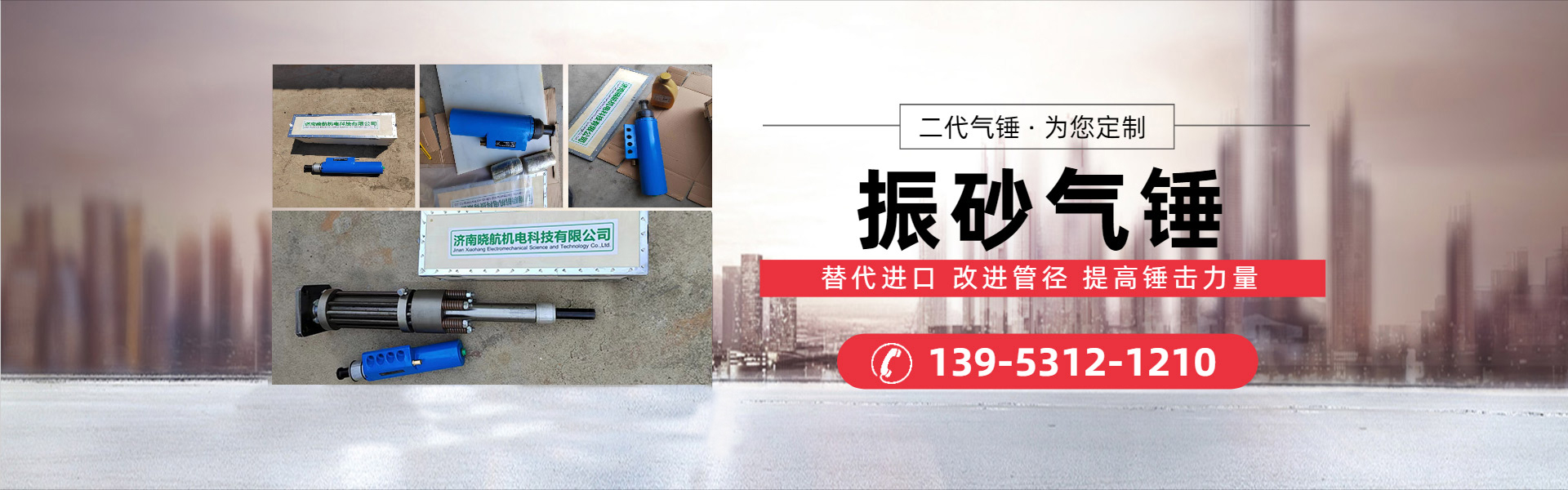
 Patented Second-Generation Pneumatic Hammer, Specialized Sand Vibrator Pneumatic Hammer, Sand Vibrating Pneumatic Hammer
 Xiaohang Technology Patent Second Generation Pneumatic Hammer, Specialized Sand Vibration Hammer, Sand Vibration Pneumatic Hammer
Product Details

Vibration Aging, Sand Vibrator, Air Hammer, Gating and riser cutter, etc.
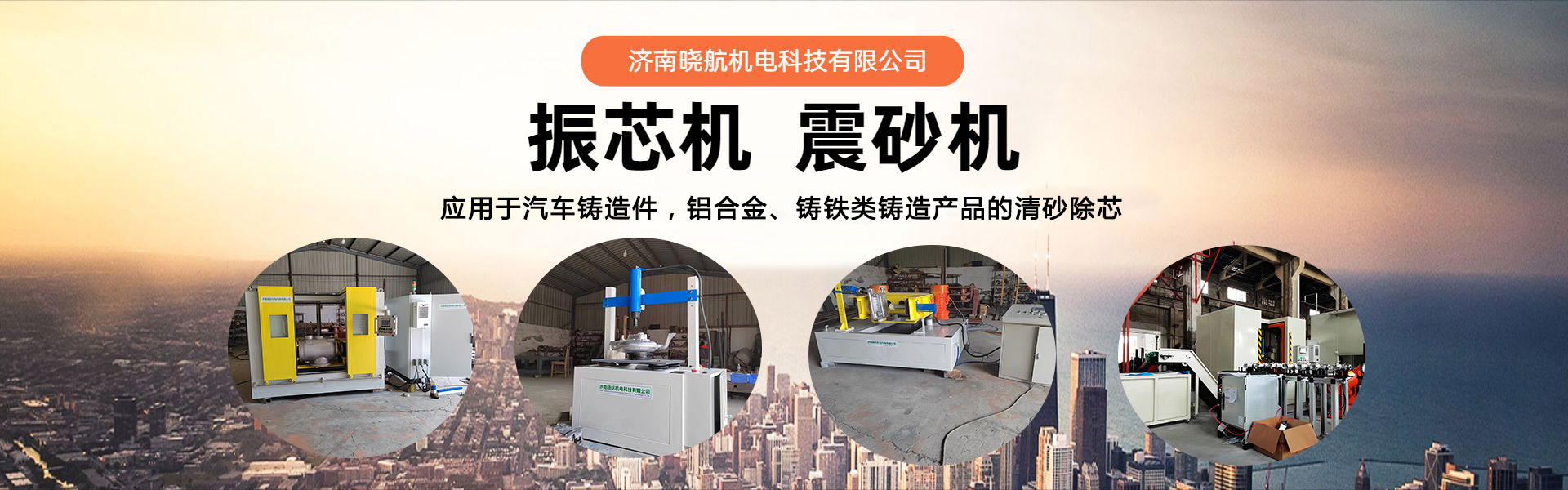
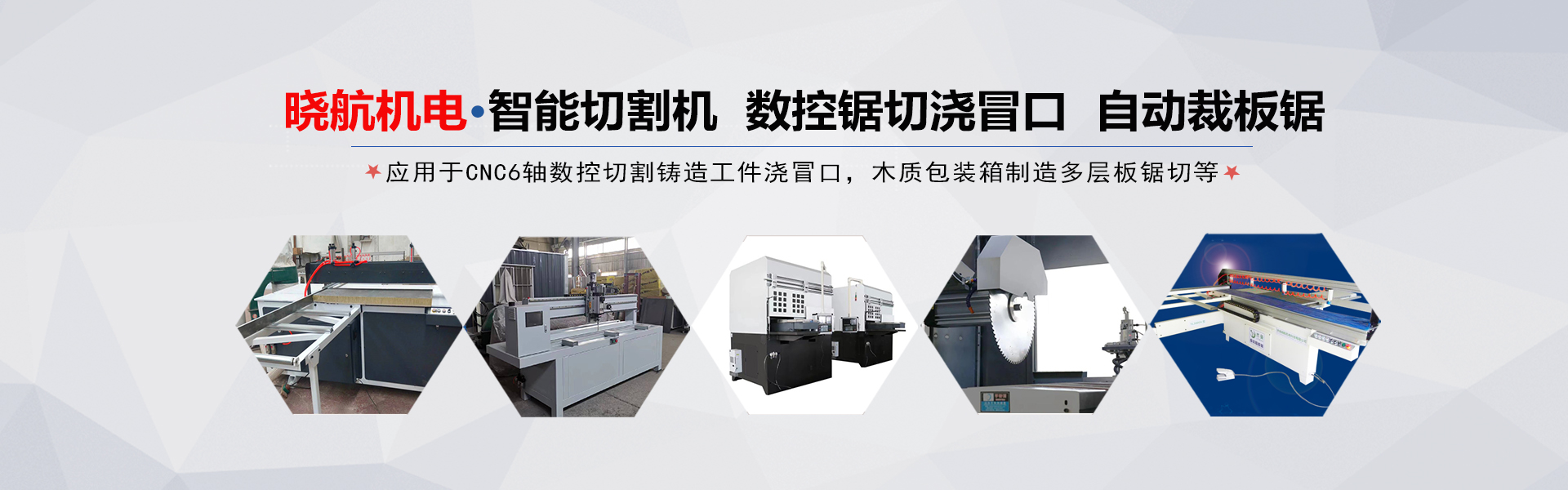

产品Price Negotiable
最小起订Quantity:1 供货总Quantity: 999


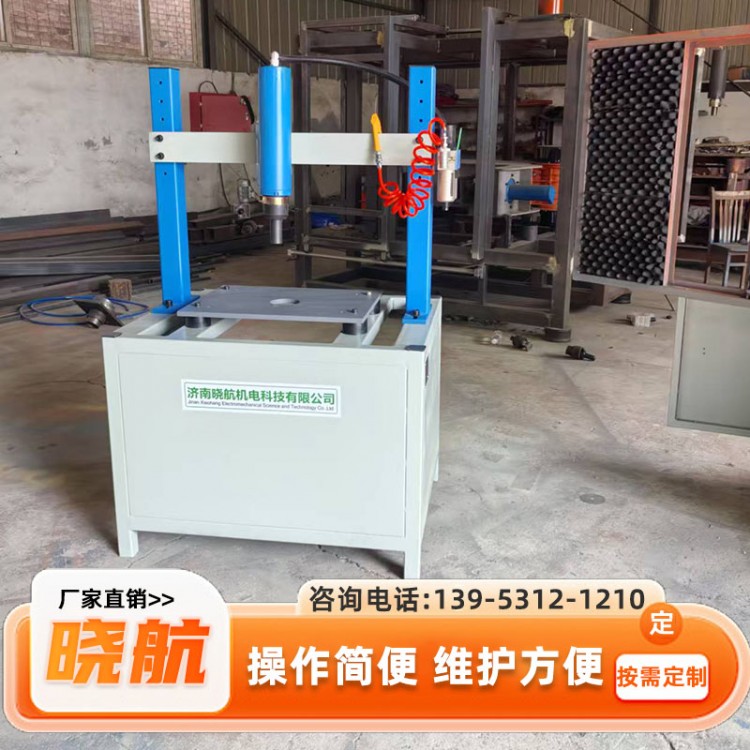 Simple Model Single Hammer Impact Sandblasting Machine, Core Cleaning, Simple Hammer Impact Type, Customizable
Negotiable
Simple Model Single Hammer Impact Sandblasting Machine, Core Cleaning, Simple Hammer Impact Type, Customizable
Negotiable
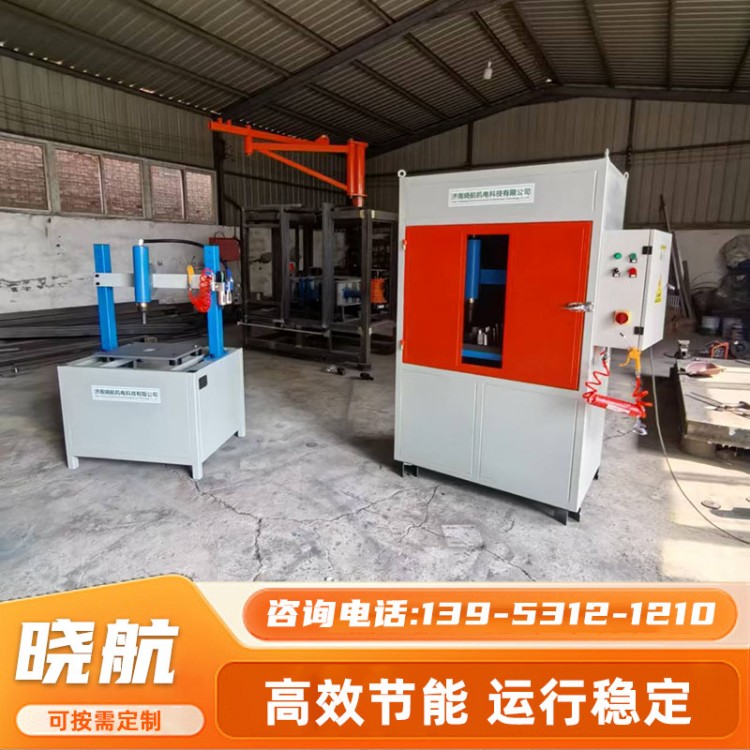 Xiaohang Sand Shaker - High Efficiency Dust Removal, Customizable, Excellent Screening Performance, Wide Adaptability
Negotiable
Xiaohang Sand Shaker - High Efficiency Dust Removal, Customizable, Excellent Screening Performance, Wide Adaptability
Negotiable
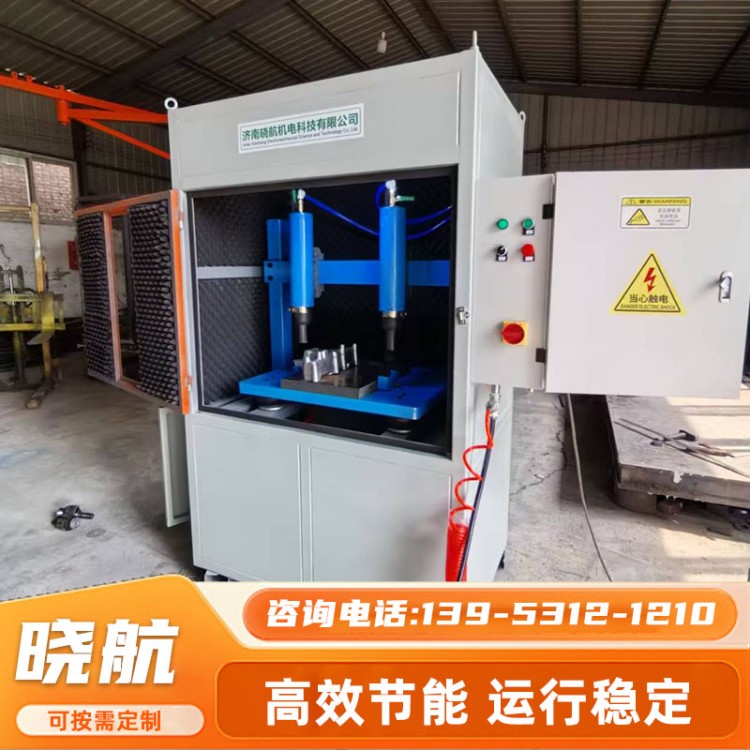 Xiaohang Insulation Dust and Vibration Sand Blasting Machine - Versatile, Safe and Reliable, Customizable Available
Negotiable
Xiaohang Insulation Dust and Vibration Sand Blasting Machine - Versatile, Safe and Reliable, Customizable Available
Negotiable
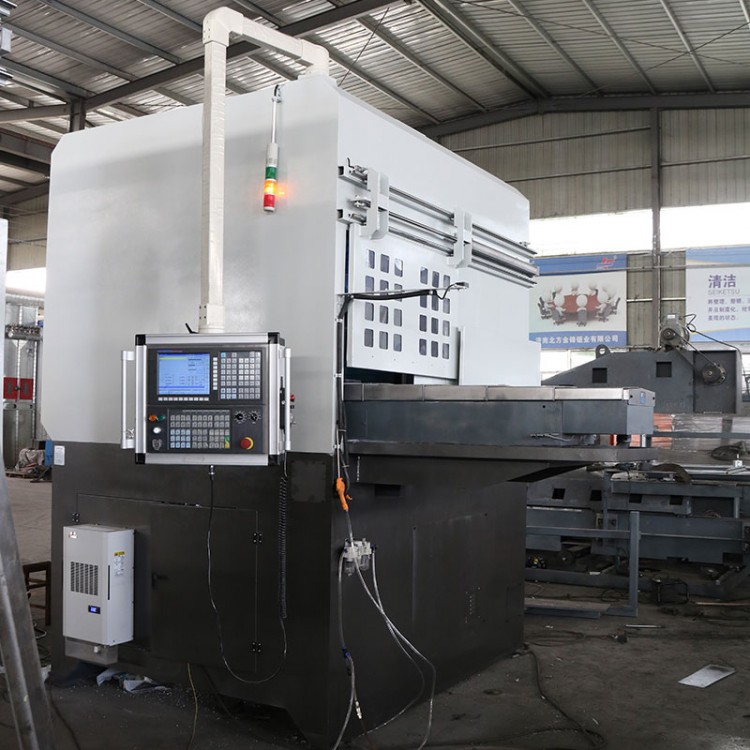
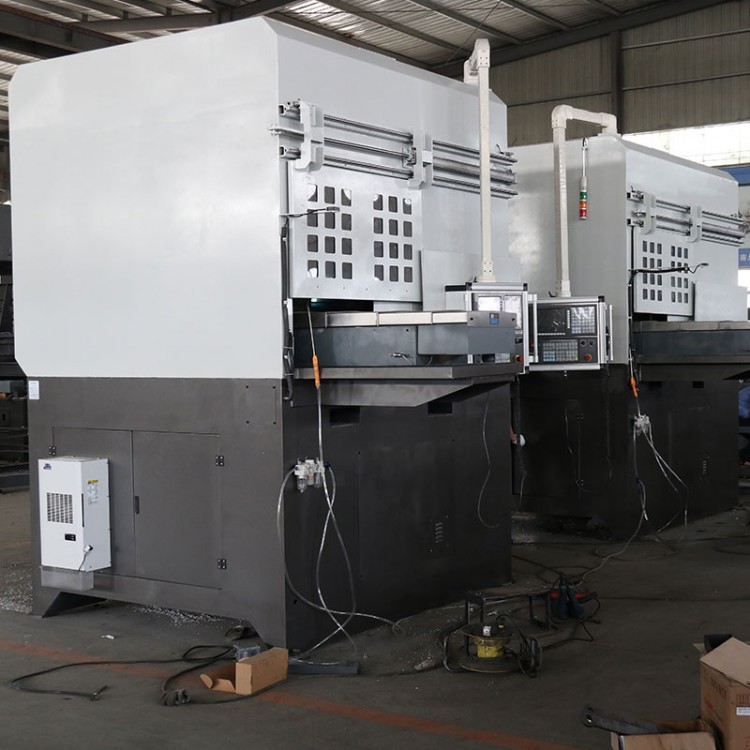
Circular saw blade machine specifications and structural features I. Equipment Overview This series of machine tools is primarily used for cutting risers on aluminum castings in die casting islands, featuring high cutting efficiency, energy-saving, and simple operation. This machine tool features a fully enclosed structure for processing, utilizing circular saw blades as cutting tools. It is controlled by a CNC numerical control system, enabling signal interaction with material feeding robots for automated sawing processes. The sawing speed is controlled via the CNC system. II. Performance Features 1. Designed specifically for cutting aluminum risers, featuring CNC system control for high precision and ease of operation. 2. Double-column structure with linear guide rail guidance, offering stable and reliable guidance. The fixture features a 90° flip design, allowing for the cutting requirements to be met with a single setup. 3. The servo motor drives the cutting motor to move along the Z and X axes for rapid approach to the workpiece positioning. The Y-axis servo motor feeds the workpiece, and after the fixture is flipped 90°, the联动 of the Y and Z axes allows for sawing off the riser along the workpiece contour. Quick forward and work feed. The transition between actions is stable, flexible, and reliable. 4. The risers after sawing are directly slid into the iron frame for collection via an incline. 5. Full machine external protection, with an additional feeding station on the guard cover for robot loading. 6. Fault alarm device, rapid fault diagnosis, easy for maintenance and repair. 7. Centralized lubrication for guide screws, equipped with an automatic lubrication pump. 8. Equipped with an air gun for easy chip cleaning 9. To ensure the stable performance of the entire machine, all components selected for this unit are from renowned brands both domestically and internationally. The main parts of the machine undergo heat treatment to guarantee the smallest geometric deformation for size stability. III. Brief Description of Equipment and Tooling Process 1. The workbench's starting position is on the outer side of the guard, serving as the loading and unloading station. 2. The robot (with the workbench at the loading station, no material on the cutting station) places the workpiece onto the fixture and the clamping mechanism secures it (upon receiving the signal from the robot that the material placement is complete). 3. The Y-axis drives the workbench workpiece into the equipment cavity, while the Z-axis and X-axis position the handle for sawing. 4. Cutting motor starts; Y-axis feeds to cut off the material handle. 5. The Z-axis and X-axis drive the cutting motor backward to a safe position 6. Garment Flip 90° 7. X-axis riser positioning 8. Z-axis and Y-axis联动 cutting risers along the workpiece contour 9. Cut motor stops, fixture resets, and the Y-axis with workpiece returns to the feeding position 10. Release the clamp and send the signal for the robot to pick up the material.


Phone Consultation