
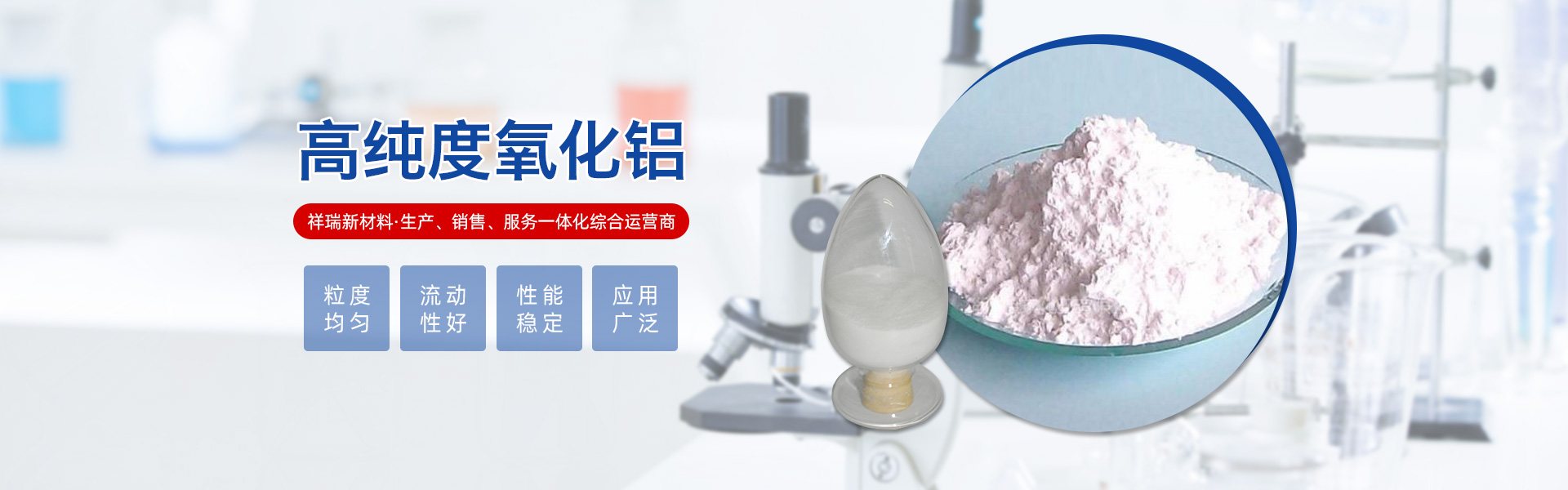
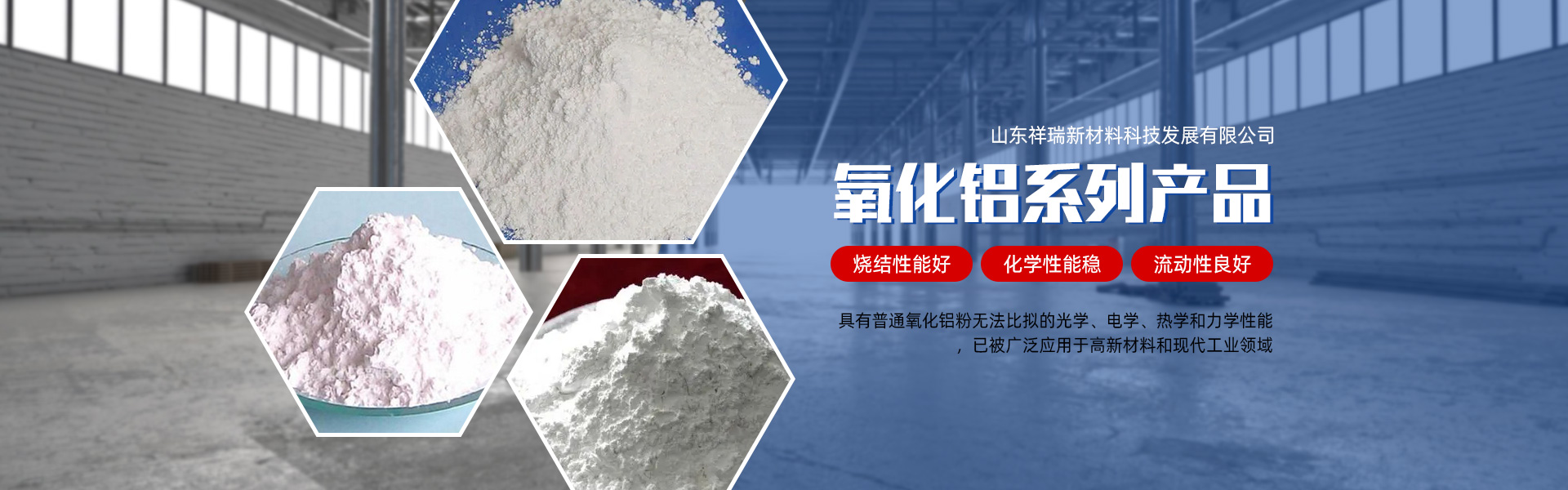

Bayer process is a widely used chemical process in the industrial production of alumina from bauxite, invented by the Austrian engineer Karl Josef Bayer in 1887. The basic principle involves converting aluminum hydroxide into sodium aluminate using a concentrated sodium hydroxide solution, then reprecipitating aluminum hydroxide through dilution and adding aluminum hydroxide seeds. The remaining sodium hydroxide solution is reused for processing the next batch of bauxite, achieving continuous production. 95% of aluminum companies worldwide use the Bayer process to produce alumina, most of which is used in the production of metallic aluminum. Active high purity alumina powder is a type of alumina with adsorption, catalytic activity, porosity, high dispersibility, and a large surface area.
High-purity alumina is widely used in applications such as trichromatic phosphors, YAG single crystals, artificial gemstones, high-pressure sodium lamps, and long-lasting phosphorescent matrix materials, as well as in high-tech industries like structural ceramics, bio-ceramics, and functional ceramics. Due to its excellent physical and chemical properties, customers can achieve satisfactory performance. High-purity alumina can be produced in powder, block, or cake form. It is packaged in double-layer inner polytetrafluoroethylene bags, with an outer layer of cardboard boxes, wooden boxes, or woven bags. High-purity alumina is typically stored in well-ventilated, dry, and clean storage facilities.
Many electric vehicles now utilize lithium-ion batteries, and high-purity alumina offers numerous advantages in their manufacturing, enhancing user safety and improving battery efficiency. Consumers can select high-purity alumina based on their product specifications.
