


To ensure the quality and safety of goods, the demand for cold storage temperature control technology is increasingly stringent. This article will introduce different types of cold storage and their temperature regulation methods.
1. Classified by cooling methods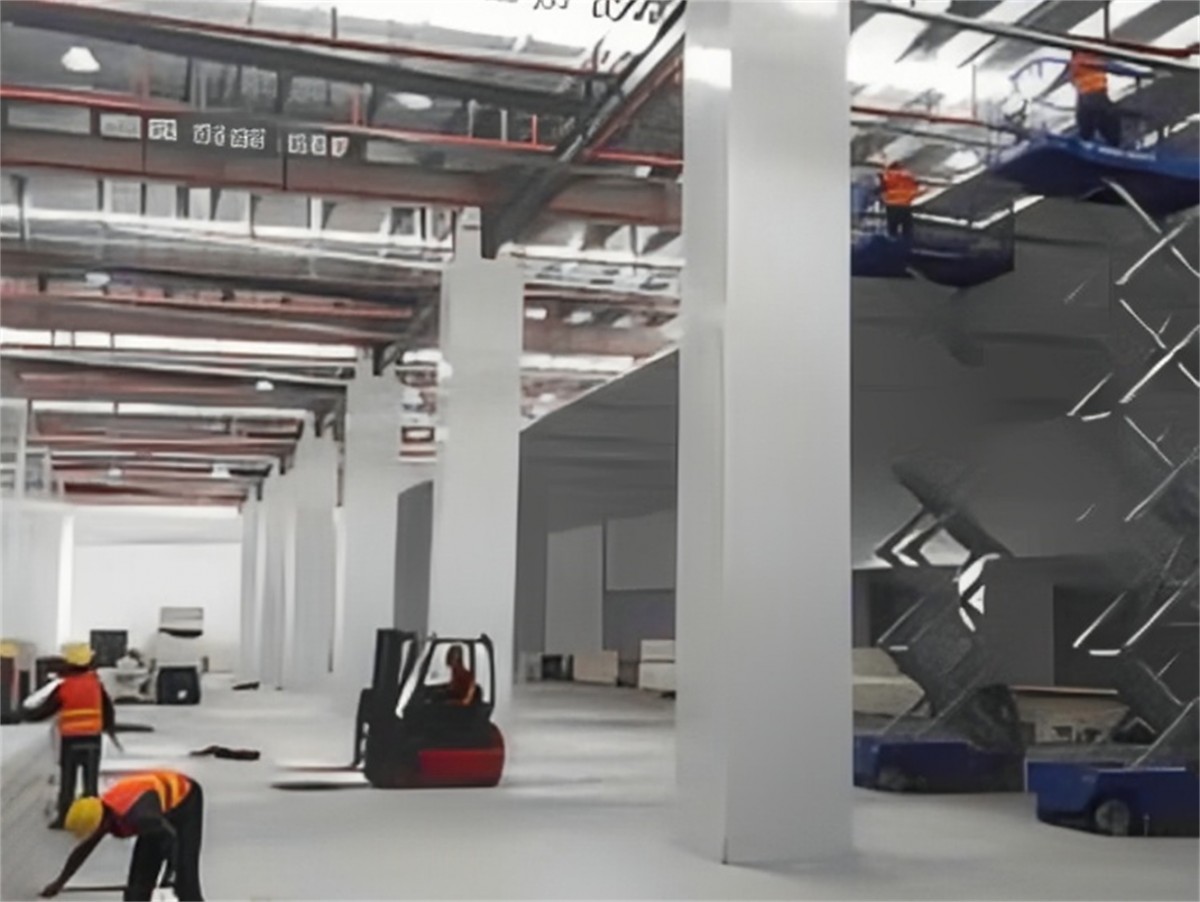
(1) Compressed Refrigeration: This process involves compressing the refrigerant using a compressor, which raises its temperature and pressure. The refrigerant is then cooled and condensed into a liquid by passing through a condenser. After passing through an expansion valve, the refrigerant's pressure drops suddenly, entering the evaporator to absorb heat and evaporate, thereby cooling the air inside the storage facility. Compressed refrigeration is the most commonly used refrigeration method in cold storage facilities.
(2) Absorption Refrigeration: Refrigeration achieved through the dissolution and precipitation of refrigerant in a solution. Absorption refrigeration offers benefits such as low energy consumption and environmental friendliness, but has lower refrigeration efficiency and is suitable for small refrigeration warehouses.
2. By warehouse structure classification
(1) Masonry Cold Storage: Cold storage constructed with materials like bricks and concrete, known for its excellent thermal insulation and long lifespan. However, it comes with a higher construction cost.
(2) Steel Structure Cold Storage: Utilizing steel as the primary structural material, it boasts advantages such as a short construction period and low cost, although it has relatively poor thermal insulation properties.
3. Categorized by temperature range
High-Temperature Cold Storage: Primarily used for storing fresh produce such as fruits and vegetables, with temperatures typically ranging between 0°C and 4°C.
(2) Medium-Temperature Cold Storage: Primarily used for storing food items such as meat and seafood, with temperatures typically around -18°C.
(3) Low Temperature Cold Storage: Primarily used for storing frozen foods, with temperatures typically below -20°C.
4. Temperature Control Methods
(1) Manual Adjustment: By manually operating compressors, expansion valves, and other equipment, the flow and pressure of the refrigerant are adjusted to achieve temperature control. The manual adjustment method is simple and easy to implement, but has lower precision; it is suitable for small cold storage facilities.
(2) Automatic Control: By installing temperature sensors, controllers, and other equipment, automatic detection and adjustment of the cold storage temperature can be achieved. The automatic control method offers high accuracy and can be unattended, making it suitable for large-scale cold storage facilities.
