


Refrigeration Storage Installation & Refrigerant Fan Installation
When selecting hoist positions for cold storage installation, prioritize locations with better air circulation, taking into account the orientation of the storage structure.
2. The gap between the cold air blower and the racking should be greater than the thickness of the cold air blower.
All cold fan suspension bolts should be fully tightened and sealed with sealant to close the bolt and suspension bolt holes, preventing cold bridges and air leaks.
4. When ceiling fans are too heavy, use No. 4 or No. 5 angle iron to construct lintels, which should span across to the other ceiling panel and wall board to alleviate the load.
Refrigeration unit assembly and installation
1. Semi-hermetic or totally enclosed compressors should be equipped with an oil separator and filled with an appropriate amount of lubricating oil. When the evaporation temperature is below -15 degrees Celsius, a gas-liquid separator should be installed along with an adequate amount of refrigerating oil.
2. The base of the cold storage compressor should be mounted with vibration-dampening pads.
The installation of the equipment should allow for maintenance space, facilitating observation of the instruments and adjustment of the valves.
4. High-pressure gauges for cold storage installations should be mounted at the three-way valve of the storage tank.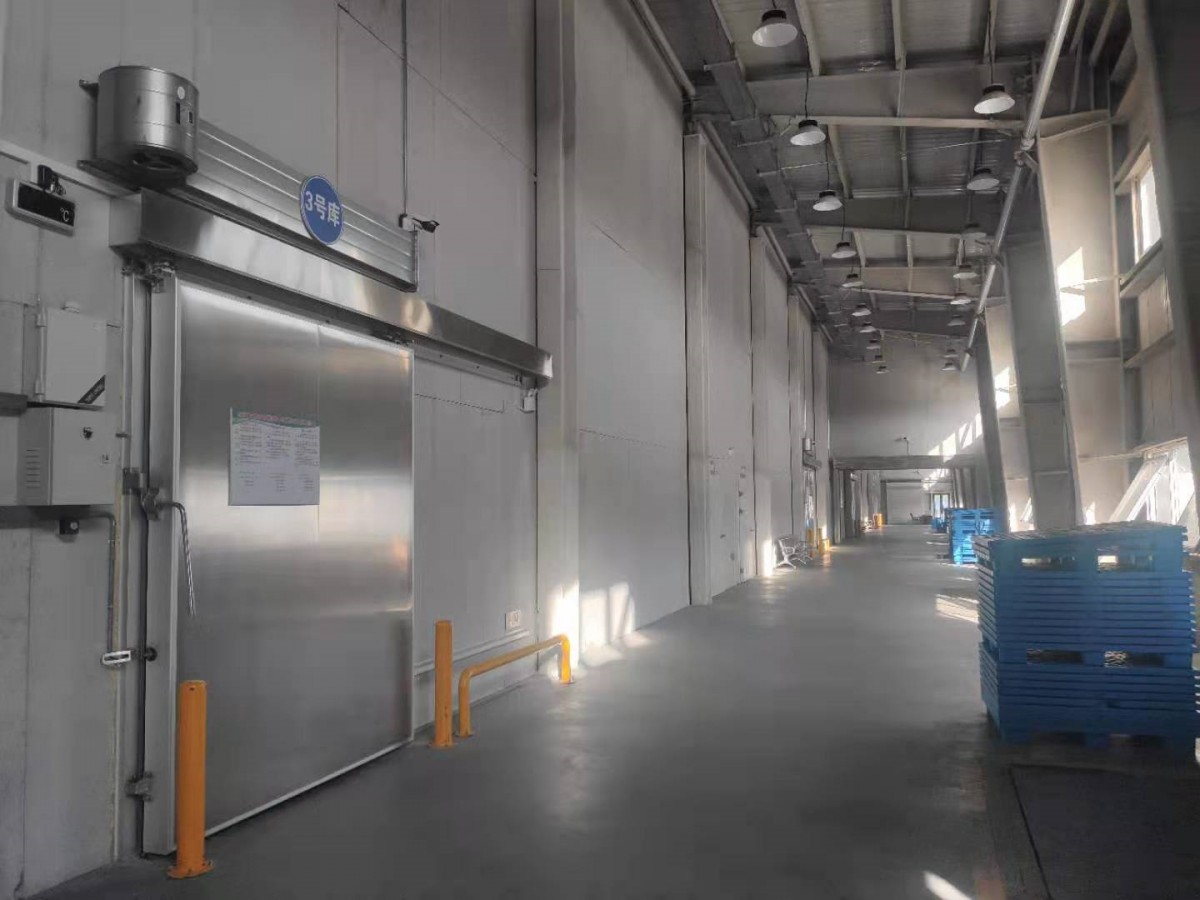
Section 3: Refrigeration System Tuning
Inspect all valves in the refrigeration system to ensure they are in the normal open position, particularly the exhaust cutoff valve; do not close it.
2. Open the condenser's cooling water valve. For an air-cooled condenser, turn on the fan and check the direction. The water and air flow should meet the requirements.
3. Electrical control circuits should be tested individually in advance, and attention should be paid to whether the supply voltage is normal before startup.
4. Ensure that the oil level in the compressor crankcase is at the normal position, typically maintained at the horizontal centerline of the oil sight glass.
5. Perform a point start on the refrigeration compressor and check for normal operation. Verify that the rotation direction of the compressor is correct.
6. Once the compressor starts, check the high and low-pressure gauge readings to ensure they are within the normal operating pressure range of the compressor, and also inspect the oil pressure gauge reading.
7. Listen for refrigerant flow sounds in the expansion valve and observe if there is normal condensation and frosting on the pipeline after the expansion valve. During the initial operation, the unit should run at full load, which can be determined by the temperature of the cylinder head felt by hand.
Safety devices in the refrigeration system, such as high and low-pressure relays, oil pressure differential relays, cooling and chilled water cutoff relays, frozen water protection relays, and safety valves, should have their operation verified during the debugging phase to prevent malfunctions or inaction.
