







Gas Vent Ignition Device Torch Head Unveiled


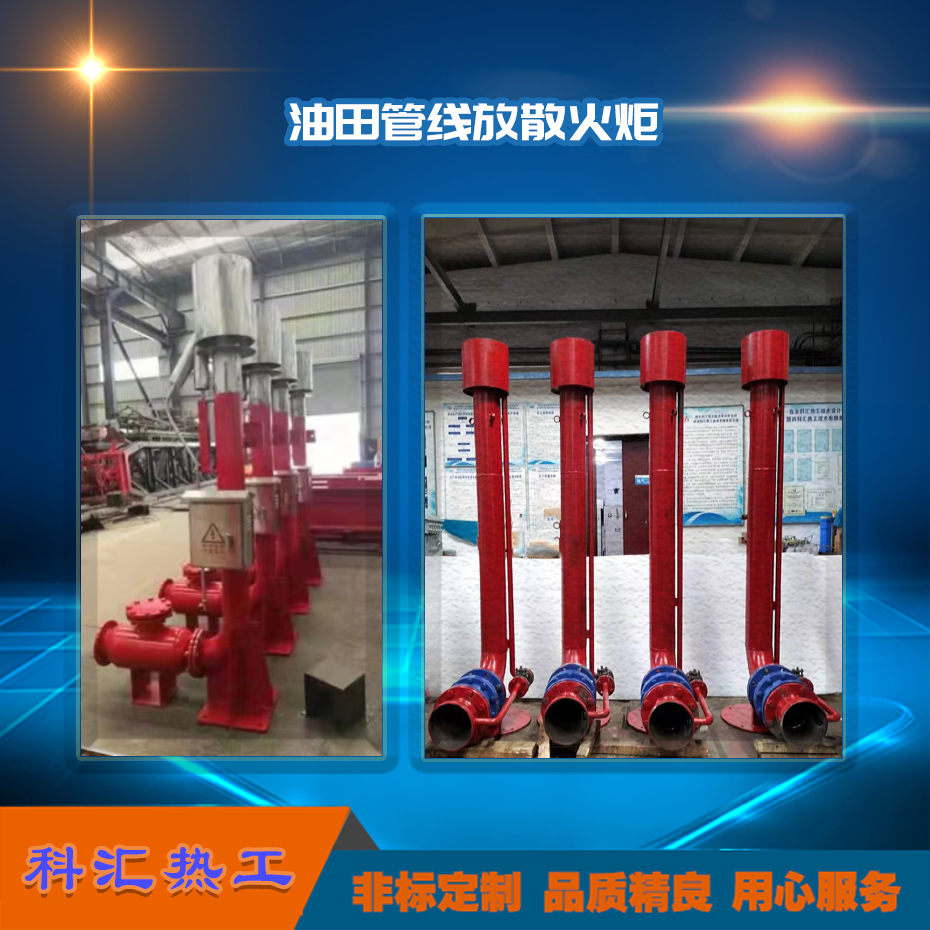
In a gas venting ignition device, what's crucial is undoubtedly our torch head. The function of the torch burner is to mix gas and air to ensure complete combustion of the vented gas, while the flame arrestor ensures the safety of the ignition device itself. We usually have little insight into the internal state of the torch burner. So today, let's unveil this mystery. What secrets does our torch head hold? Before diving into the details, let's recall that we've mentioned the torch burner in our past articles, albeit in a brief introduction. Today, let's take a closer look. What does the torch burner in the gas venting ignition device contain? The torch burner mainly includes: 1. Windscreen: A windscreen is installed at the top of the torch head, which draws in the required portion of air for the blast furnace gas combustion from below the windscreen and mixes it thoroughly with the vented gas, ensuring complete and stable combustion of the blast furnace gas. It also significantly enhances the device's ability to withstand adverse weather conditions (strong winds, heavy rain, heavy snow) during venting. 2. Swirl Vanes: Designed using advanced three-dimensional flow theory and methods, the swirl vanes are a high-performance structure with minimal flow resistance. They enable the low calorific value vented gas to reach a uniformly flowing field at the torch head, allowing for thorough and stable combustion. 3. Companion Burner Tube: The companion burner tube uses blast furnace gas as the companion gas. In cases of increased emissions or other special situations, the companion burner tube is activated to use blast furnace gas as the companion gas to ensure normal combustion and emission of the torch vented gas without flameout. Several burners are set up on the companion burner tube to stabilize the companion flame and improve the companion effect.
4. Speed Sealing Device for Gas Discharge Ignition System, DN900, Material Q235; the seal is installed below the torch head, primarily to prevent air from flowing back into the torch筒 body after gas discharge, ensuring no flashback or explosion occurs during subsequent emissions, thereby guaranteeing the safety of the blast furnace gas discharge system. The working principle of the speed seal: as the sealing gas flows from the bottom of the burner to the speed seal, its flow rate increases with the decrease in cross-sectional area, and is ejected from the top of the speed seal. This way, the sealing gas with higher flow rate carries the air that is sprayed back to the top of the burner and into the atmosphere, effectively preventing flashback. It also protects the lower equipment. The setup of the speed seal eliminates the need for multiple, repeated nitrogen blowouts required without a sealing device, thus reducing engineering investment and the consumption of sealing gas, effectively controlling operating costs. The torch burner of the gas discharge ignition system is a key equipment in the entire system. Even under harsh conditions (short-term overload, very small discharge volume, high water content in gas, strong wind, heavy rain, etc.), it only requires a small amount of auxiliary combustion gas to ensure the complete combustion of a large volume of low calorific value gas discharge, significantly reducing environmental pollution.
