


In China, the labeling of textiles and clothing is mainly governed by the mandatory national standards GB 5296.1-1997 "General Principles of Consumer Product Instructions" and GB 5296.4-1998 "Instructions for Use of Textiles and Clothing." They stipulate the fundamental principles, content, and requirements for labeling and marking on textile and clothing products.
Here are the detailed standards for labeling of textiles and clothing in China:
Universal
GB 5296.1-1997 "General Principles for Instructions for Use of Consumer Products"nsumer interest--General principles)
GB 5296.4-1998 "Instructions for Use of Textiles and Garments in Consumer Product Instructions"nsumer interest--Instructions for use of textiles and apparel)
Fiber Name, Content
GB/T 15557-1995 "Terms Used in the Clothing Industry"
FZ/T 01053-2007 "Textiles—Identification of Fiber Content"
GB/T 11951-1989 "Textiles - Terms for Natural Fibers"
GB/T 4146-1984 "Textile Terminology (Part for Chemical Fiber)"
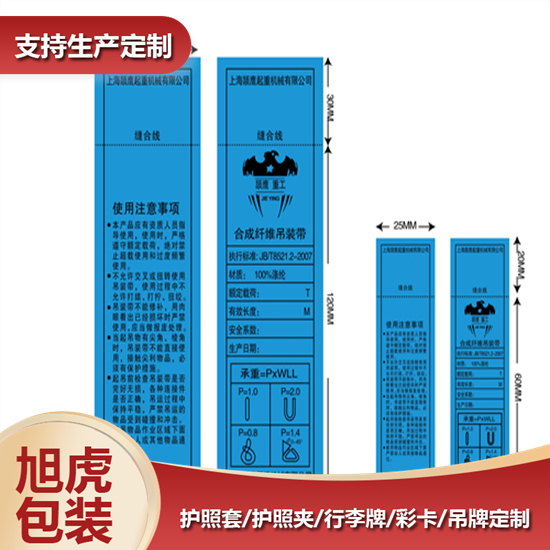
Maintenance Label
GB/T 8685-1988 "Graphical Symbols for Care Instructions on Textiles and Apparel"
Garment Sizes
GB/T 1335.1-1997 "Clothing Size Designation - Men"
GB/T 1335.2-1997 "Size Designation of Clothing - Women"
GB/T 1335.3-1997 "Clothing Size Designation - Children"
The recommended standards should be treated as mandatory.
For婴幼儿clothing and flame-retardant textiles, clear labeling and instructions are required, as stipulated in the following mandatory national standards:
GB 18401-2003 "Basic Safety Technical Specification for National Textile Products" (National general safety technical code for textile products)
GB 8965-1998 "Flame-retardant Protective Clothing"
GB 17591-2006 "Flame Retardant Fabrics"
Various clothing sizes
GB/T 6411-2008 "Knitted内衣Standard Sizes Series"
GB/T 2667-2002 "Men's and Women's Shirt Specifications"
GB/T 2668-2002 "Men's and Women's Single Suit Sets Specifications"
GB/T 14304-2008 " Specifications for worsted suit sets"
Please provide the Chinese content to be translated.
1. Marked Content
(1) Product Name
Product names should indicate the true attributes of the product and comply with the following requirements:
When national or industry standards specify product names, the names as defined by these standards should be used.
b. When national or industry standards do not specify product names, common names or colloquial terms that do not mislead or confuse consumers should be used.
When labeling "Odd Name" or "Trademark Name," the specified name in (1) and (2) should be clearly marked in the same location.
(2) Manufacturer's Name and Address
Textile and apparel manufacturers must state their legally registered name and address.
Imported textiles and clothing must be labeled in Chinese to indicate the country or region of origin of the product, as well as the legally registered name and address of the agent, importer, or seller in China.
(3) Sizes and Specifications
Textile products should be labeled with models or specifications in accordance with relevant national and industry standards. Garment products should be marked with garment sizes according to the requirements of GB/T 1335.1~1335.3.
(4) Raw Material Composition and Content
Products must specify the names and contents of the raw materials used, with the fiber content in textiles complying with the provisions of FZ/T 01053. An example of the marking can be found in Appendix A (the standard's appendix). Leather clothing should indicate the type of leather used, with the type name indicating the true attributes of the product. Where there are standard specifications, they should comply with relevant national, industry, or enterprise standards.
Washing Method
a. Wash methods should be described using graphic symbols as specified in GB/T 8685, with corresponding simple descriptive text alongside the graphic symbols, if applicable.
b. When graphic symbols are insufficient, concise text can be used for explanation, but it must not be listed alongside the annotations of the graphic symbols.
c. The dry cleaning symbols can be supplemented with letters A, P, or F to indicate the type of dry cleaning solvent (refer to Appendix B of GB/T 8685).
Graphical symbols and corresponding Chinese-English tables for washing methods as specified in GB/T 8685 are provided in Appendix 1 at the end of the text.
(6) Cautionary Notes and Warnings (Usage, Storage)
Products prone to damage due to improper use should be clearly marked with usage precautions. Products requiring storage should be briefly indicated with storage methods.
(7) Production Date, Shelf Life
Products requiring expiration dates should be clearly marked with the production date and shelf life (dates should be listed in the order of year, month, and day).
(8) Other Content
Product Standard Number: The standard number of the national, industry, or corporate standard for the product executed should be indicated.
b. Quality Grade: Products specified with quality (grade) levels in the product standards shall be marked with their quality grades according to the relevant product standards.
c. Quality Inspection Certificate: Each product (sales unit) of domestically produced qualified products should have a quality inspection certificate of conformity upon shipment.
Certification Mark: Applicable certification marks obtained after the textile and apparel products have passed the qualified assessment.
2. Marking Style
(1) Form of Existence: Adopted in the following forms based on the characteristics of the product:
a. Direct usage instructions printed or woven onto the product;
b. Labels stitched, glued, or hung on products;
c. Usage instructions directly printed on product packaging.
Labels affixed to product packaging
d. Documentation provided with the product.
(2) Manufacturing Materials and Methods
Instructions should be made from appropriate materials and methods, remaining clear and legible throughout the product's lifespan. Labels sewn onto the product should have materials with a shrinkage rate similar to the base material if the seam extends beyond one side.
b. If the product is packaged, displayed, or rolled, the consumer may not easily find the information marked on the product itself. In such cases, additional forms of usage instructions should be used to convey this information.
When multiple forms of instructions are present, consistency in content should be maintained.
(3) Location
Instructions for use should be attached to a conspicuous or appropriate location on the product or packaging.
b. Instructions should be provided per individual product or sales unit.
c. Durable label placement:
(a) The durability label should be affixed to the product in a suitable location.
(b) Label Position of Apparel Products:
—— Garment product size labels or specifications are typically sewn centrally on the back collar. For overcoats and suits, they can also be sewn along the top or bottom edge of the inside breast pocket; for pants and skirts, they can be sewn along the bottom edge of the waist lining.
— Fabric content and proportions, washing instructions, and other labels for apparel items are typically sewn into the lower part of the left side seam. For skirt and pants, they can be sewn onto the underside of the waistband or the upper side seam of the left skirt or pants.
(C) Labels for scarves and shawls can be stitched at the corner edges.
(d) The tie label can be sewn onto either the wide hem seam or the narrow hem seam on the back.
(e) Labels for home textiles (tablecloths, sheets, towels, duvet covers, blankets, etc.) can be sewn into the corner edges.
(f) Location of instructions on fabrics, woolen yarns, sewing threads, socks, and other textiles:
Instructions for fabric usage can be placed in one of the following ways: Attach the label or tag to the end of the fabric roll; or print or weave it onto the selvage.
Instructions for绒线和缝纫线 usage can be labeled on hangtags or the bands of spools, balls, and bundles of thread.
Instructions for the use of socks can be labeled on the tag at the sock cuff.
Other textile labels can be placed in appropriate locations.
(g) The placement of labels on special craft items can be set according to need.
(4) Expression Elements
Identify, read, and maintain durability requirements
Instructions should be clear and prominent. Graphics and symbols should be intuitive and standardized. The colors of the text, graphics, and symbols should contrast with the background or base color.
b. Text and language requirements
Instructions should use standardized Chinese characters as specified by the national regulations. Simultaneous use of corresponding pinyin, foreign languages, or ethnic minority scripts is permitted, but the font size of pinyin and foreign languages should not exceed that of the corresponding Chinese characters.
c. Portfolio
Product sizes or specifications, ingredients and concentrations of raw materials, and washing methods should be labeled with durable tags. The ingredients and concentrations of raw materials, as well as washing methods, are recommended to be combined and labeled on a single tag.
