
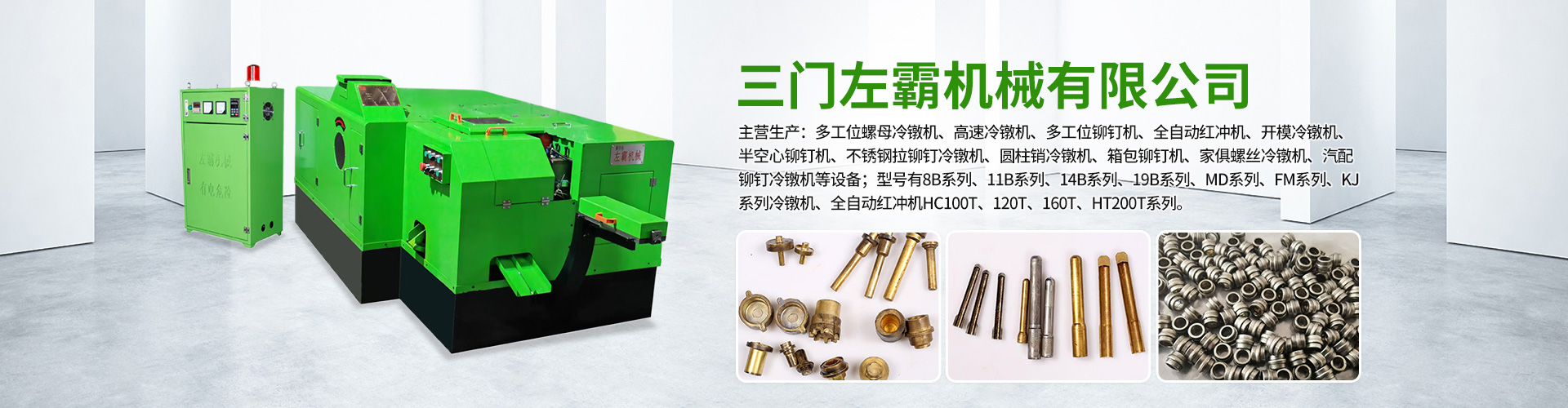

The primary distinctions between punch presses and red punch machines are as follows:
Operation Principle:
Press Brake: Through the interaction between the punch and die, metal sheets are subjected to stamping, shearing, and stretching processes. The effectiveness of the processing largely depends on the design of the die and the precision of the punch.
The Red Punching Machine: It performs stamping operations under high-temperature conditions, utilizing the heat to raise the temperature of the metal materials to a certain level, placing them in an excellent plastic state. Then, through the application of stamping pressure, the metal materials undergo plastic deformation, achieving the desired shape and size.
Application Scenarios:
Press brakes: Widely used in the processing of various metal sheets, such as in electronics, telecommunications, computers, household appliances, furniture, and transportation vehicles (cars, motorcycles, bicycles), as well as hardware components.
Red-Crushing Machine: Ideal for the production of complex shapes and high-precision parts under high-temperature conditions, suitable for industries such as automotive, machinery, and electrical equipment.
Equipment Structure:
Press Brake: Focuses more on the precision and durability of critical components such as punches and molds.
Red blasting machine: Typically equipped with heating devices and temperature control systems to ensure that metal materials maintain appropriate temperatures during the processing.
In summary, there are significant differences in the working principles, application scenarios, and equipment structures between press brakes and red press machines. In practical applications, it is necessary to select the appropriate equipment based on specific processing requirements.
