
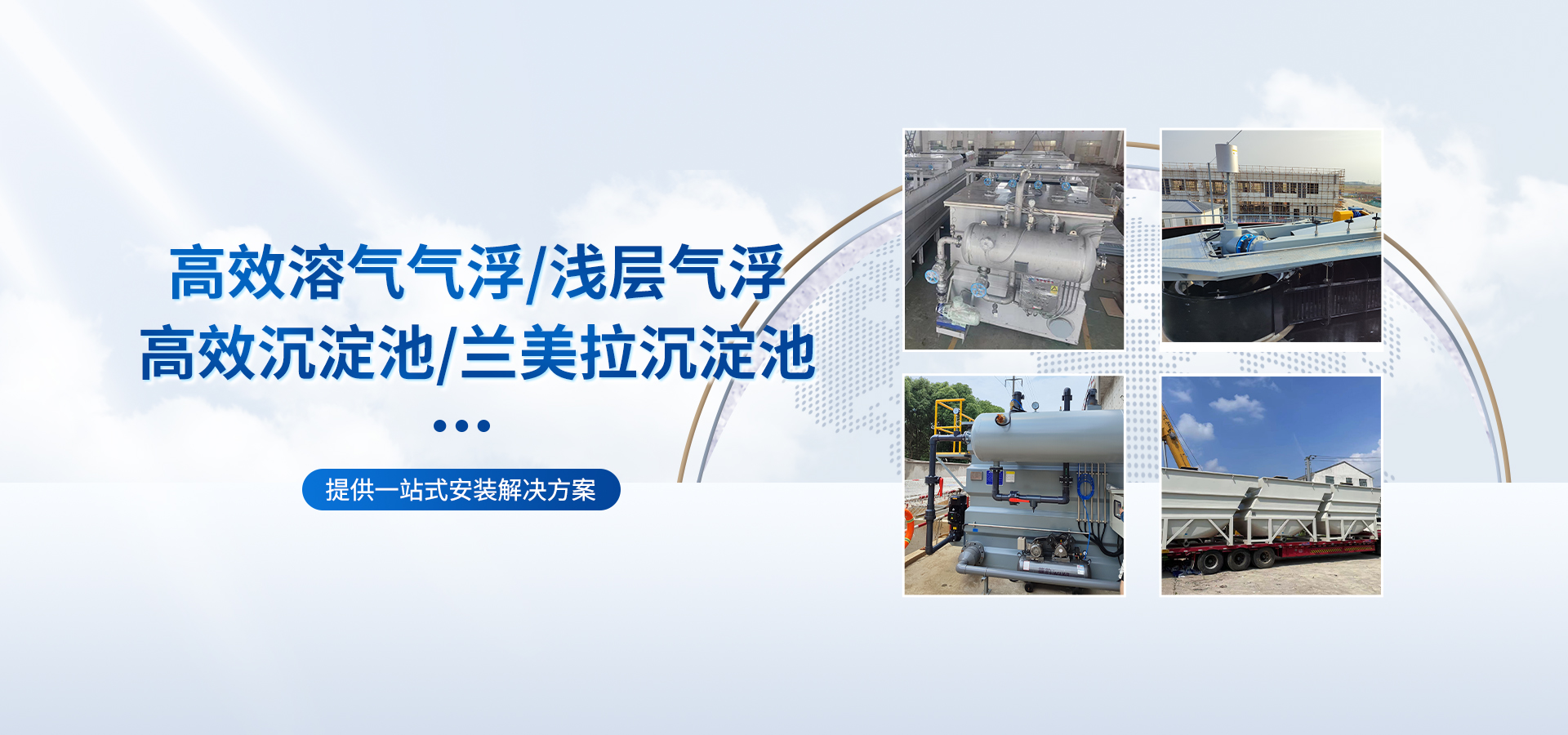
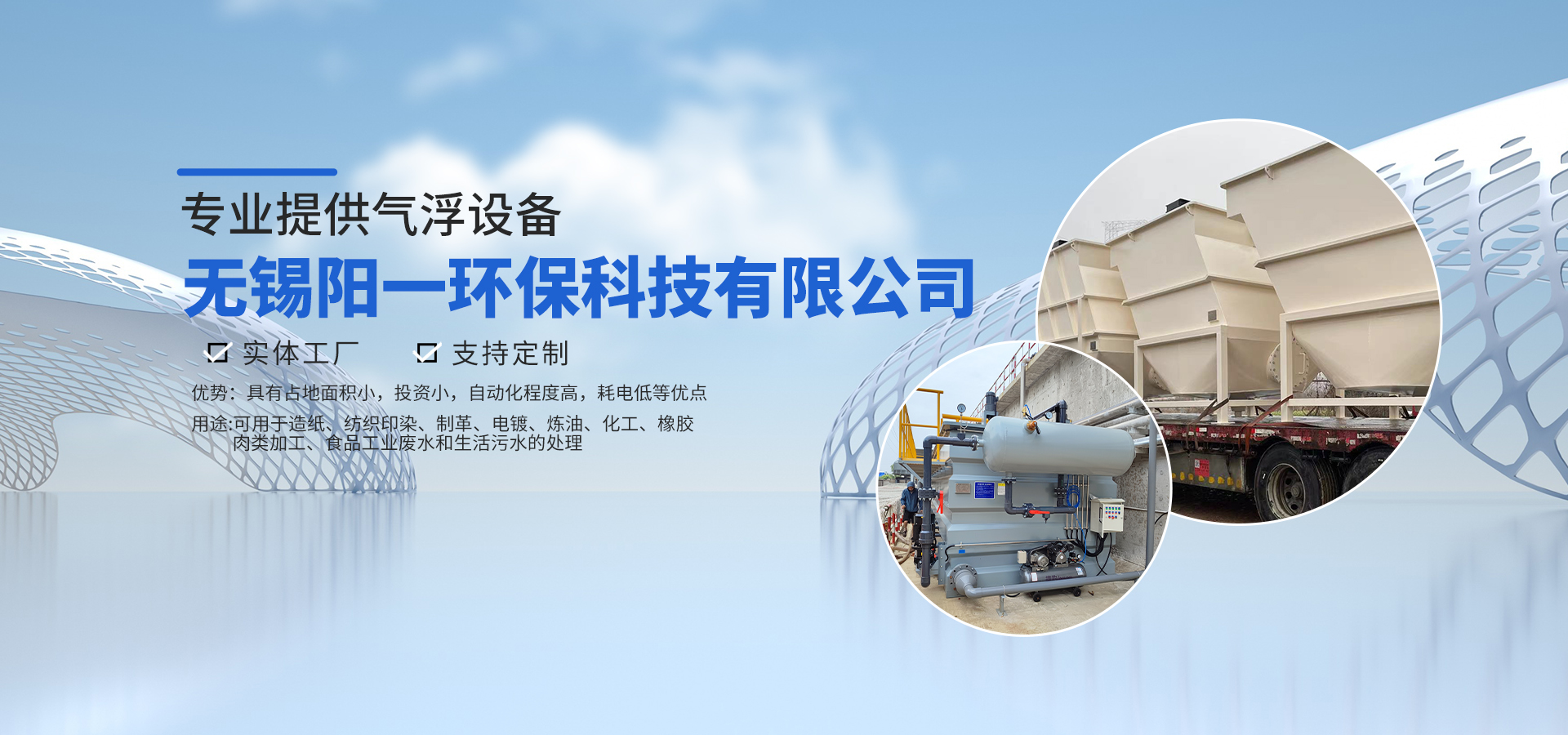

As environmental protection policies become increasingly stringent and public demands for water quality improve, the wastewater treatment industry is facing unprecedented challenges and opportunities. To meet these challenges and seize the opportunities, many environmental protection companies are increasing their R&D investments and upgrading their wastewater treatment equipment. Recently, a well-known environmental protection company successfully completed the full upgrade of the Lameira sedimentation tank equipment, significantly enhancing the wastewater treatment capacity and effectively reducing operational costs, setting a new benchmark for the industry.
The Lameira Sedimentation Tank, as an efficient water treatment equipment based on the shallow pond theory, has won widespread market recognition since its launch due to its superior sedimentation performance and stable operational characteristics. This upgrade focuses on optimizing the key components of the Lameira Sedimentation Tank, utilizing more advanced materials and manufacturing processes. This has further enhanced the equipment's corrosion and wear resistance, extending its service life. Additionally, through adjustments and optimizations of the internal structure of the sedimentation tank, the water flow distribution is made more even, improving sedimentation efficiency and reducing the occupied area.
Notably, the upgraded Lamira settling pond has also made significant breakthroughs in automation control. The company has introduced an advanced PLC control system, achieving real-time monitoring and precise control of the equipment's operating status. This improvement not only reduces manual operation costs but also enhances the stability and reliability of the equipment, ensuring consistent and compliant water quality.
In real-world applications, the upgraded Lanmeila sedimentation tank has demonstrated its powerful wastewater treatment capabilities. Whether in municipal wastewater treatment, industrial wastewater treatment, or other fields, the equipment achieves efficient solid-liquid separation at a low operational cost, removing suspended solids, colloids, and certain dissolved pollutants from the water, creating favorable conditions for subsequent advanced treatment or reuse.
Additionally, the upgraded Lanmei La sedimentation pond now boasts enhanced energy-saving capabilities. By optimizing the equipment structure and improving operational efficiency, the device has achieved significant results in reducing energy consumption, saving the company substantial operational costs. Simultaneously, its excellent environmental performance aligns with the current national requirements for green development and energy conservation.
In summary, the upgrade of Lameira's sedimentation pool equipment not only enhances the wastewater treatment capacity but also reduces operational costs, injecting new momentum into the company's sustainable development. We have every reason to believe that in future growth, the upgraded Lameira sedimentation pool will play a crucial role in more fields, making greater contributions to water quality improvement and ecological environment protection.
