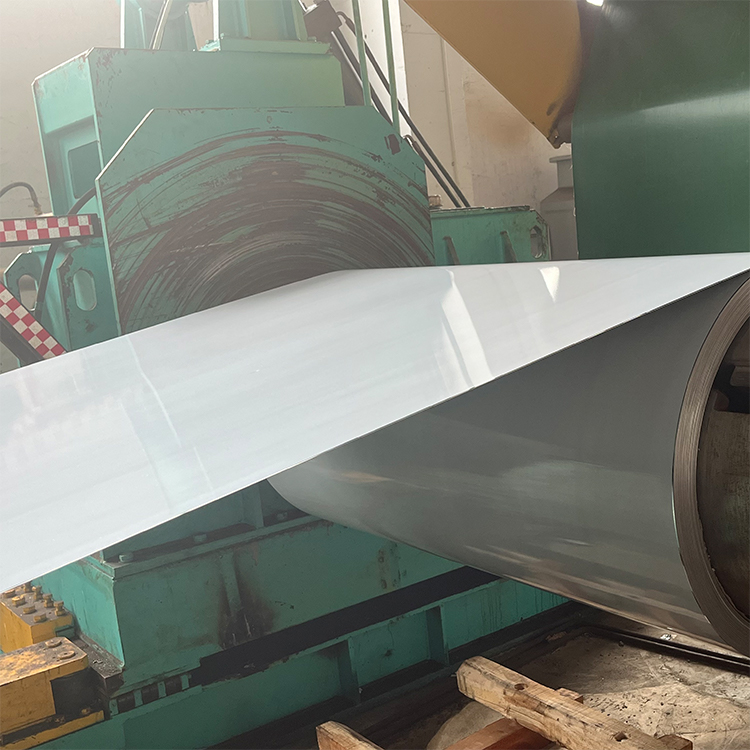

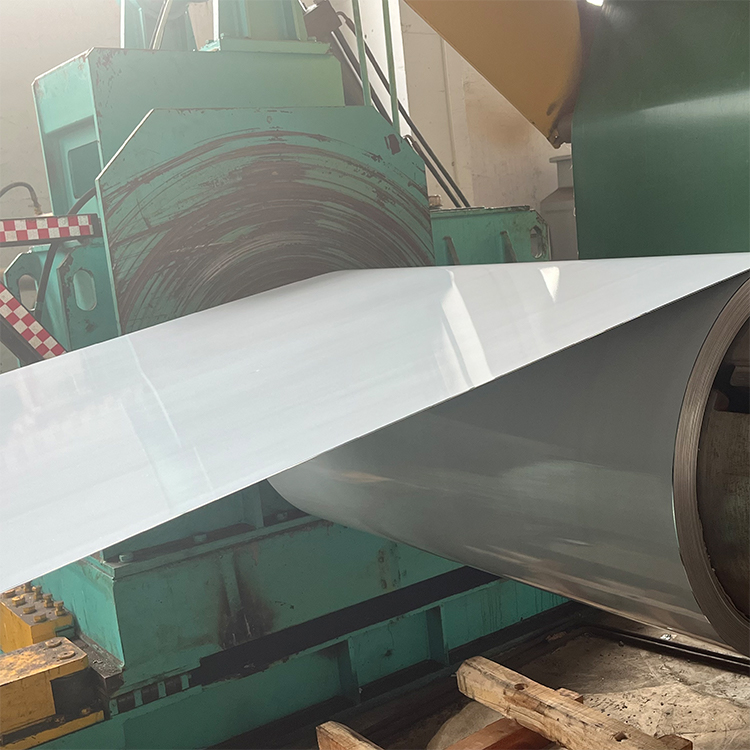


Stainless steel cold-rolled sheet is a type of stainless steel plate produced through the cold rolling process. It involves further rolling hot-rolled steel plates to the desired thickness at room temperature. This sheet boasts uniform thickness and high surface finish, characteristics that make it excel in dimensional accuracy and surface quality, particularly suitable for applications with high precision requirements. Compared to hot-rolled steel plates, cold-rolled steel plates have more accurate thickness, a smoother and more aesthetically pleasing surface, and superior mechanical properties, especially in terms of workability.
The primary component of stainless steel cold rolled sheet is at least 10.5% chromium, possibly also containing other alloy elements like nickel and molybdenum. These elements contribute to the formation of a passivation layer, thereby protecting the material from external environmental factors. The stainless steel cold rolled steel plate combines the corrosion resistance, rust prevention, and high accuracy of the cold rolling manufacturing process with excellent surface integrity, making it widely used in various fields.
The thickness of cold-rolled stainless steel sheets typically does not exceed 6mm, with a 2B surface finish and a glossy appearance. These sheets are produced from hot-rolled coils through rolling at room temperature, available in both sheet and coil forms. Sheets delivered in sheets are also known as box sheets or flat sheets; while those delivered in long lengths as coils are called steel strips or coil sheets. The advantages of cold-rolled stainless steel sheets include fast forming speed, high yield, strong plastic deformation capability, high yield point, a non-oxidized surface, good quality, and high dimensional accuracy. However, its drawbacks include weak capacity to bear localized concentrated loads, residual stresses within the cross-section after forming, and low toughness.