

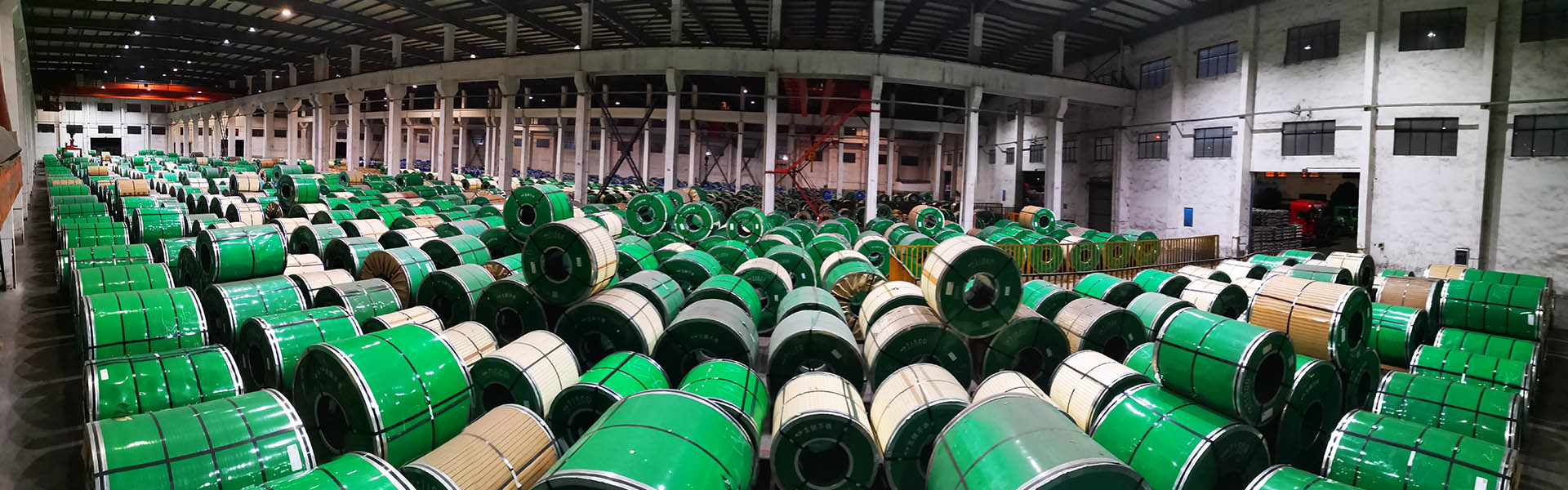

304 stainless steel is a common material in the stainless steel category, with a density of 7.93 g/cm³, also known as 18/8 stainless steel in the industry. It boasts high-temperature resistance up to 800°C, excellent workability, and high toughness, making it widely used in industrial, furniture decoration, and food industries.
Common marking methods in the market include 06Cr19Ni10 and SUS304, where 06Cr19Ni10 generally indicates production according to the Chinese standard, 304 typically denotes production according to the ASTM standard, and SUS304 signifies production according to the Japanese standard.
304 is a versatile stainless steel widely used for equipment and components requiring excellent overall properties (corrosion resistance and formability). To maintain the inherent corrosion resistance of stainless steel, the steel must contain over 18% chromium and over 8% nickel. 304 stainless steel is a grade of stainless steel produced in accordance with the American ASTM standards.
304 Stainless Steel is a widely used type of chrome-nickel stainless steel known for its excellent corrosion resistance, heat resistance, low-temperature strength, and mechanical properties. It has good hot forming and bending properties without hardening after heat treatment (operating temperature range: -196℃ to 800℃). It resists corrosion in atmospheric conditions, but requires regular cleaning in industrial atmospheres or heavily polluted areas to prevent corrosion. It is suitable for food processing, storage, and transportation, and boasts good workability and weldability. Applications include plate heat exchangers, bellows, household items (class 1 and 2 tableware, cabinets, indoor piping, water heaters, boilers, bathtubs), automotive parts (windshield wipers, mufflers, molded products), construction materials, chemicals, food industry, agriculture, ship components, and more. 304 Stainless Steel is recognized as a food-grade stainless steel by the national standards.
Most applications require long-term maintenance of the building's original appearance. When determining the type of stainless steel to use, the primary considerations are the required aesthetic standards, the corrosiveness of the local atmosphere, and the cleaning system to be employed. However, for other applications, there is an increasing trend towards seeking structural integrity or impermeability, such as in the roofs and side walls of industrial buildings. In these cases, the construction costs for the owners may be more important than aesthetics, and a less clean surface is acceptable. Using 304 stainless steel in dry indoor environments is quite effective. However, to maintain its appearance outdoors in both rural and urban areas, regular cleaning is necessary. In heavily polluted industrial zones and coastal regions, the surface can become very dirty, even leading to rust.
To achieve aesthetic effects in outdoor environments, nickel-containing stainless steel is required. Therefore, 304 stainless steel is widely used for curtain walls, side walls, roofs, and other architectural applications. However, in highly corrosive industrial or marine atmospheres, 316 stainless steel is recommended. The superiority of using stainless steel in structural applications is well-recognized with stainless steel pull doors. Several design criteria include both 304 and 316 stainless steels. Since "duplex" stainless steel 2205 combines excellent atmospheric corrosion resistance with high tensile and yield strength, it is also included in European standards. In terms of product shapes, stainless steel is produced in full standard metal shapes and sizes, and there are also many special shapes. Common products are made from sheets and strip steel, as well as medium and heavy plates for special products, such as hot-rolled structural shapes and extruded structural shapes. Additionally, there are round, elliptical, square, rectangular, and hexagonal welded or seamless tubes, as well as other forms of products, including sections, bars, wires, and castings.
