

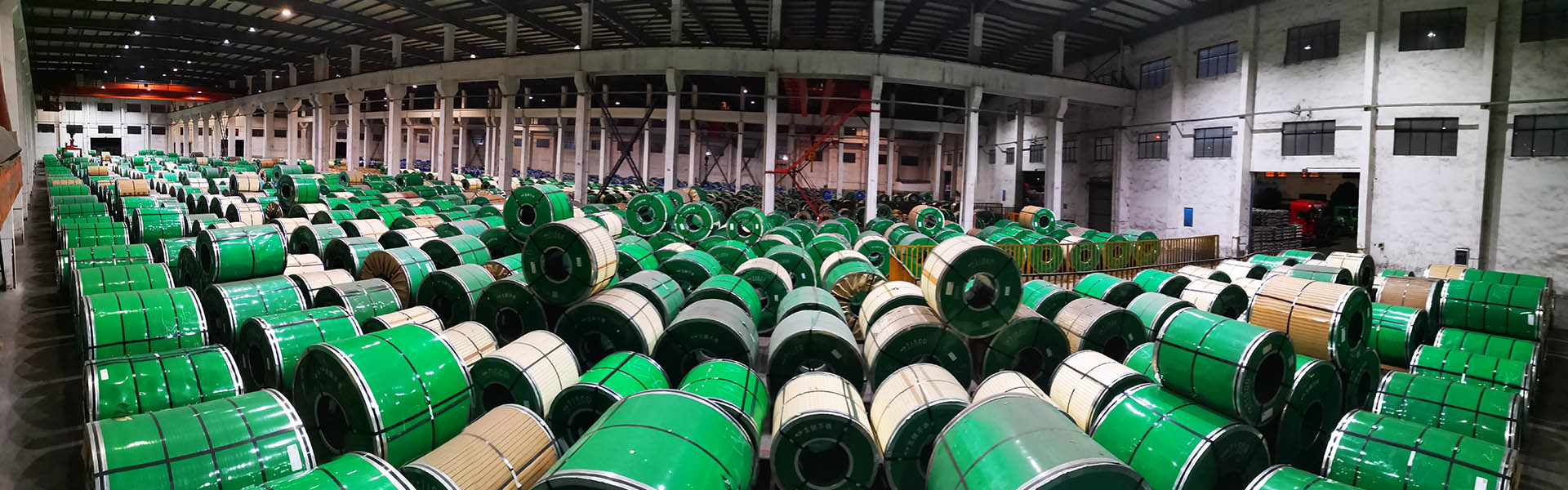

Stainless steel boasts excellent corrosion resistance, making it both durable and easy to clean, which is why many households opt for stainless steel tableware and cooking utensils. However, there are many considerations when selecting, using, and caring for stainless steel products. Today, the editor at Yu Bao Metal takes you through an overview.
When selecting stainless steel products, it is recommended to choose 304 steel. 304 steel, which refers to stainless steel with 18% chromium and 8% nickel content, is widely used in corrosion-resistant containers, tableware, furniture, railings, and more. When purchasing stainless steel products, pay close attention to the type markings. Stainless steel tableware often features three codes: "13-0" (420 steel), "18-0" (430 steel), and "18-8" (304 steel), where the number before the hyphen indicates the chromium content, and the number after represents the nickel content. The safety of stainless steel utensils primarily concerns the migration of heavy metals. Generally, the 304 steel commonly found on the market today has a lower migration of chromium.
To use stainless steel products healthily, please note the following points:
Dishes containing salt and acidic ingredients should not be stored in stainless steel containers for extended periods. While stainless steel is highly stable and corrosion-resistant, it does not mean it is immune to corrosion or rust. If salt, vinegar, and similar substances are stored in stainless steel products over time, it can lead to rusting on the surface or the appearance of "sand eyes." Therefore, it is not recommended to use stainless steel containers for storing such items at home.
Do not use stainless steel utensils for boiling traditional Chinese herbs. The components of traditional Chinese herbs are complex, often containing various alkaloids and organic acids. When heated, they can easily undergo chemical reactions with certain components of stainless steel, reducing the efficacy of the medicine and potentially forming substances with higher toxicity.
Do not burn stainless steel products idly. Stainless steel products have a lower thermal conductivity than iron and aluminum, leading to slower heat transfer. Idle burning can cause the chrome plating on the cooking utensils to age and peel off.
What should be noted when cleaning stainless steel products? Stainless steel products have certain corrosion resistance, but regardless, they can still harbor bacteria after long storage, and they should be disinfected at regular intervals. When cleaning stainless steel products, avoid using strong alkalis and strong oxidizing agents, such as alkali water, baking soda, and bleaching powder, as these strong electrolytes can react chemically with certain components of the products, thereby corroding the stainless steel and leaching harmful elements.
