

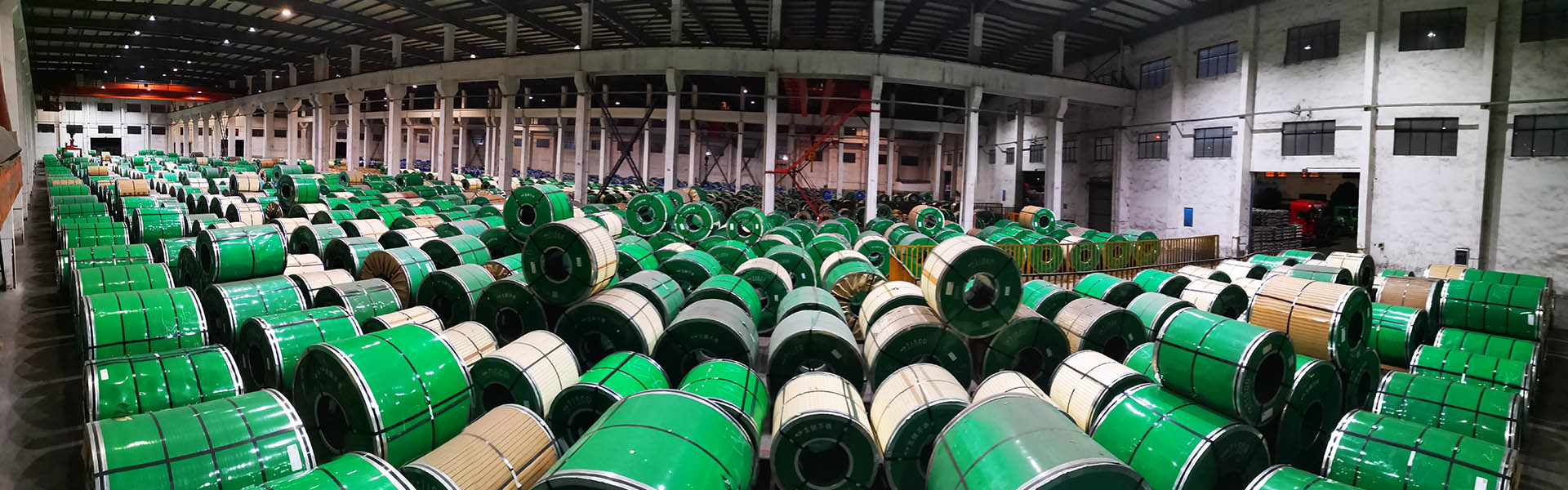

Stainless steel, a shorthand for stainless acid-resistant steel, refers to steel grades that resist corrosion from air, steam, water, and other mild corrosive mediums, or those with inherent rust resistance. Conversely, steel that resists corrosion from chemical agents such as acids, alkalis, salts, and other chemical侵蚀 is termed acid-resistant steel.
About Standard Stainless Steel Tubes: High-Temperature Resistance, Special Alloys, Tube Grades, and Applications
Precision alloy stainless steel tube refers to a type of metal material with special physical properties, which is the mainstay of metal functional materials.
Precision alloy stainless steel tubes come in a wide variety. The following six types are common and have been standardized. Additionally, there are numerous other precision alloy stainless steel tubes in production and use, such as amorphous alloy stainless steel tubes, hydrogen storage alloy stainless steel tubes, shape-memory alloy stainless steel tubes, damping vibration alloy stainless steel tubes, and magnetic recording alloy stainless steel, among hundreds of other alloy grades.
Soft Magnetic Alloys Stainless Steel Tubes — These refer to ferromagnetic materials with coercivity below a few hundred A/m, characterized by high magnetic induction and permeability, as well as low coercivity. According to material properties, soft magnetic alloys stainless steel tubes are categorized into: High Saturation Magnetic Induction Stainless Steel Tubes, High Initial Permeability Stainless Steel Tubes, High Permeability with Higher Saturation Magnetic Induction Stainless Steel Tubes, High Hardness, High Resistivity, High Permeability Stainless Steel Tubes, Mu-Metal Stainless Steel Tubes, Constant Permeability Stainless Steel Tubes, Stable Compensation Stainless Steel Tubes, and Magnetostrictive Stainless Steel Tubes.
Permanent Magnet Stainless Steel Tube — Refers to ferromagnetic materials with coercivity greater than 104 A/m, which serve to provide a certain intensity of magnetic field within the magnetic circuit gap. According to material characteristics, they are categorized into cast AINiCo, deformed permanent magnet, rare earth permanent magnet, and semi-hard magnetic alloys.
Elastic Alloy Stainless Steel Tubing — refers to materials with special elasticity. According to material characteristics, it is divided into high-elasticity and constant-elasticity alloy stainless steel tubing.
Expanding Alloy Stainless Steel Tubes — These are materials with special thermal expansion properties, categorized into low-expansion, fixed-expansion, and high-expansion alloy stainless steel tubes based on their expansion coefficients.
Thermal bimetallic stainless steel tube refers to a composite material made by firmly bonding two or more layers of metals or alloys with different expansion coefficients along the entire contact surface. According to the material and performance requirements of the component layers, thermal bimetallic alloy stainless steel tubes are categorized into ordinary type, high-sensitivity type, high-temperature type, low-resistance type, corrosion-resistant and low-temperature type, etc.
Resistor alloy stainless steel tube — refers to an alloy with special photoelectric properties. It is divided into various types of alloy stainless steel tubes according to their usage performance, such as precision resistor, strain resistor, and electric heating types.
